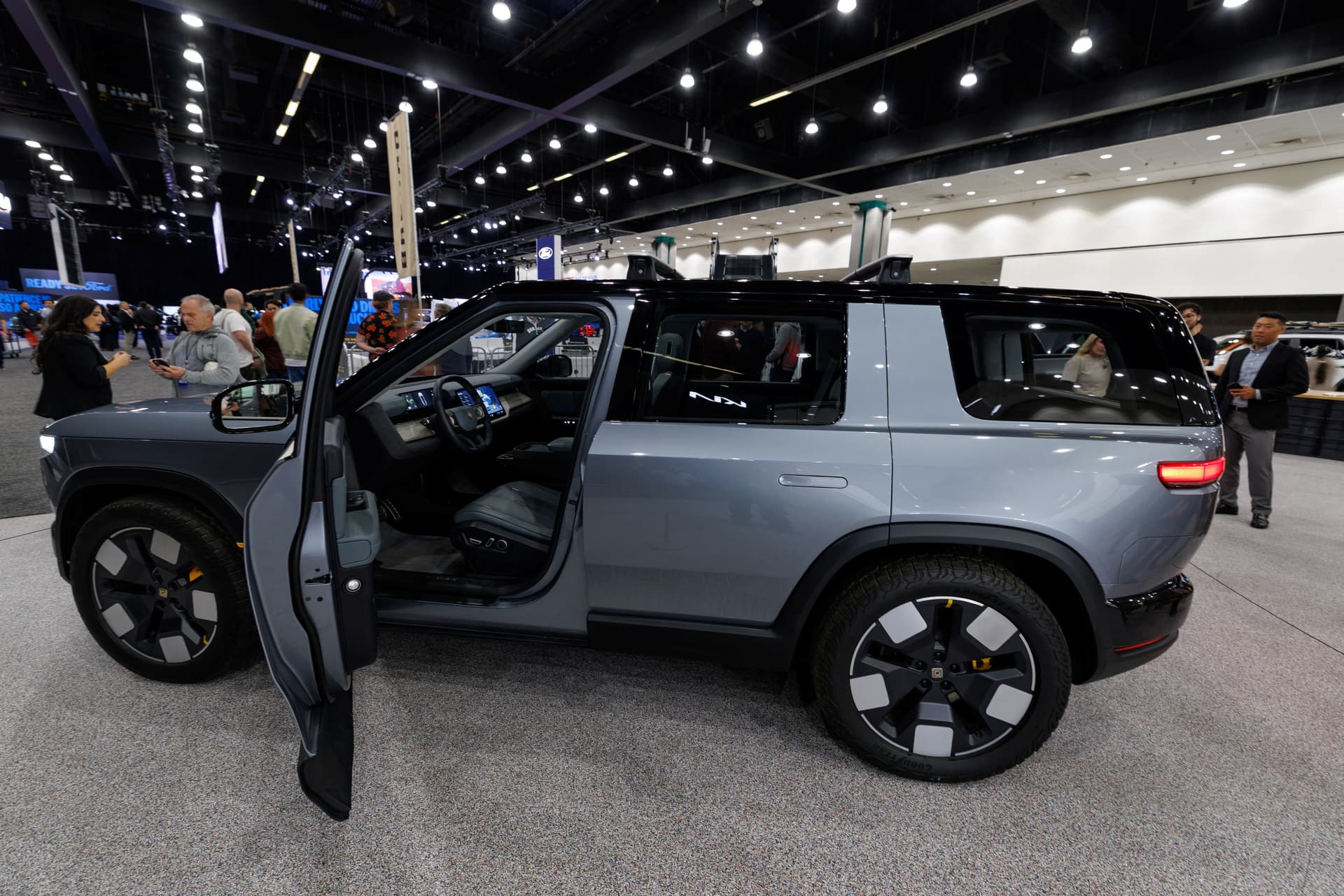
Ford plans seven new European models, hints at Fiesta revival
Ford promised seven European models by 2029, including a small electric hatchback, reviving speculation that the Fiesta badge could return after a 2023 shutdown.
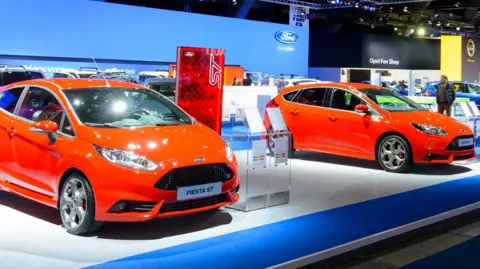
Ford is betting that a smaller, cheaper electric car can help reset its European business, and the Fiesta name may be part of that gamble. The company said it will launch seven new models in Europe by 2029, with five passenger cars and two commercial vehicles, as it tries to revive weak car sales and hold its ground against fast-moving Chinese rivals.
The lineup sits under a new Ready-Set-Ford strategy unveiled in Salzburg, Austria. Ford said the passenger-car side will include a small electric car, a small electric SUV and other multi-energy vehicles, signaling that the company wants flexibility across battery-electric, hybrid and other powertrains rather than a single bet on pure EVs. Jim Baumbick, Ford’s president in Europe, said Ford Pro remains the backbone of the business and that the company wants to grow market share.
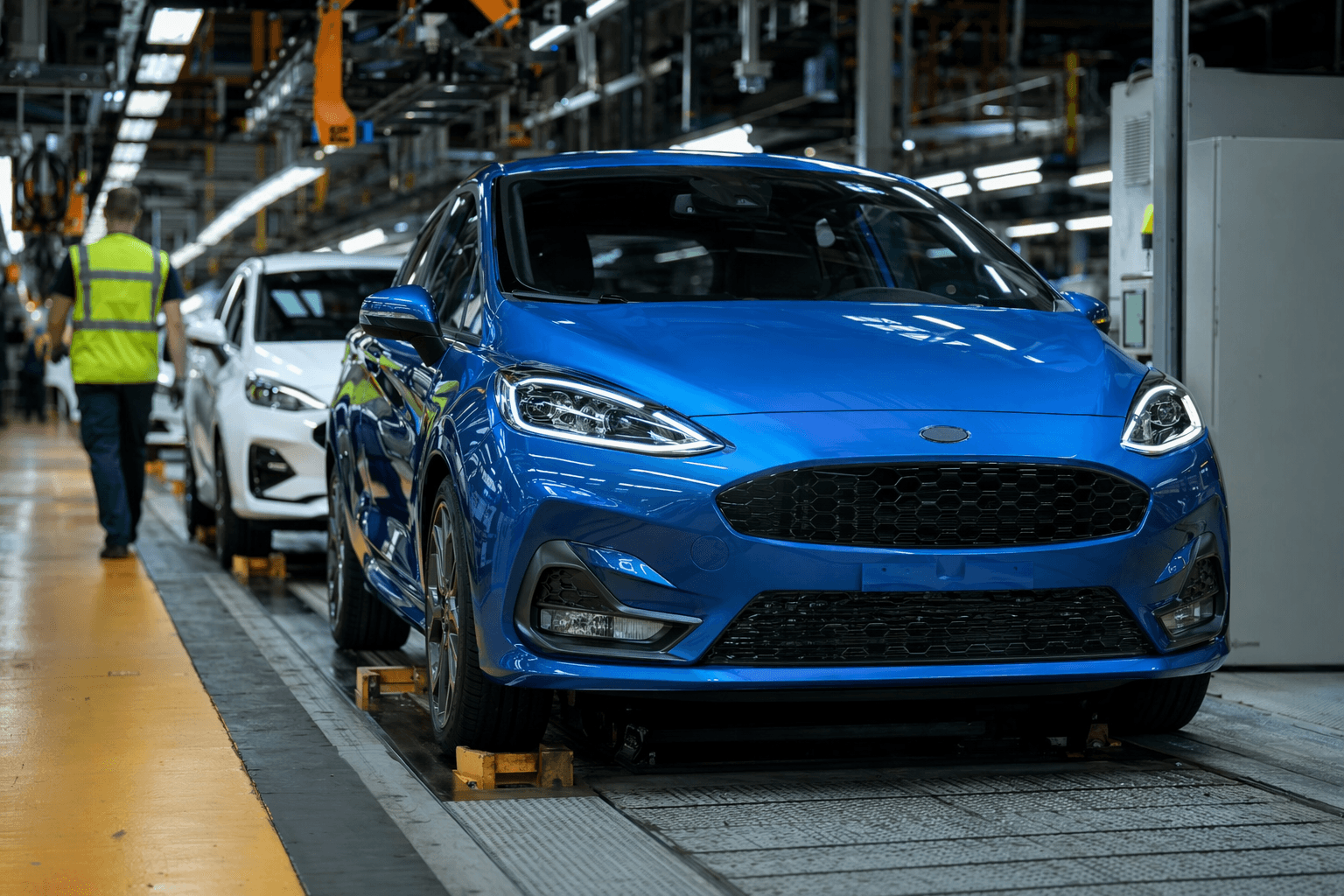
The sharpest intrigue surrounds the Fiesta. Baumbick told the BBC he would have “news to share in the future” about the Fiesta brand, a remark that set off speculation that Ford could bring back one of its best-known small-car names on an electric model. That possibility carries real weight in Europe, where price-sensitive buyers still make or break the market for compact cars, and where emotional familiarity can matter as much as battery range or software features.
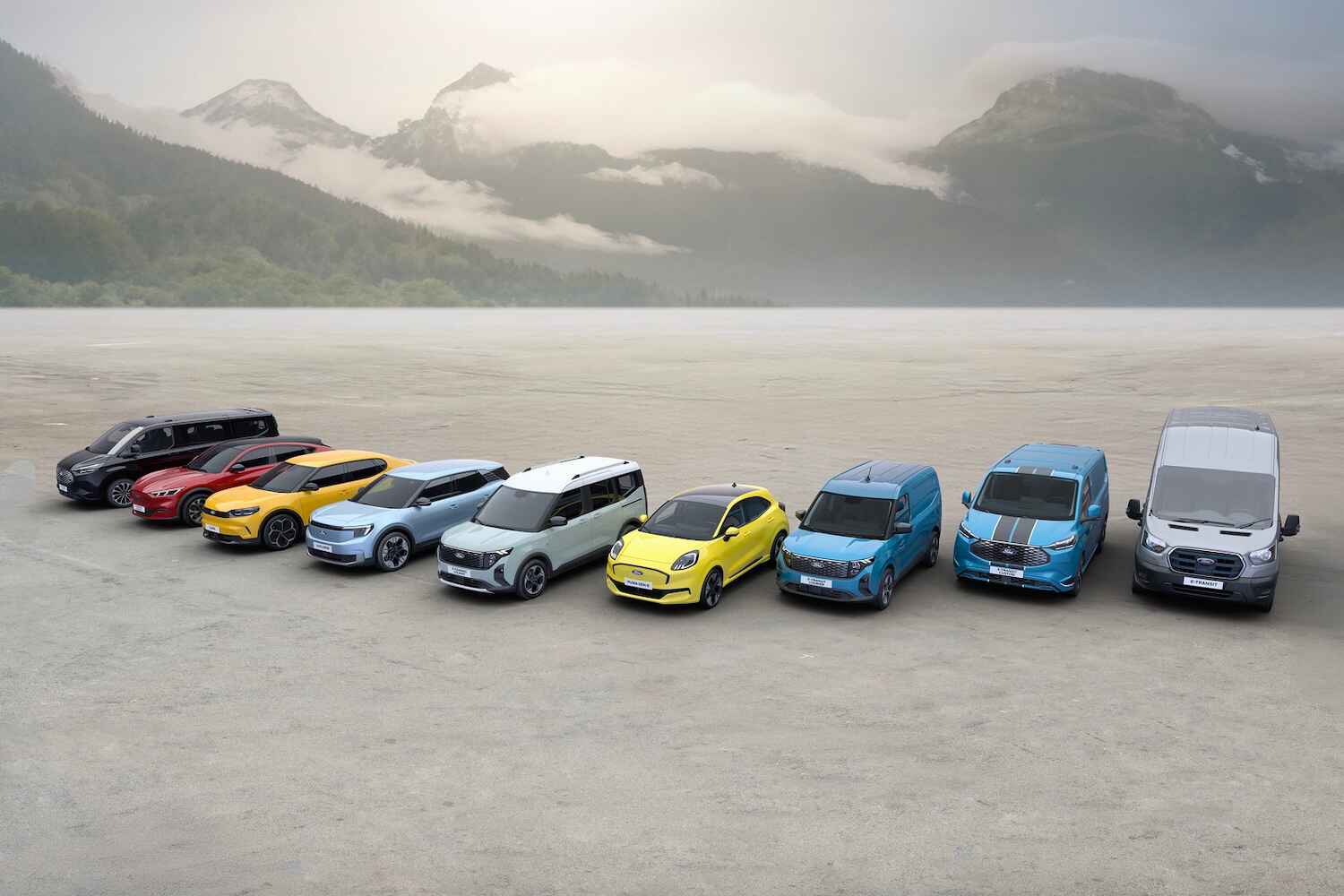
The Fiesta ended production in 2023 at Ford’s Cologne, Germany, plant after 47 years, closing a run that made it one of the company’s defining global nameplates. The car sold about 4.8 million units in the United Kingdom and roughly 20 million worldwide, a scale that helps explain why its disappearance left a gap in Ford’s European lineup. Industry figures cited in 2024 showed Ford’s Europe sales and market share weakening after the Fiesta’s departure, underscoring how much the company ceded in the small-car segment.
That is why the possible revival matters beyond nostalgia. A Fiesta-branded EV would be a test of whether a legacy automaker can make electric cars affordable and emotionally familiar enough for mass-market drivers, not just premium buyers. If Ford uses the badge to anchor a genuinely accessible small EV, it could strengthen its European turnaround. If the name returns without a convincing price and product proposition, the strategy risks looking more like branding than a serious answer to Europe’s EV transition.
This article was produced by Prism’s automated news system from verified source data, official records, and press releases, then run through automated quality and moderation checks before publishing. The system is built and supervised by the people who set the standards it runs under. Read our full AI policy.
Did this article answer your question?
%3Amax_bytes(150000)%3Astrip_icc()%2FCertificate-of-deposit-2301f2164ceb4e91b100cb92aa6f868a.jpg&w=1920&q=75)