Ford recalls 179,698 Bronco and Ranger vehicles over seat bolts
Ford recalled 179,698 Broncos and Rangers after seat bolts were found to loosen, a flaw that could let a front seat fail to restrain a driver or passenger in a crash.
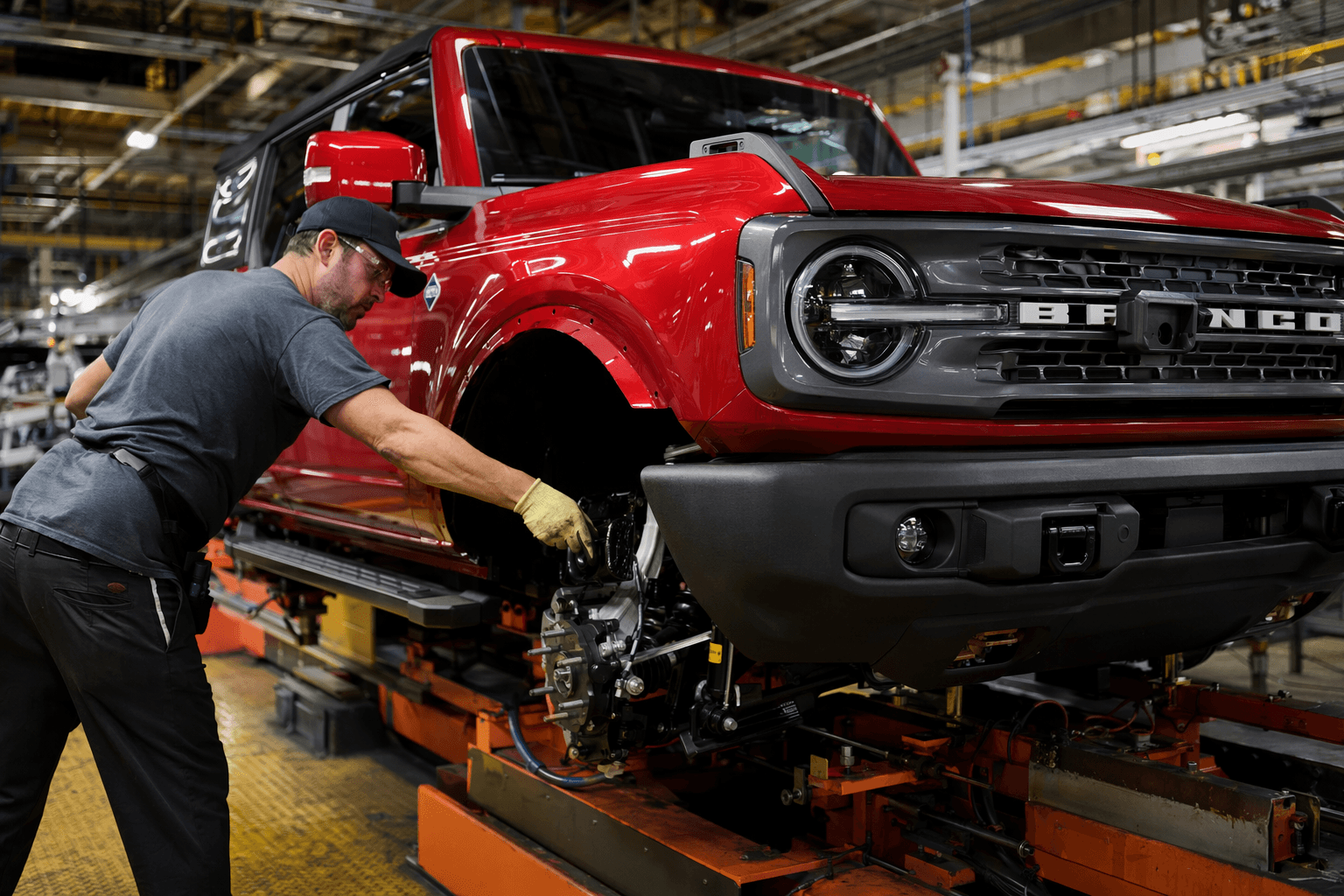
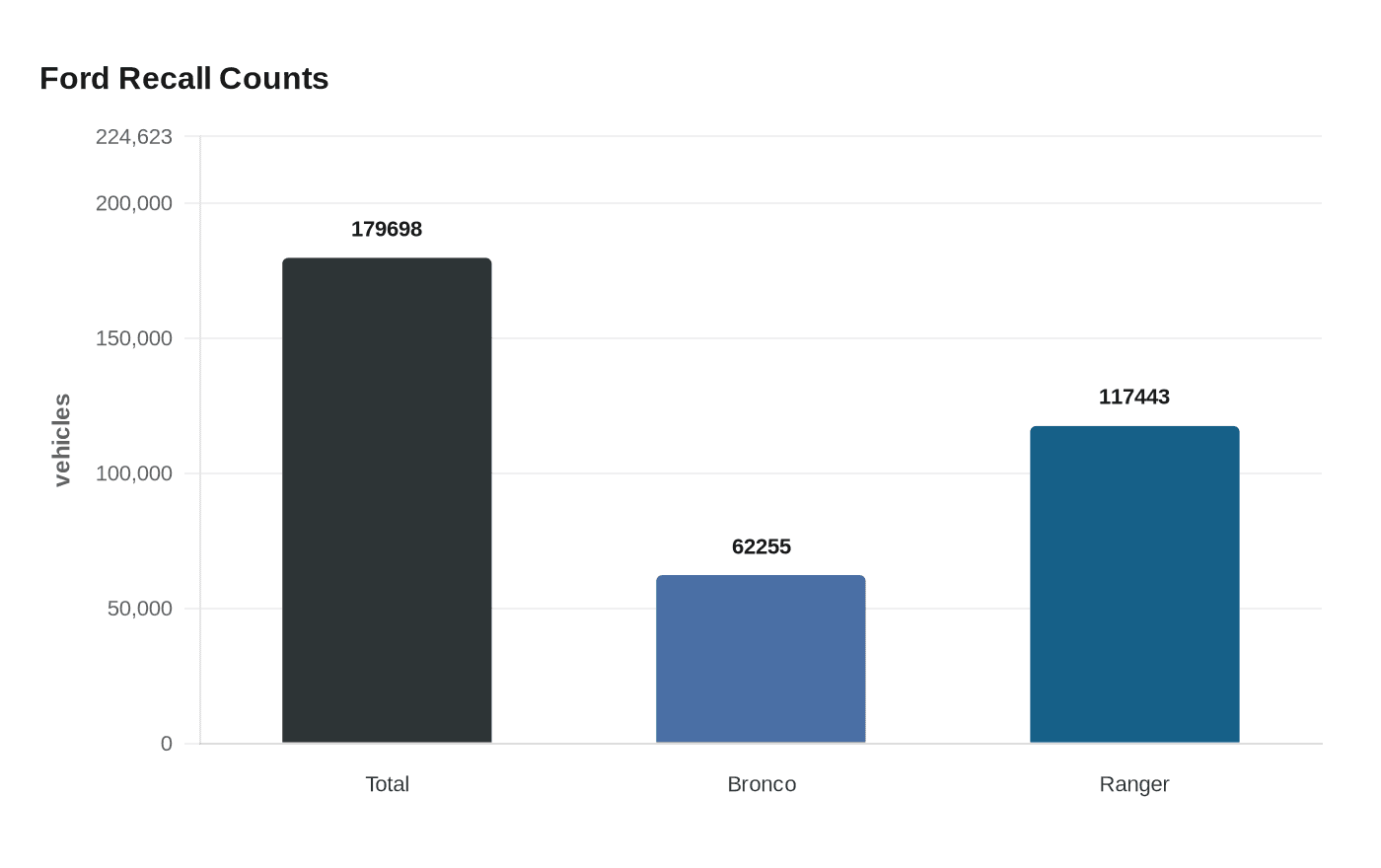
Ford Motor recalled 179,698 Bronco SUVs and Ranger pickup trucks in the United States after regulators said a front seat frame bolt could loosen and eventually dislodge, raising the risk of injury in a crash. The National Highway Traffic Safety Administration said the defect covered 62,255 Broncos and 117,443 Rangers from the 2024 through 2026 model years.
The safety problem centered on the front seat frame height-adjustment pivot bolts. If one of those bolts comes out of the pivot joint, the seat may not properly restrain an occupant during a collision. That turns what might first show up as a squeak or rattle into a more serious crashworthiness issue, because a loose seat can shift under force when the restraint system is supposed to hold the body in place.
NHTSA’s recall report said the issue traced back to a supplier process involving the seat structure assembly. Torque checks were performed on the bolts before the thread adhesive patch had fully cured, a sequence that could disrupt the adhesive and weaken the bolt’s retention over time. The supplier was identified as Magna Seating in the recall materials. Regulators described the recall under number 26V268.
Ford said dealers will inspect and replace the pivot links and bolts as necessary at no cost to owners. The company also said owners could use their vehicle identification number to check whether their Bronco or Ranger was included. NHTSA said the same information was available through its recall database.
The timing leaves many owners facing a wait before the repair is completed. Interim owner notifications were expected by May 15, 2026, with follow-up remedy notices not due until July 17, 2026. That means some drivers may learn their vehicle is affected weeks before they receive the final repair instructions, even though the underlying defect carries a direct safety risk.
Ford’s latest recall adds to broader scrutiny of how quickly vehicle safety problems are identified, contained and corrected when they originate in the supply chain. In this case, the concern is not cosmetic trim or comfort hardware but a seat component tied directly to occupant restraint in a crash. For a company that sells ruggedness and durability as part of the Bronco and Ranger brand promise, a loose seat bolt is the kind of defect that can damage trust long before it is fixed.
This article was produced by Prism’s automated news system from verified source data, official records, and press releases, then run through automated quality and moderation checks before publishing. The system is built and supervised by the people who set the standards it runs under. Read our full AI policy.
Did this article answer your question?

