Former Hondius passengers praise wildlife expedition design and crew safety standards
Former passengers saw a polished expedition ship with seasoned crew, but the Hondius outbreak has put its medical response and detection systems under scrutiny.
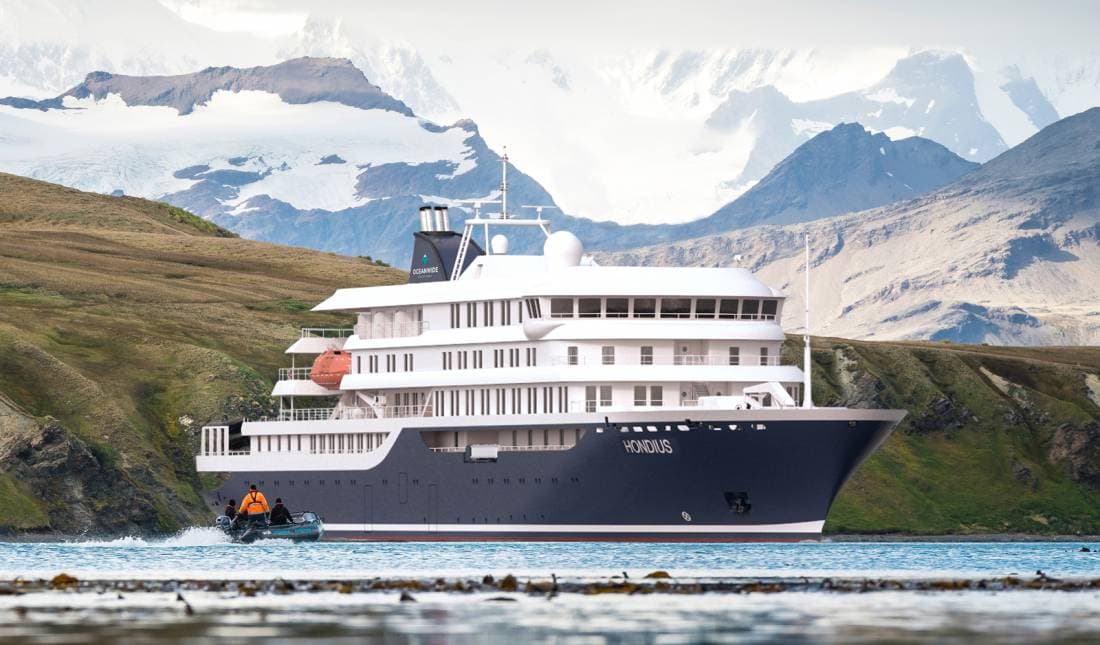
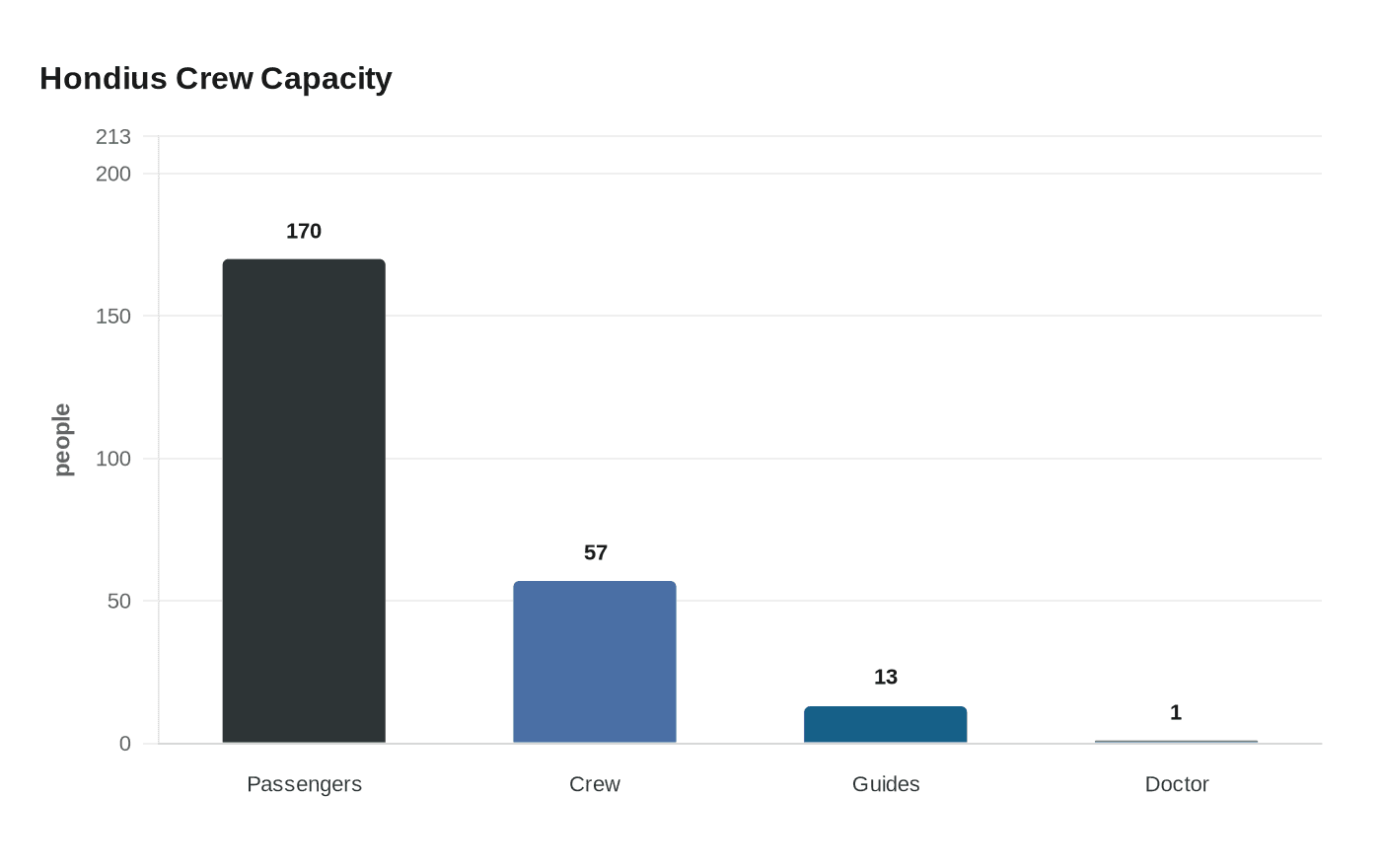
Hondius was built to bring passengers close to wildlife, not to sit under public-health scrutiny. The ship is marketed as a Polar Class 6 vessel built from the ground up for expedition cruising, with a listed capacity of 170 passengers, 57 crew, 13 guides and a doctor, along with open decks and an open bridge that former travelers said made the operation feel tightly run and outward-looking. That reputation now collides with a hantavirus cluster that has left three passengers dead and forced an international response centered on evacuation, isolation and screening.
Among the clearest signs of Hondius’s appeal are the accounts of former passengers Samuel Gantenbein and Valérie, who had first sailed with the company on Plancius in 2017 and later traveled to Croatia to see Hondius while it was still under construction. In their account, the strength of the voyage was not luxury but discipline: the captain and guide team adapted the route when ice conditions made the original itinerary impossible, and they credited the crew’s experience for keeping the trip productive and safe. That is the standard now being tested against a medical crisis, not an expedition challenge.
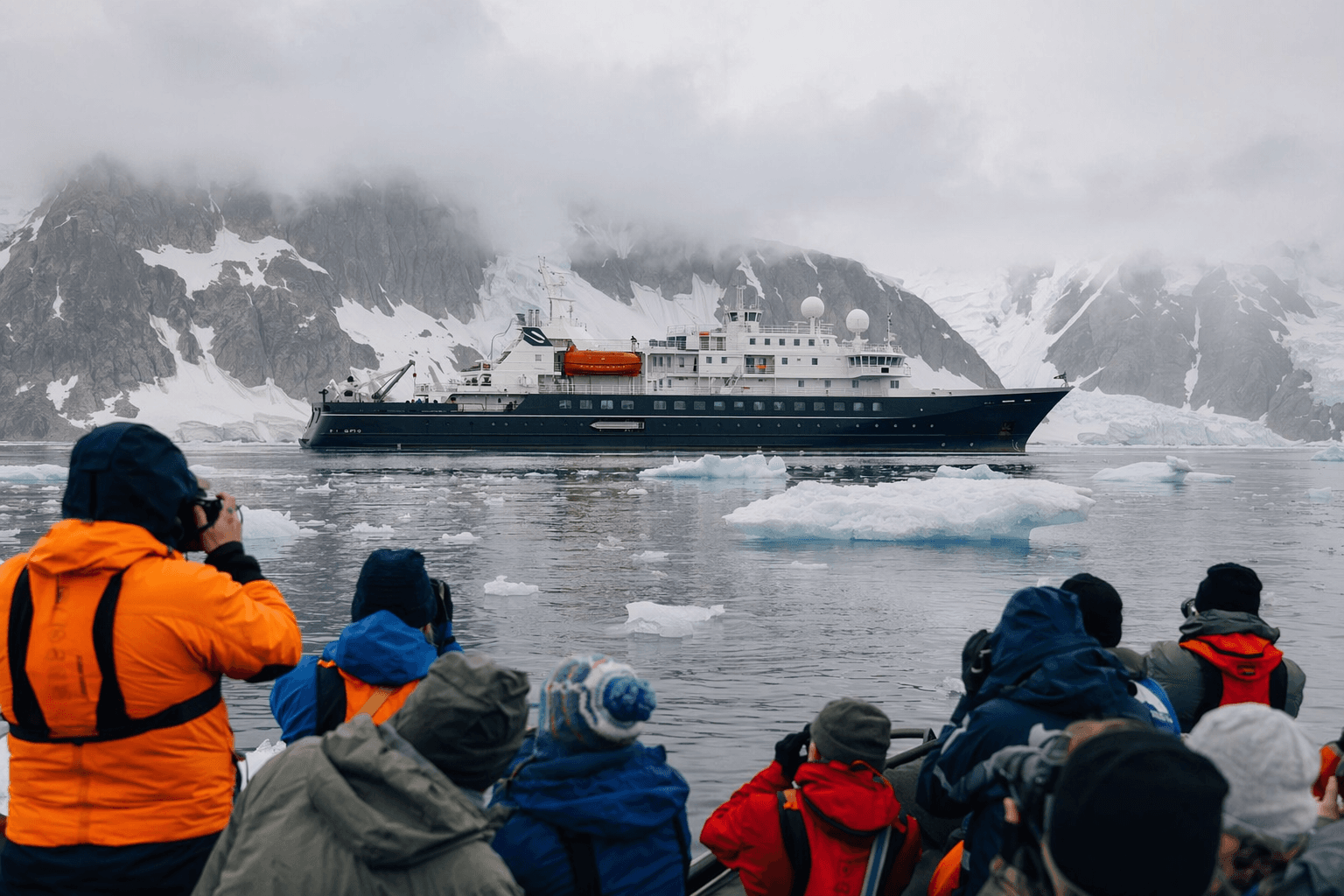
The health emergency unfolded after the ship departed Ushuaia, Argentina, on April 1 and crossed the South Atlantic on an itinerary that included Antarctica, South Georgia, Nightingale Island, Tristan da Cunha, Saint Helena and Ascension Island. The World Health Organization said that by May 4, seven cases had been identified, including three deaths, one critically ill patient and three people with mild symptoms; by May 7, WHO said eight cases had been reported, five confirmed as hantavirus and three suspected. The illness onset window ran from April 6 to April 28 and included fever, gastrointestinal symptoms, pneumonia, acute respiratory distress syndrome and shock. WHO also said the vessel carried 147 people from 23 nationalities and was moored off Cabo Verde.
What still matters for investigators is not the ship’s expedition pedigree but the chain of decisions around the outbreak. Oceanwide Expeditions said investigations into the cause and any possible links between cases were ongoing, while also saying the first infected person probably contracted the virus before boarding. WHO said the extent of passenger contact with wildlife during the voyage, or before boarding in Ushuaia, remained undetermined. By May 8, Oceanwide said no symptomatic individuals remained on board, three people had been transferred to the Netherlands by medicalized aircraft, and authorities were coordinating quarantine, screening and onward travel as the ship headed toward Tenerife. The unanswered question is how a vessel built for hard travel was overtaken by a disease event that now belongs to public-health regulators as much as to maritime operators.
This article was produced by Prism’s automated news system from verified source data, official records, and press releases, then run through automated quality and moderation checks before publishing. The system is built and supervised by the people who set the standards it runs under. Read our full AI policy.
Did this article answer your question?


