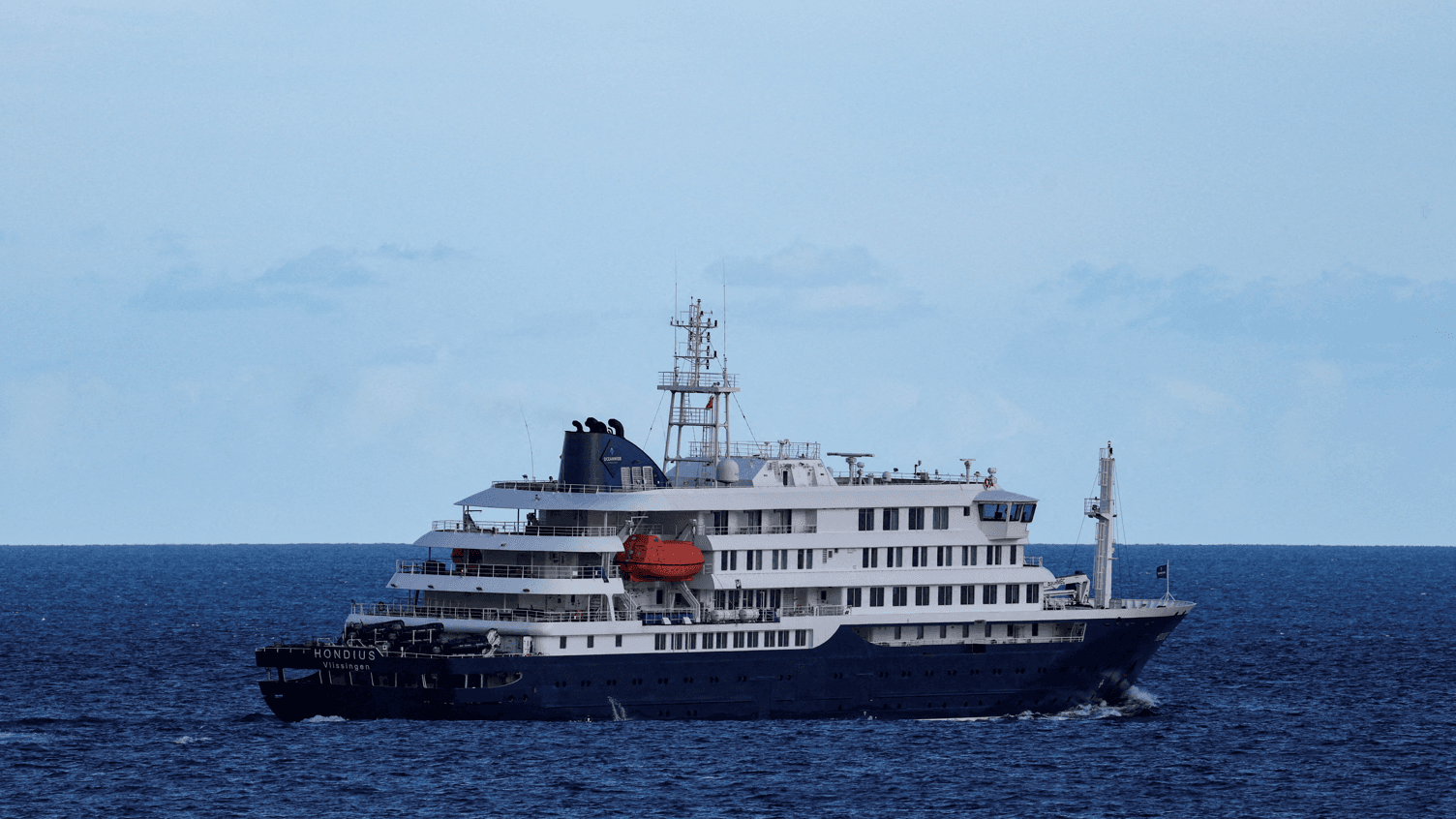
Spain faces health tensions as stranded cruise ship nears Tenerife docking
A stranded cruise ship carrying an 8-case hantavirus cluster has triggered a political clash in Tenerife, even as health agencies say the wider public risk remains low.
The MV Hondius was due to reach Tenerife with an active hantavirus cluster on board, turning a repatriation plan into a test of how far fear can outrun public-health evidence. The World Health Organization said eight cases were linked to the ship, including five confirmed and three suspected infections, and three people had died.
The dispute quickly moved beyond medicine and into Spanish politics. Fernando Clavijo, the president of the Canary Islands, opposed allowing the vessel to dock and asked for an urgent meeting with Prime Minister Pedro Sánchez. The regional government said it did not believe there was enough information to reassure the public or guarantee safety, while Spain’s health minister, Mónica García, said those still on board were not showing symptoms.
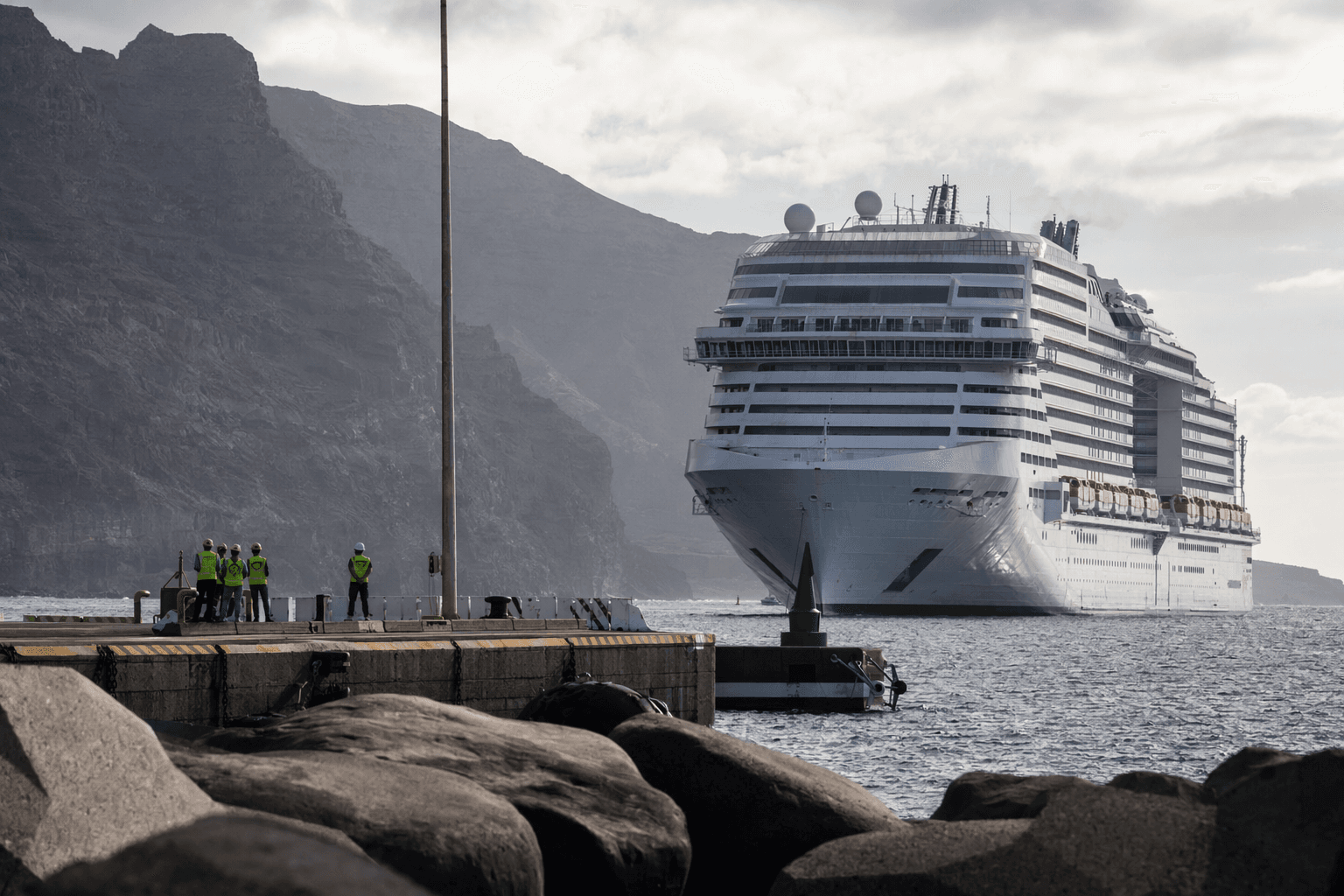
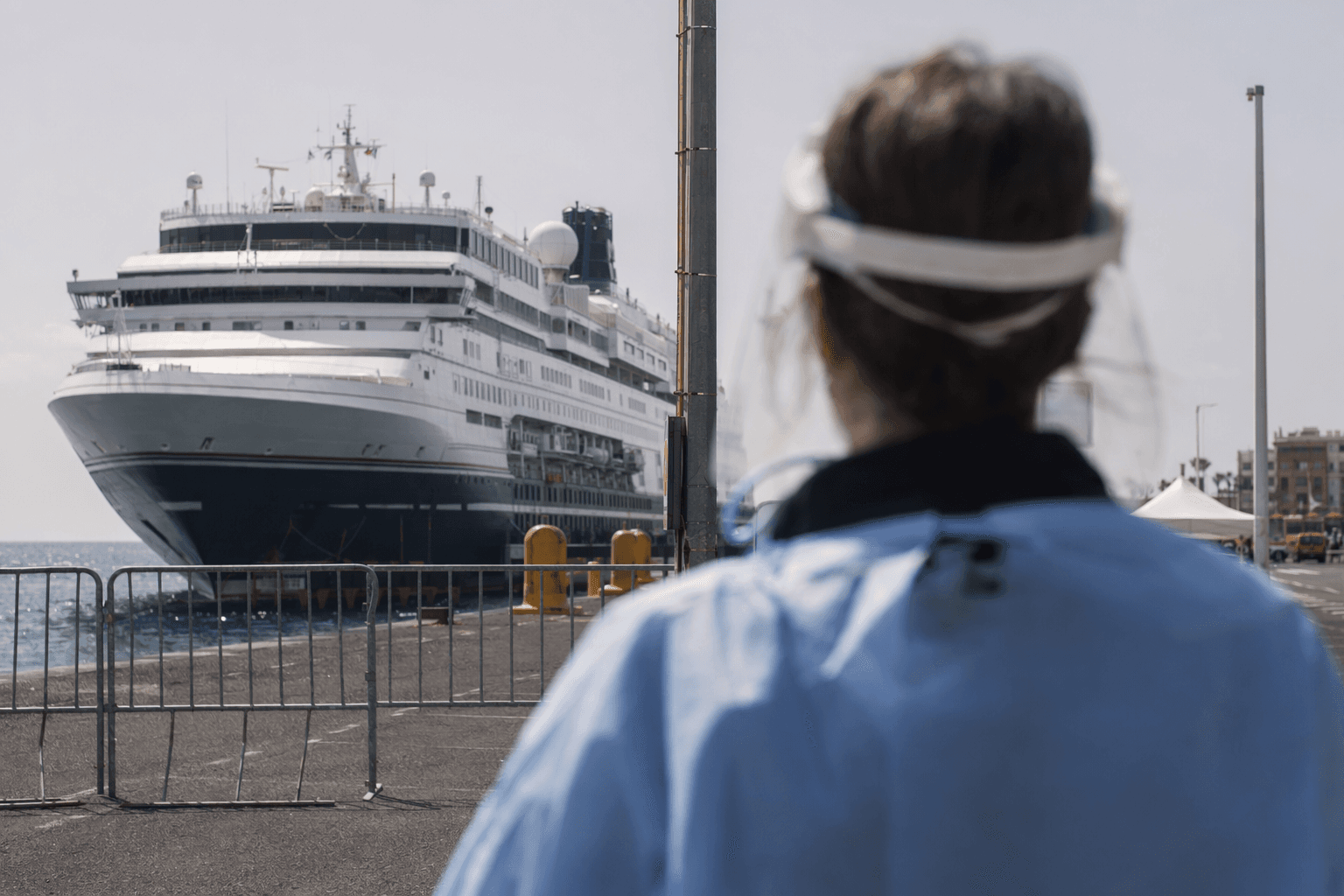
Health officials sought to contain the risk on arrival by moving passengers to a “completely isolated, cordoned-off area.” WHO said it was preparing operational guidance for safe disembarkation and onward travel, and the Centers for Disease Control and Prevention said the risk to the American public remained extremely low as it monitored the outbreak and shared guidance with affected U.S. passengers.
The tension reflects the unusual nature of the virus strain involved. Hantavirus is usually associated with rodents, but the Andes strain can spread between people in limited circumstances, which has made this outbreak more alarming than a typical isolated case. Separate reporting said the ship had roughly 140 to 150 people aboard and that passengers and crew were to be repatriated after arrival in Tenerife.
The voyage began in Ushuaia, Argentina, on April 1, 2026, and the crisis unfolded over weeks at sea and in port calls along the route. A passenger died on board on April 11, and a body was removed in Saint Helena on April 24, when his wife also disembarked and later died. Three passengers had already been evacuated earlier, and around 30 people were said to have disembarked in Saint Helena, where contact tracing began.
In the Canary Islands, the backlash carried echoes of the COVID-19 era, when many residents felt decisions were imposed from outside and uncertainty deepened local distrust. This time, the question is whether Tenerife is confronting a genuine transport-and-isolation problem, a misunderstood health threat, or a public reaction amplified by memories of being caught off guard before.
This article was produced by Prism’s automated news system from verified source data, official records, and press releases, then run through automated quality and moderation checks before publishing. The system is built and supervised by the people who set the standards it runs under. Read our full AI policy.
Did this article answer your question?