U.S. passengers from hantavirus cruise ship to enter Omaha quarantine center
U.S. citizens from a hantavirus-hit cruise ship will be watched in Omaha’s only federally funded quarantine unit as officials track exposure during the incubation window.

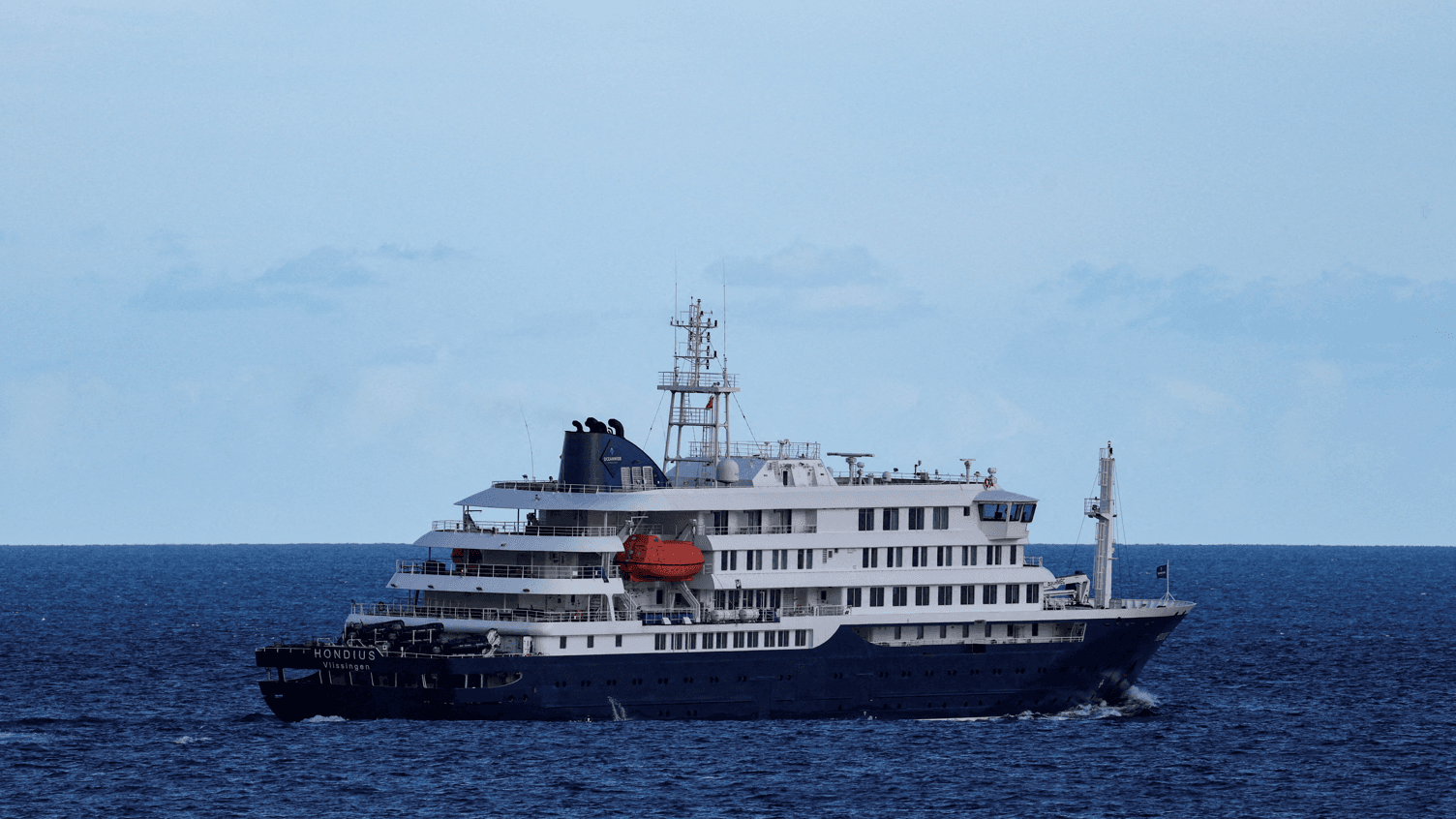
Nebraska Medicine and the University of Nebraska Medical Center said federal partners had asked them to receive and monitor U.S. citizens from the Dutch-flagged cruise ship MV Hondius in Omaha’s National Quarantine Unit, a 20-bed facility built for high-consequence infectious diseases.
The passengers will be observed on the UNMC campus while health teams watch for symptoms during the virus’s incubation period and work to eliminate any chance of spread. Nebraska Medicine said the people being monitored were well and had no symptoms when the announcement was made. If anyone becomes ill, they can be moved to the nearby Nebraska Biocontainment Unit, a dedicated high-level isolation facility that was built in 2005, drilled for nine years before activation, and previously handled Ebola patients in 2014 as well as U.S. citizens evacuated from Wuhan and the Diamond Princess cruise ship in 2020.
The World Health Organization said the outbreak aboard the Hondius was under international investigation. As of May 4, the ship was carrying 147 passengers and crew, and seven cases had been identified, including three deaths, one critically ill patient and three people with mild symptoms. By May 7, WHO said eight cases had been reported, including three deaths, and five had been confirmed as hantavirus. The strain involved was identified as Andes virus, the only hantavirus species known to allow limited human-to-human transmission, usually through close and prolonged contact.
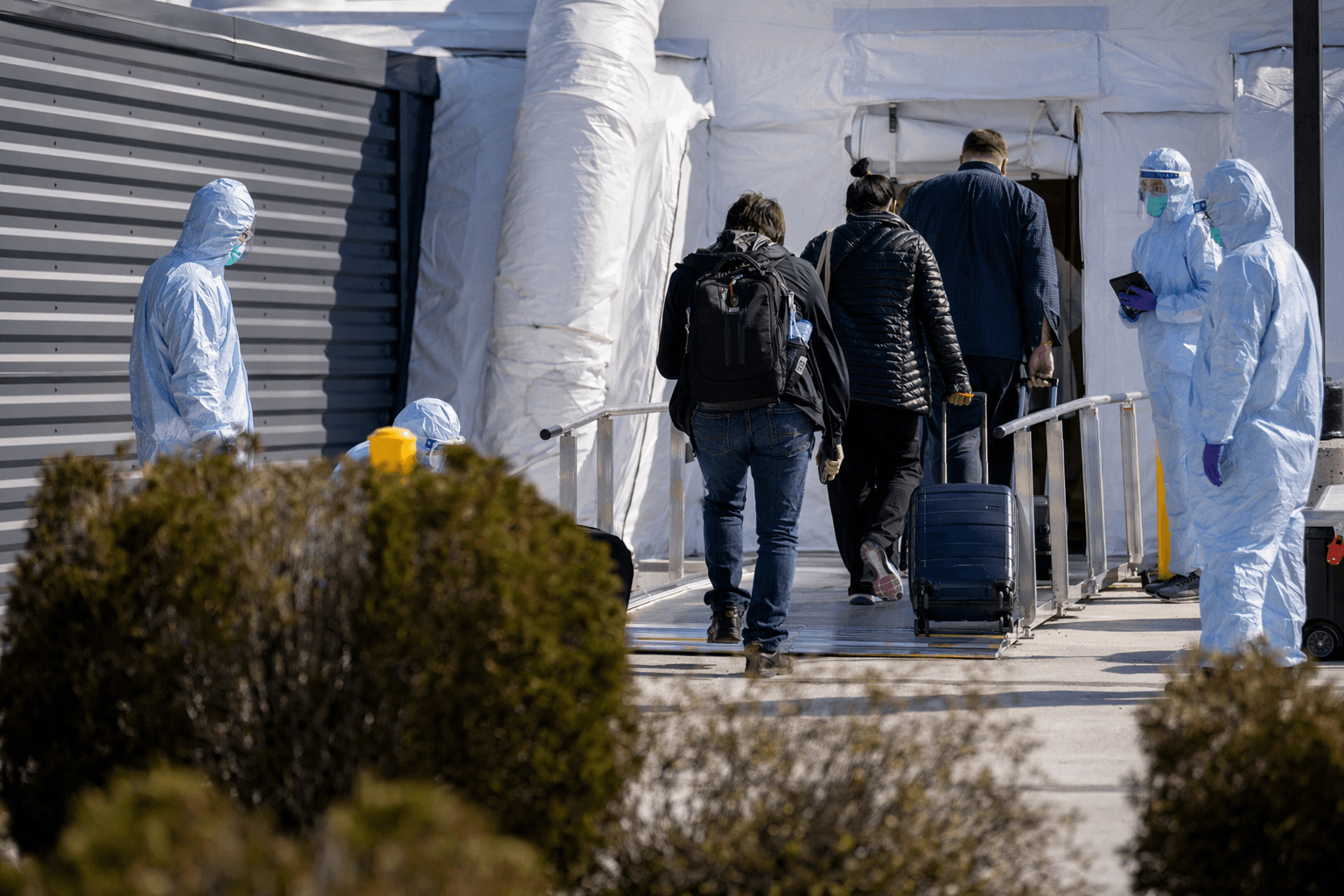
That risk profile helps explain why officials are using quarantine rather than simply clearing travelers. Hantaviruses are typically spread by contact with infected rodents or their droppings, but Andes virus has the added concern of rare person-to-person spread, so public health teams are treating the return of exposed passengers as a monitoring problem first and a hospital problem only if symptoms emerge. WHO said the global public health risk from the event is low, even as it coordinates the response internationally.
WHO also said it had deployed an expert on board the ship, shipped 2,500 diagnostic kits to laboratories in five countries and was preparing guidance for the safe disembarkation and onward travel of passengers and crew. Nebraska Medicine leaders said the request reflected a long-running partnership with federal agencies, including the Douglas County Health Department, the Nebraska Department of Health and Human Services and other federal health partners, built for exactly this kind of isolation-and-observation response.
This article was produced by Prism’s automated news system from verified source data, official records, and press releases, then run through automated quality and moderation checks before publishing. The system is built and supervised by the people who set the standards it runs under. Read our full AI policy.
Did this article answer your question?