Formula 1 dream costs young drivers millions before a seat appears
A Formula 2 seat can vanish as quickly as a sponsor payment, and Zak O’Sullivan’s exit shows how money can outrun merit long before Formula 1.
The price of reaching Formula 1
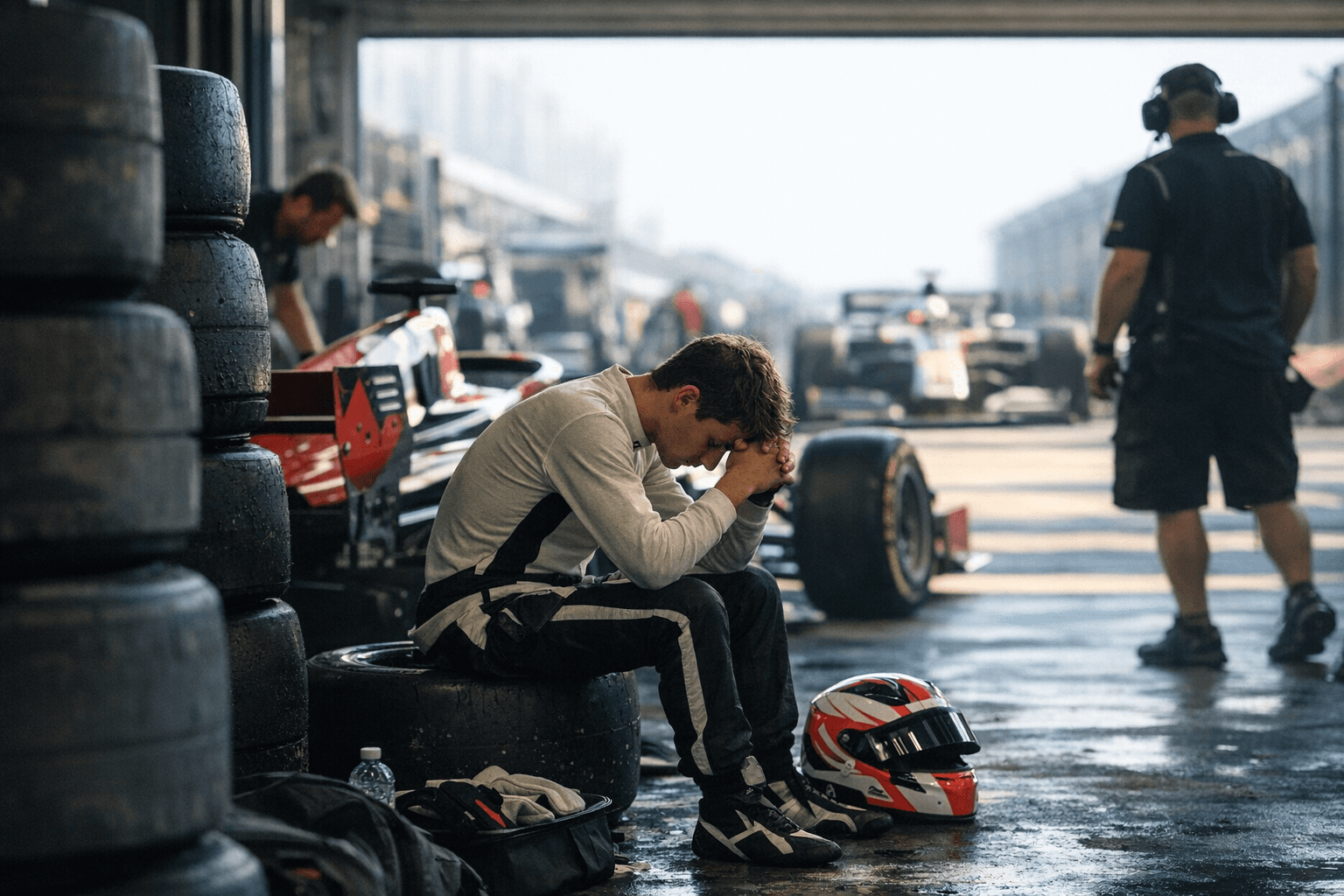
Zak O’Sullivan’s path was supposed to be a proof of talent. Instead, his 2024 Formula 2 season became a reminder that even sharp pace can be overtaken by a funding shortfall, with the young Briton forced out before the campaign finished despite winning in Monaco and at Spa-Francorchamps. He has said the sport is only getting “more expensive” for young drivers, and his exit exposed how quickly the dream of Formula 1 can turn into a balance-sheet problem.
Formula 2 sits at the point where the financial pressure becomes impossible to ignore. It is officially sold as “The Road to F1,” and it is the final step on the FIA Global Pathway driver development ladder. The category was introduced in 2017 after GP2 was rebranded, and its 2025 regulations limit the championship to 13 competitors with two cars each, while setting an annual entry fee of €60,000 per competitor. That fee is only the visible price tag; the real burden is layered on top of karting, junior formulae, travel, testing, crash damage, and the need to keep a team and sponsor network aligned long enough for results to matter.
A ladder built for the few
O’Sullivan’s case lands so hard because the numbers on his résumé already looked strong enough to justify a full season. According to reporting by The Race, he was runner-up in the 2020 British F4 Championship, won the 2021 GB3 Championship, and finished runner-up in the 2023 Formula 3 Championship to Gabriel Bortoleto, who later became a Formula 1 driver. That is the profile of a racer who kept climbing, yet even that record did not protect him from leaving Formula 2 early.
The detail that matters is not just that he lost a seat, but that he did so while still mathematically in title contention. He was racing for ART Grand Prix, had already beaten the field in two major events, and still had to step away before the final three rounds of the season. The message for the wider sport is blunt: in a system this expensive, performance can open the door, but it does not always keep it open.
When family backing becomes part of the racing budget
The financial strain is not unique to O’Sullivan. George Russell has spoken publicly about what junior motorsport can demand from a family, saying his father invested about £1 million over 12 years in his racing career. Later reporting said Russell repaid his parents about £1.5 million, a striking figure that shows how even a future Formula 1 winner can require years of private backing before the first major return arrives.
That is the hidden class filter in junior racing. The sport often rewards those who can stay in the pipeline long enough to be noticed, which means wealthy families, commercial sponsors, and well-connected junior programs can become as decisive as lap time. For drivers without that cushion, the ladder narrows fast, and every extra season can mean another round of fundraising rather than another round of racing.
Why the top level does not solve the access problem
Formula 1 has moved to control costs at its own level, with the FIA’s 2026 financial regulations defining a cost cap for teams. That matters, because it shows even the pinnacle of the sport now treats spending as something to be managed rather than celebrated. But a cost cap at the top does little to change the reality beneath it, where the road to the grid still depends on who can afford the climb.
That is why O’Sullivan’s story speaks to a broader debate far beyond one driver. Elite sports are increasingly shaped by pay-to-play systems, and motorsport is one of the clearest examples: the fastest cars are not always reserved for the fastest young talents, but for the racers who can finance the entire journey. The result is a version of access that looks meritocratic from the outside while remaining deeply stratified by class on the inside.
O’Sullivan is now heading to Japan to race Super Formula, another sign that a promising career can continue even after Formula 2 closes its doors. Yet his experience leaves the central truth untouched: in modern motorsport, the seat does not appear only after the talent has been tested. Too often, the money has already decided who gets that far.
This article was produced by Prism’s automated news system from verified source data, official records, and press releases, then run through automated quality and moderation checks before publishing. The system is built and supervised by the people who set the standards it runs under. Read our full AI policy.
Did this article answer your question?

.jpg&w=1920&q=75)
