NBA Players Turn Podcasts Into Brands, Careers Beyond The Court
NBA players are turning podcasts into ownership stakes, not side projects. The league’s growing audio network shows how stars can shape narratives, monetize their names, and extend their brands beyond basketball.
The new media lane
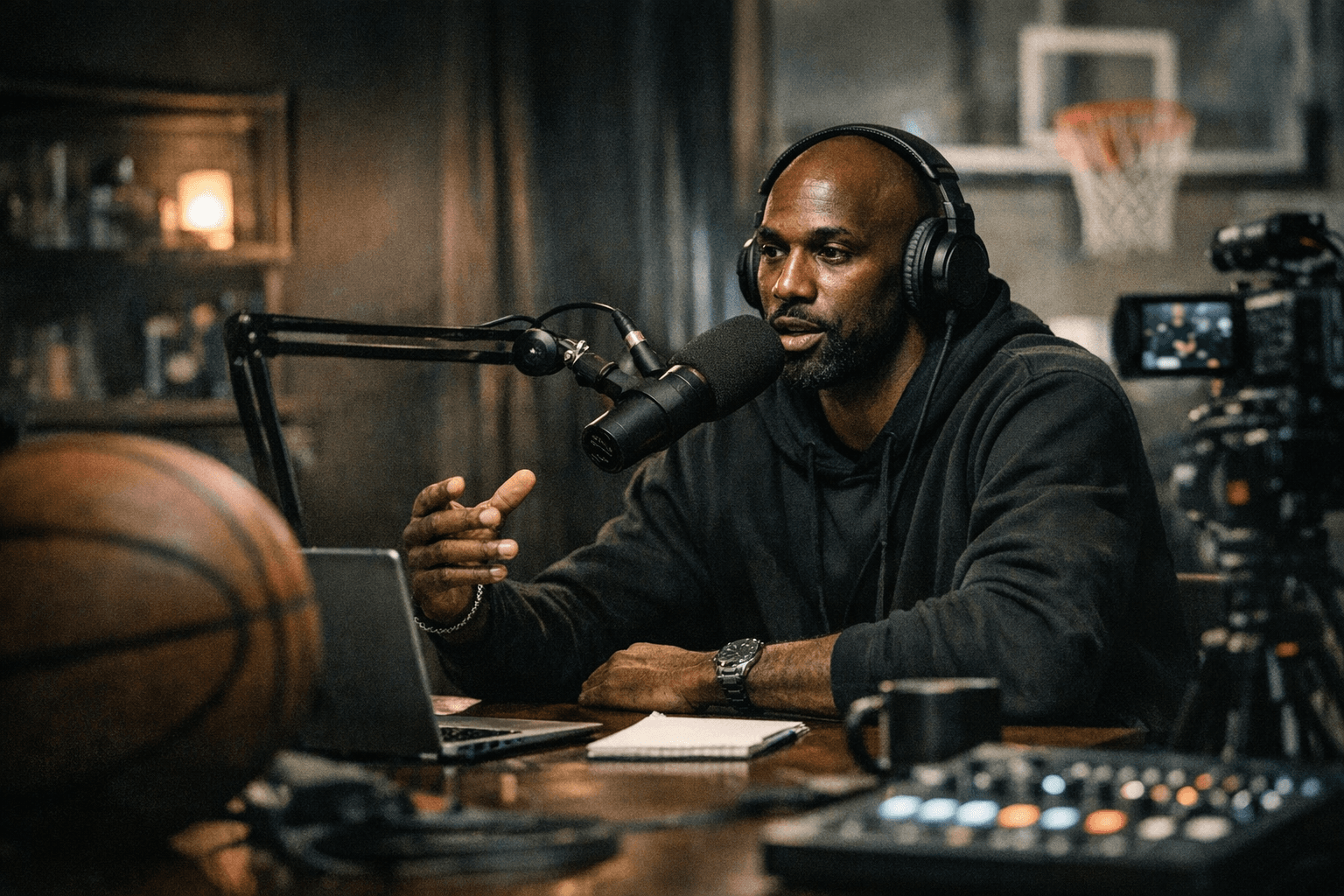
The NBA podcast boom is bigger than a side hustle. It is a power shift, with players using microphones to control their own stories, widen their reach, and create businesses that can outlast a playing career.
What makes the trend important is not just that stars sound comfortable on camera or behind a mic. It is that the league itself has helped formalize podcasting as a parallel media channel, giving players and team voices a direct path to fans without waiting for television bookings, newspaper columns, or postgame questions.
How the league built a podcast platform
The NBA and iHeartMedia moved first to make podcasting an official part of the league’s media footprint. In March 2023, they unveiled a slate of team-specific shows for six franchises: the Boston Celtics, Brooklyn Nets, Charlotte Hornets, Cleveland Cavaliers, New Orleans Pelicans and San Antonio Spurs. In that announcement, the NBA highlighted iHeartMedia as the No. 1 podcast publisher globally, according to Podtrac, a reminder that this was not a vanity experiment but a serious distribution play.
That same year, the league made the format more personal. On Feb. 24, 2023, Tyrese Maxey’s “Maxey On The Mic” was announced as the first player-led podcast on the iHeart/NBA Podcast Network, and the NBA described it as the first show on the network hosted by an active NBA player in-season. That detail matters. It signaled that podcasting was no longer something players did only after retirement or during the offseason. It had become part of the live NBA ecosystem.
The network expanded again in April 2024 with “NBA DNA with Hannah Storm” and “The VC Show with Vince Carter.” Those additions showed the league was not only handing players a platform, but also building a broader audio identity around storytellers who could connect history, personality, and current basketball in one place.
Why players are stepping into the booth
For players, podcasting offers something traditional sports media often cannot: authorship. A podcast is not just exposure, it is ownership of tone, pacing, and subject matter. That is especially valuable in a league where every quote can be clipped, amplified, and reframed within minutes.
Tyrese Maxey’s role is a useful example. As an active player on a season-long schedule, he represented a new type of media figure: someone who can speak as both participant and interpreter of the league. That creates a different kind of trust with fans, who hear not just analysis but lived experience from inside the locker room, travel grind, and day-to-day rhythm of an NBA season.
LeBron James pushed the model into an even bigger commercial tier. He signed a multiyear deal with Wondery for “Mind the Game,” returned with Steve Nash as co-host, and brought the show back for a second season in 2025. That partnership shows the ceiling for athlete podcasting when a global star treats audio like a branded media property rather than a casual conversation. The move also underscores the business logic: a podcast can deepen a star’s relationship with fans while creating a durable platform tied to sponsors, streaming, and long-term audience value.
Podcasts as brand architecture
The most powerful part of this shift is that podcasting lets players build a public identity beyond box scores. A podcast can reinforce expertise, personality, and longevity all at once. For younger players, it is a chance to become recognizable beyond the nightly highlight cycle. For veteran stars, it is a way to stay culturally relevant while preparing for life after basketball.
That is why the format resonates across different stages of a career. It can make a bench player feel closer to the audience, but it can also help a superstar like LeBron James or Vince Carter define how history remembers him. Vince Carter’s addition to the network, alongside Hannah Storm, shows that the league sees audio as a place where both basketball memory and present-tense commentary can be packaged and sold.
The brand value is obvious. A player who can own a microphone can own more of his narrative, and that narrative can support endorsements, media deals, speaking opportunities, production projects, and whatever comes next after the final season.
The league also gets a history machine
Podcasting is not only about self-promotion. The NBA has also used the medium to shape how its own history is told. “Four Years of Heat,” a production of iHeartMedia and the NBA, revisited the Miami Heat’s Big Three era using archival audio and interviews. That format matters because it turns league memory into an audio product that feels both intimate and officially sanctioned.
This is where the podcast boom becomes a broader media strategy. The NBA can deepen fan access while keeping more of its storytelling inside a controlled, branded environment. Fans get closer to the personalities and eras that shaped the league, but they are hearing those stories through channels that the league helps curate.
What changes when athletes become publishers
There is real upside in that direct-to-fan relationship, but there is also a cost. When athletes become both the subject and the publisher of coverage around them, the line between access and independence gets thinner. Traditional sports media is built, at least in theory, to ask hard questions, compare perspectives, and create distance between the people on the floor and the people telling the story.
Podcasting collapses some of that distance. It can produce richer context and more personal storytelling, but it can also reduce friction, which is often where accountability lives. A player-hosted show may reveal more about the internal culture of the league, yet it can also make criticism feel less likely and self-curation more common.
That tension is central to the podcast boom. The format gives athletes more control over their legacy, more tools to convert popularity into a business, and more ways to keep fans engaged after their playing days are done. But it also means that some of the loudest voices shaping basketball culture are now inside the machinery they are describing.
The result is a new media order in which the NBA is not just a sports league, but an audio network of competing narratives, personal brands, and historical memory. That shift is likely to deepen as more players understand that the microphone is not just a platform. It is an asset, and in the modern sports economy, assets outlast seasons.
This article was produced by Prism’s automated news system from verified source data, official records, and press releases, then run through automated quality and moderation checks before publishing. The system is built and supervised by the people who set the standards it runs under. Read our full AI policy.
Did this article answer your question?