Four dead, 90 trapped in China coal mine carbon monoxide leak
Carbon monoxide surged past safe limits in a Shanxi coal mine, leaving four dead and 90 workers trapped underground as rescuers raced through the night.
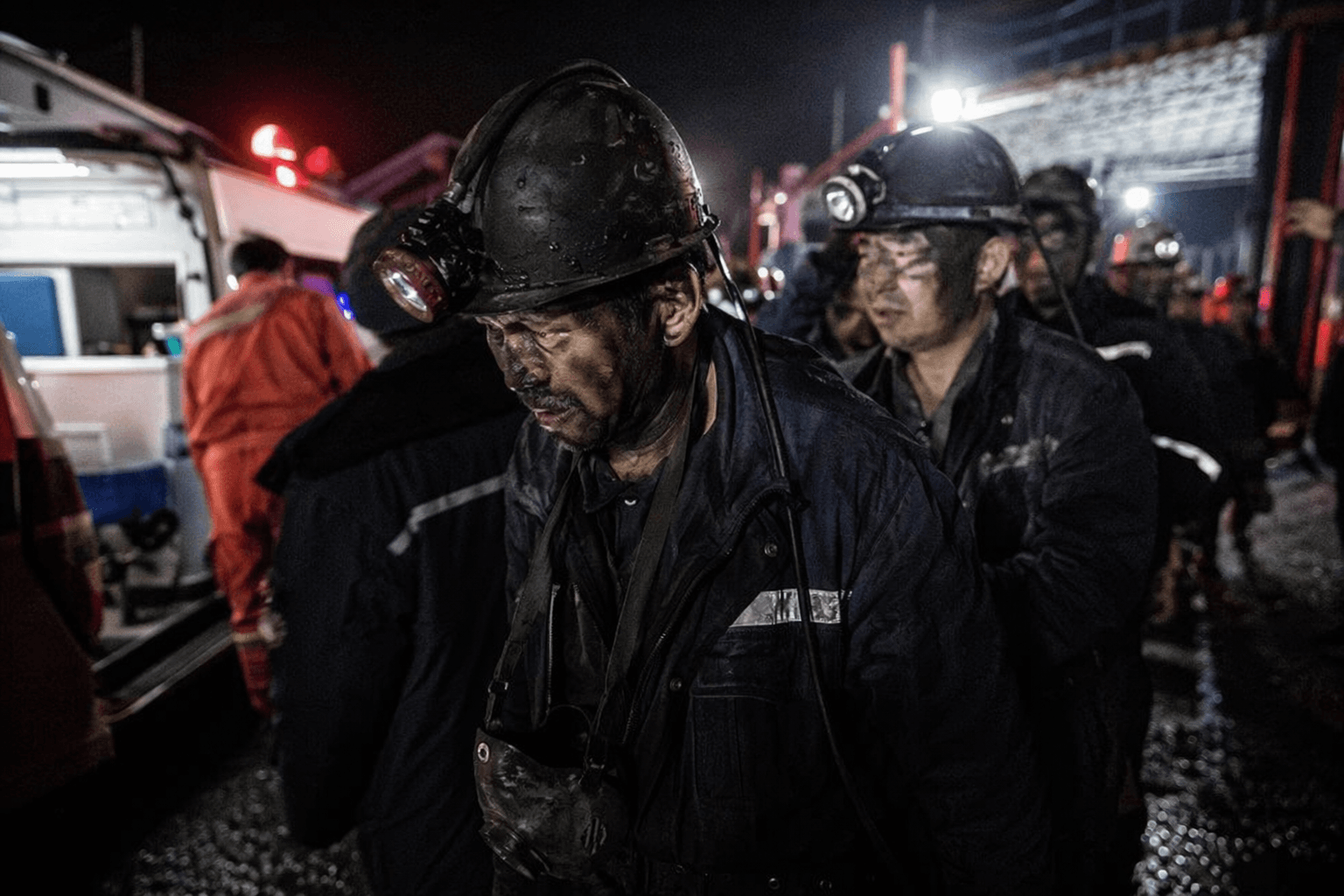
Carbon monoxide levels spiked in a coal mine in north China’s Shanxi Province, killing four workers and leaving 90 others trapped underground in one of the country’s most closely watched coal regions. By 3:33 a.m. Saturday, rescuers had brought 157 of the 247 miners to the surface from the Liushenyu coal mine in Qinyuan County of Changzhi City, but 16 of those still below ground were reported to be in critical condition.
The accident struck at 9:43 p.m. Friday, according to state media reports. The mine sits in Shanxi, China’s coal-mining capital and a province central to the nation’s energy supply. That makes every major underground emergency there more than a local tragedy: it is a test of how well China can police an industry that remains essential to power generation, industrial output and household heating.
The scale of the emergency also highlights the pressure on rescue teams when toxic gas spreads underground. Carbon monoxide can incapacitate miners quickly, complicating evacuation and rescue in deep shafts where visibility is poor and communication can fail. In this case, the gap between the initial accident and the early morning accounting of those safely brought out showed how rapidly conditions deteriorated inside the mine.
The incident comes as Beijing has tried to tighten oversight of coal mine safety. A new coal mine production safety regulation took effect on May 1, 2024, aimed at improving production safety, preventing and reducing accidents, and protecting lives and property. The State Council’s Work Safety Commission has also been carrying out a 2024-2026 three-year action plan focused on workplace safety, including a push to strengthen training, improve hazard assessment and remove major risks before they turn deadly.

Even so, fatal coal mine accidents have continued in Shanxi this year, according to recent state media reports, underlining the gap between safety pledges and conditions on the ground. The latest disaster will intensify scrutiny of whether mines in the province are being monitored closely enough, whether warning signs are being acted on quickly enough, and whether accountability in a sector tied to national energy security is keeping pace with the risks underground.
This article was produced by Prism’s automated news system from verified source data, official records, and press releases, then run through automated quality and moderation checks before publishing. The system is built and supervised by the people who set the standards it runs under. Read our full AI policy.
Did this article answer your question?