Fragile Iran ceasefire falters as U.S. talks end without deal
Tehran’s brief pause in fighting has brought relief and anger in equal measure as U.S.-Iran talks collapsed after more than 20 hours in Islamabad.
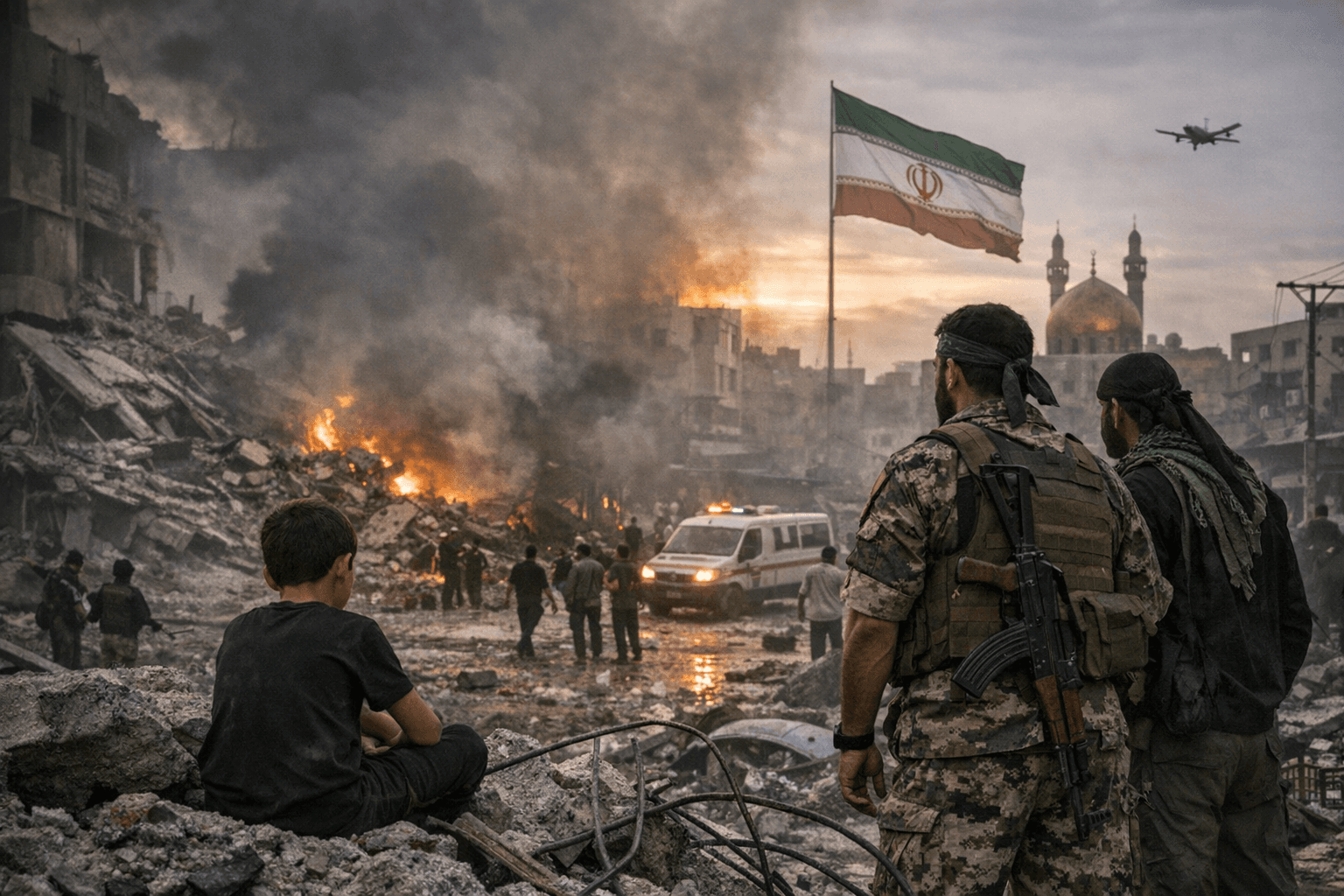
In Tehran, the ceasefire has not produced calm so much as a strained pause, with ordinary Iranians weighing relief against anger and a hard-earned skepticism about whether Washington and Tehran can still strike a deal. The two-week truce announced on April 7-8 came after about 40 days of intense fighting across the Middle East, a conflict that killed thousands, damaged critical infrastructure and rattled markets well beyond the region.
That fragility was laid bare in Islamabad, where Pakistan hosted direct U.S.-Iran talks on April 11-12 in an effort to turn the ceasefire into something more durable. The negotiations lasted more than 20 hours and ended without agreement. JD Vance said Iran refused to accept Washington’s terms, while Iranian officials blamed the United States for the failure. The two sides remained divided over Iran’s nuclear program, sanctions relief, frozen assets and the status of the Strait of Hormuz.
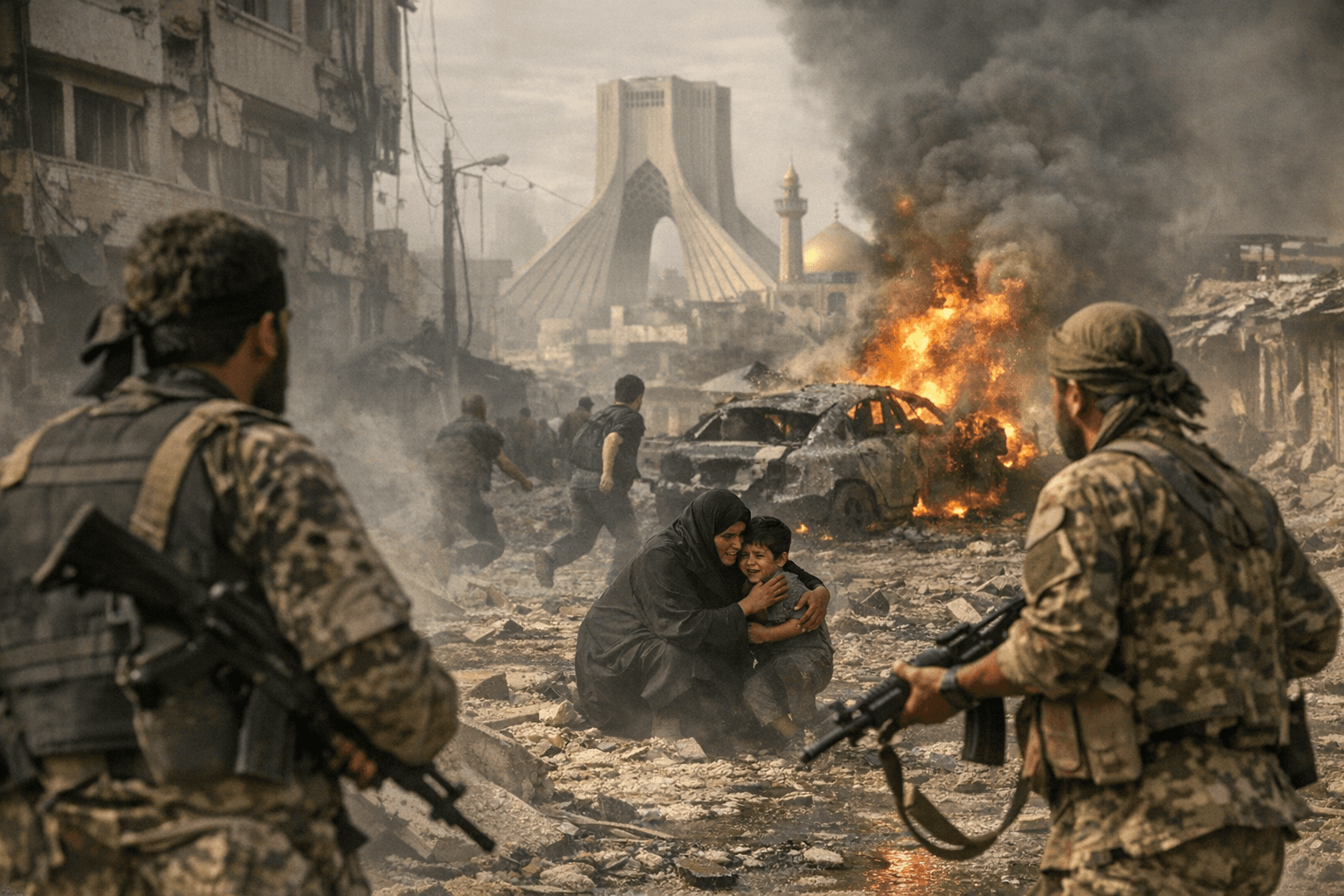
The talks were widely described as the most significant direct engagement between Washington and Tehran in decades, but the political and military backdrop made trust scarce. Analysts warned that any lasting deal would be difficult to sustain after Iran was bombed twice during the wider conflict while diplomacy was still underway. That history has left both governments arguing under enormous pressure and with little room to concede.
The ceasefire itself has already been tested by violence elsewhere in the region, especially Israeli strikes in Lebanon, which have kept tensions high despite the pause between the United States and Iran. Reports also pointed to renewed strain over shipping in the Strait of Hormuz early in the truce, with Iranian media and state-linked reporting suggesting the waterway was closed or blocked to most shipping. Any disruption there raises immediate concern for global oil supplies, given the strait’s central role in energy trade.
Inside Iran, the domestic mood is mixed and politically significant. Some residents see the ceasefire as a necessary reprieve after weeks of war, while others say they feel abandoned by Donald Trump and doubt that Washington will ease the economic pressure that has deepened hardship. Still, there is cautious hope that diplomacy could eventually deliver sanctions relief and an end to the fighting.
For now, the ceasefire is holding only in the narrowest sense. The talks in Islamabad showed that even after nearly 40 days of war, the biggest obstacle may not be the table in front of diplomats but the public mood behind them: exhausted, suspicious, and still waiting to see whether peace can survive the next test.
This article was produced by Prism’s automated news system from verified source data, official records, and press releases, then run through automated quality and moderation checks before publishing. The system is built and supervised by the people who set the standards it runs under. Read our full AI policy.
Did this article answer your question?


