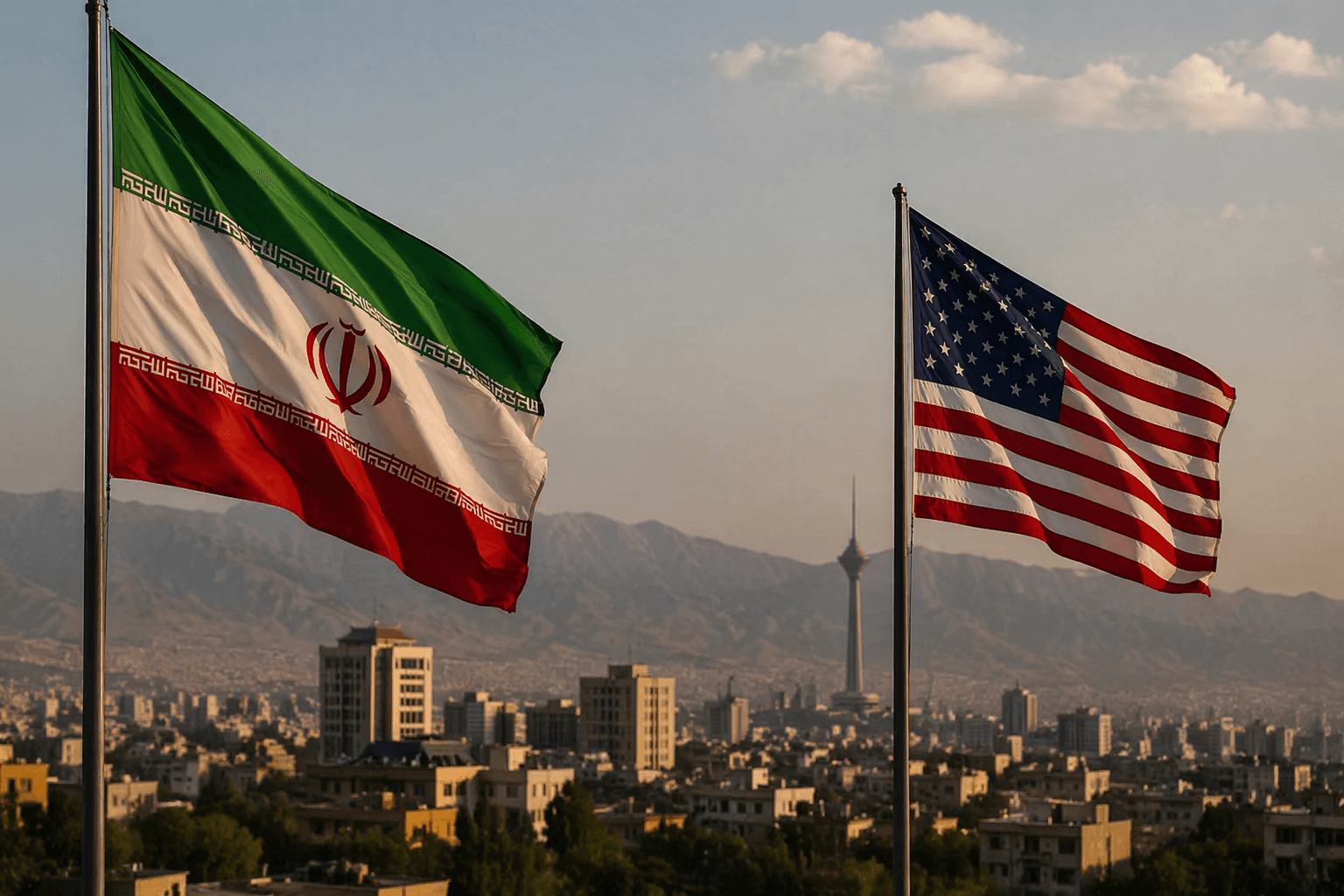
Fragile U.S.-brokered ceasefire unravels as Israeli strikes hit Lebanon
Israeli strikes on Friday widened the gap between warming regional diplomacy and Lebanon’s war, as U.S.-brokered talks produced only a conditional truce.

Israeli strikes on Friday kept Lebanon out of step with a cautious regional thaw, underscoring how little the latest U.S.-brokered diplomacy had changed conditions on the ground. While Washington pushed a fragile ceasefire framework, the fighting in southern Lebanon continued, leaving Lebanese officials to describe the arrangement as only a partial de-escalation.
The deal emerged from the fourth high-level trilateral meeting between Israeli and Lebanese representatives, convened by the United States in Washington, DC, on June 2 and 3. In the June 3 statement, Israel and Lebanon agreed to implement a ceasefire only if Hezbollah stopped firing completely and withdrew all operatives from the South Litani Sector. Hezbollah was not at the table, and the arrangement was cast in Beirut as limited, not as an end to the war.
That gap between diplomacy and reality widened in the days that followed. Reuters reported that Iran warned it could abandon negotiations with Washington if Israeli strikes in Lebanon continued, a sign that the Lebanese front had become inseparable from the wider Iran-Israel confrontation. The conflict has already killed thousands of people, and retaliatory strikes have helped pull the region into a broader cycle of escalation.
On June 6, Israeli airstrikes in southern Lebanon killed nine people, including three members of the Lebanese military. President Joseph Aoun condemned the strike on the army as a flagrant violation of sovereignty, a sharp reminder that even Lebanon’s state institutions have not been insulated from the war. The attacks also showed how little restraint the ceasefire language had imposed on the Israel Defense Forces.
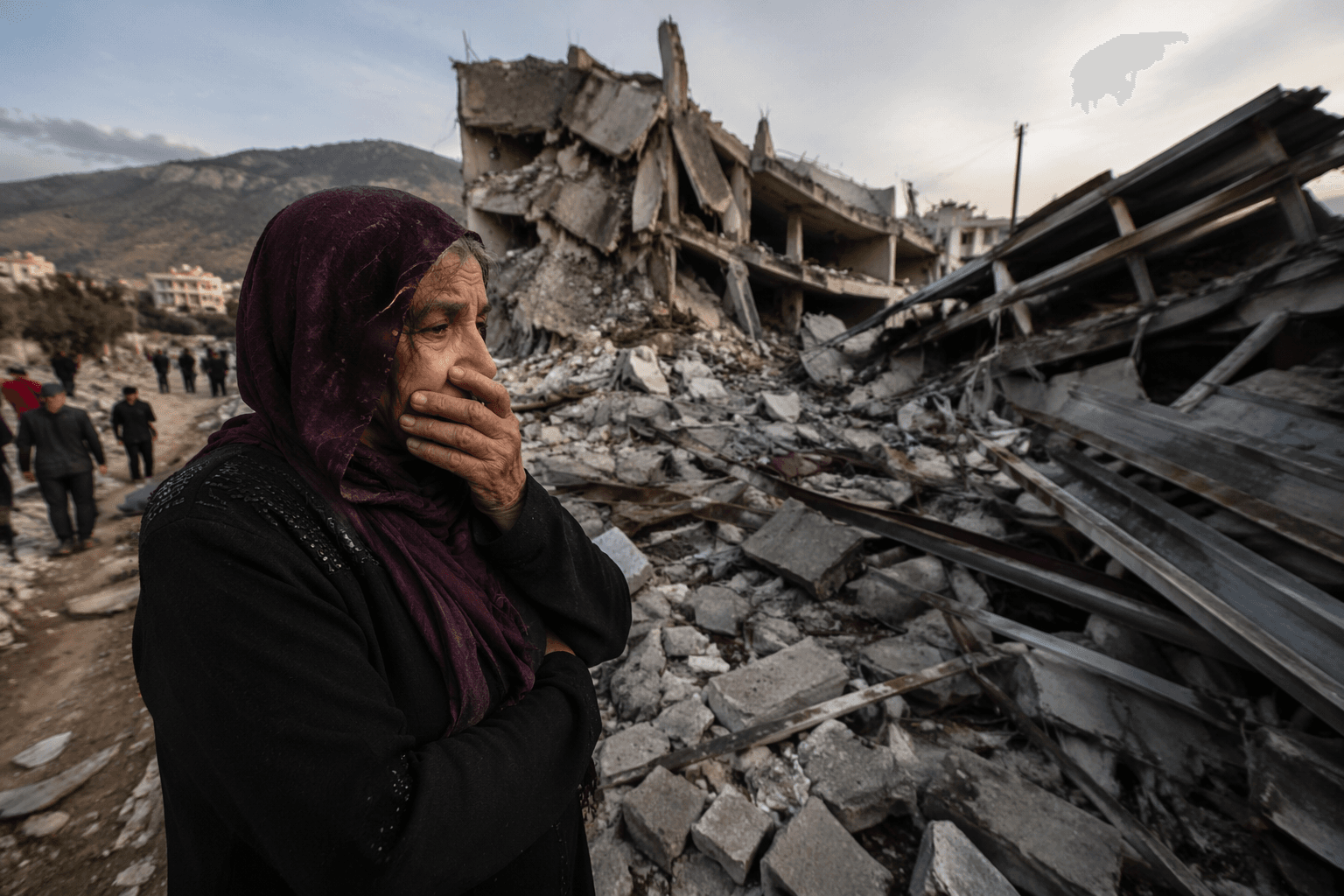
The damage has mounted quickly. A UN-led assessment released on June 9 said buildings across Beirut and Mount Lebanon had suffered more than $365 million in losses since the latest escalation. In Tyre, fresh strikes signaled that the fighting was still spreading, not easing, despite the diplomatic track in Washington.
Human Rights Watch said on June 11 that Israeli killings of civilians and the displacement of Lebanese civilians had continued unabated since the April 17 ceasefire declaration. The group said residents of Tyre, surrounding towns and refugee camps were ordered to leave on June 7 and June 9, reinforcing the sense that the war was still displacing families even as negotiators spoke of stabilization.
For Lebanon, the immediate lesson was stark: regional diplomacy may be warming, but the war on its soil was still intensifying. Until the conditions on the ground change, the U.S.-brokered framework remains vulnerable to the next strike, the next evacuation order and the next regional retaliation.
This article was produced by Prism’s automated news system from verified source data, official records, and press releases, then run through automated quality and moderation checks before publishing. The system is built and supervised by the people who set the standards it runs under. Read our full AI policy.
Know something we missed? Have a correction or additional information?
Submit a Tip