Fragile U.S.-Iran Ceasefire Faces Strain From Israel, Trump Threats
A two-week U.S.-Iran ceasefire is fracturing within 24 hours, as Israel's largest Lebanon assault killed 254 and Iran closed the Strait of Hormuz again.
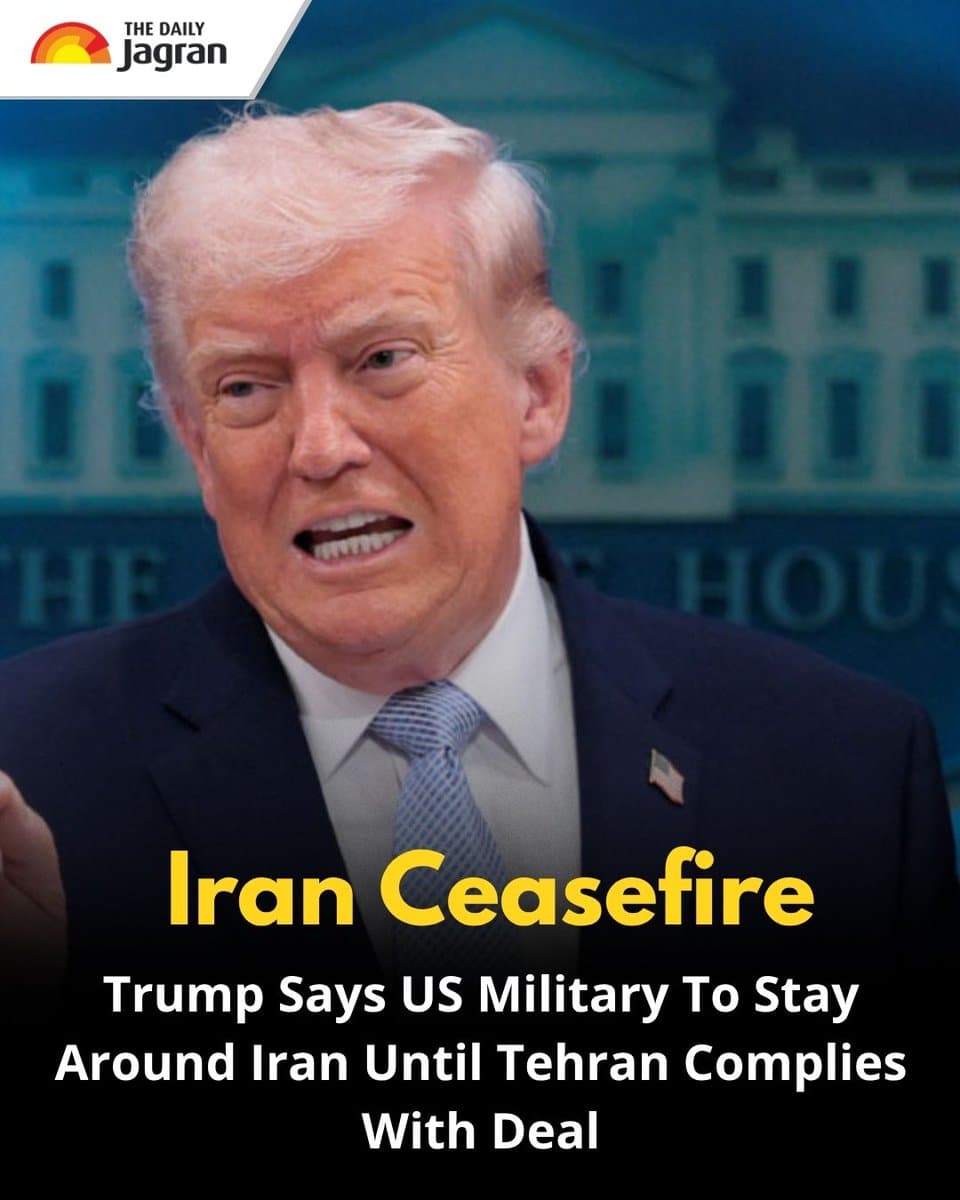
The ink on the U.S.-Iran ceasefire was barely dry when Israel sent 50 Air Force fighter jets over Lebanon, striking 100 Hezbollah command centers and military sites with approximately 160 munitions in what the Israeli Defense Forces described as the largest coordinated wave of strikes in Lebanon since the wider war began. Lebanese Civil Defense counted at least 254 killed. The assault, launched hours after President Trump announced a two-week truce on April 7, immediately exposed the fault lines that now determine whether this ceasefire is measured in days rather than weeks.
The ceasefire's architecture is itself the first lever under strain. Pakistan's Prime Minister Shehbaz Sharif, who brokered the deal, announced it with explicit language: the agreement covered Lebanon and was "effective immediately everywhere." Trump, Netanyahu, and White House press secretary Karoline Leavitt each rejected that reading. Trump told PBS that Lebanon was "a separate skirmish." French President Emmanuel Macron publicly contradicted Washington and said Lebanon was fully included. The dispute is not rhetorical; it determines whether every Israeli airstrike on Beirut or the Bekaa Valley constitutes a ceasefire violation triggering Iran's exit clause.
Iran moved to trigger exactly that clause. Iran's IRGC closed the Strait of Hormuz in response to the Lebanon strikes, unraveling the single verifiable condition Trump had set for the agreement: that the waterway would reopen for commercial shipping. The White House called the closure "completely unacceptable." Defense Secretary Pete Hegseth said at a press conference on Wednesday that "the strait is open," but the IRGC's own statement contradicted him. A chart published by Iranian authorities also suggested the country may have placed sea mines in the strait, a development with concrete operational implications for any U.S. naval positioning in the region.
Iran's semi-official Tasnim news agency, affiliated with the IRGC, quoted sources saying Tehran was "assessing the possibility of exiting the deal should the Israeli regime persist in its breaches." Iran's parliament speaker Mohammad Bagher Qalibaf went further, declaring planned follow-on talks "unreasonable" because Washington had already broken three of Tehran's 10 conditions. Iranian Foreign Minister Abbas Araghchi posted directly: "The ball is in the U.S. court, and the world is watching whether it will act on its commitments."
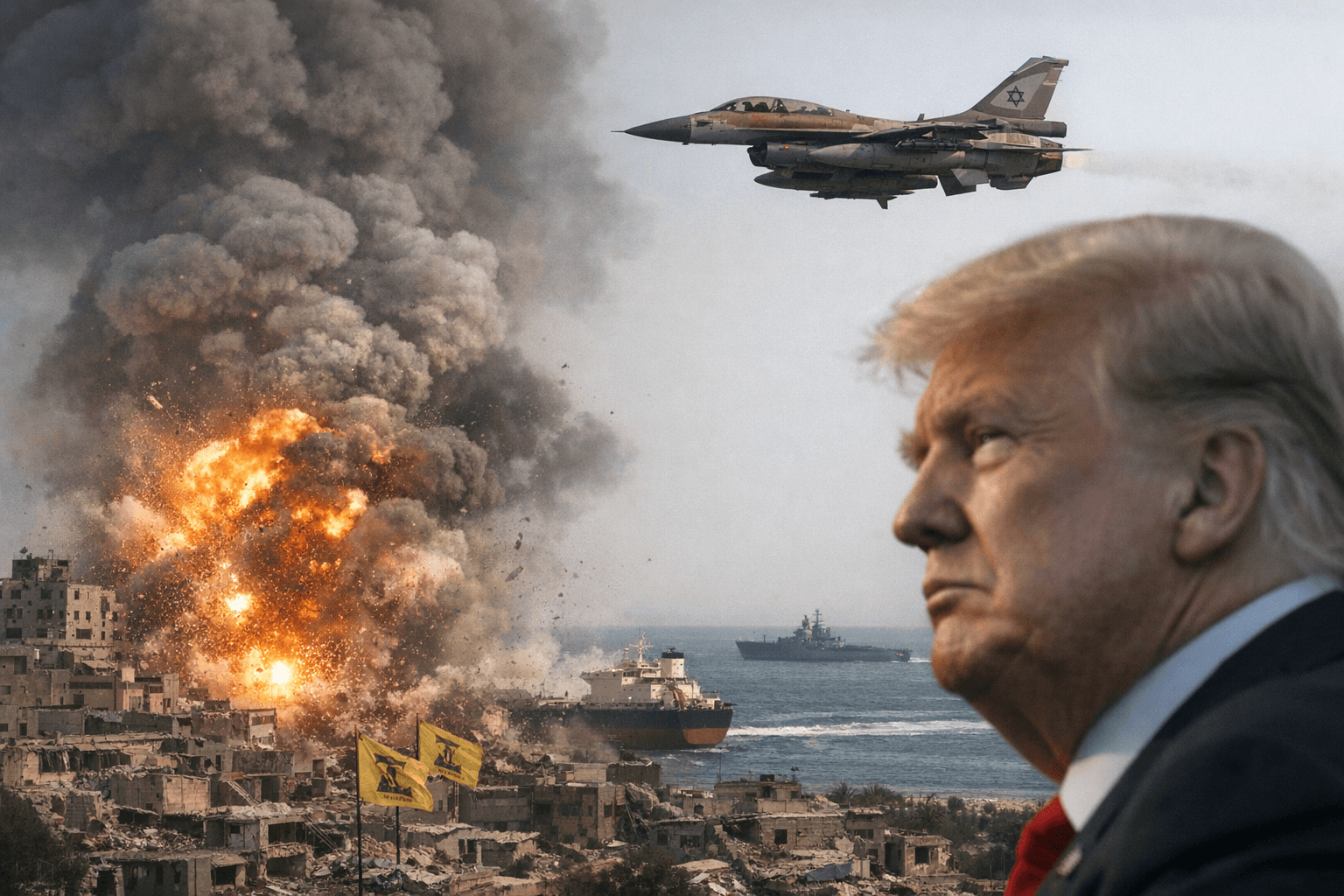
Against that backdrop, Trump posted a new threat on Truth Social on April 9, one day after the ceasefire took effect. "All US ships, aircraft, and military personnel...will remain in place in, and around, Iran, until such time as the REAL AGREEMENT reached is fully complied with," he wrote. "If for any reason it is not...the 'Shootin' Starts,' bigger, and better, and stronger than anyone has ever seen before." Joint Chiefs Chairman Gen. Dan Caine had already framed the ceasefire as a "pause" at a Pentagon briefing, and Hegseth added: "We are prepared to restart in a moment's notice."
The lever that neither Washington nor Tehran fully controls is Israel. Vice President JD Vance, who called the deal "fragile," acknowledged that Israel had offered to restrain its Lebanon strikes during ceasefire negotiations but did not commit to stopping them. Netanyahu's office stated explicitly that Israeli operations against Hezbollah would continue regardless of the Iran deal. Hezbollah responded to the April 8 strikes by firing missiles and launching drones, saying its response "will continue until the Israeli-American aggression against our country and our people ceases."
Vance, special envoy Steve Witkoff, and Jared Kushner are scheduled to travel to Islamabad for permanent settlement talks beginning Saturday. Whether those talks proceed depends on whether the Strait of Hormuz remains open, whether Israel's strikes pause or intensify, and whether Iran's government can hold its internal hardliners in check long enough to reach the table. Each of those conditions is currently in question, and none of them is controlled by the same actor.
This article was produced by Prism’s automated news system from verified source data, official records, and press releases, then run through automated quality and moderation checks before publishing. The system is built and supervised by the people who set the standards it runs under. Read our full AI policy.
Did this article answer your question?


