France Asserts Europe's Right to Refuse Unacceptable U.S. Proposals
In his annual address to France’s ambassadors, Foreign Minister Jean-Noël Barrot says Europe must defend its regulatory sovereignty by refusing proposals from even its closest allies when they are unacceptable. His remarks underline a growing transatlantic fracture at a moment of heightened security pressure from Russia and domestic strains within the European Union.
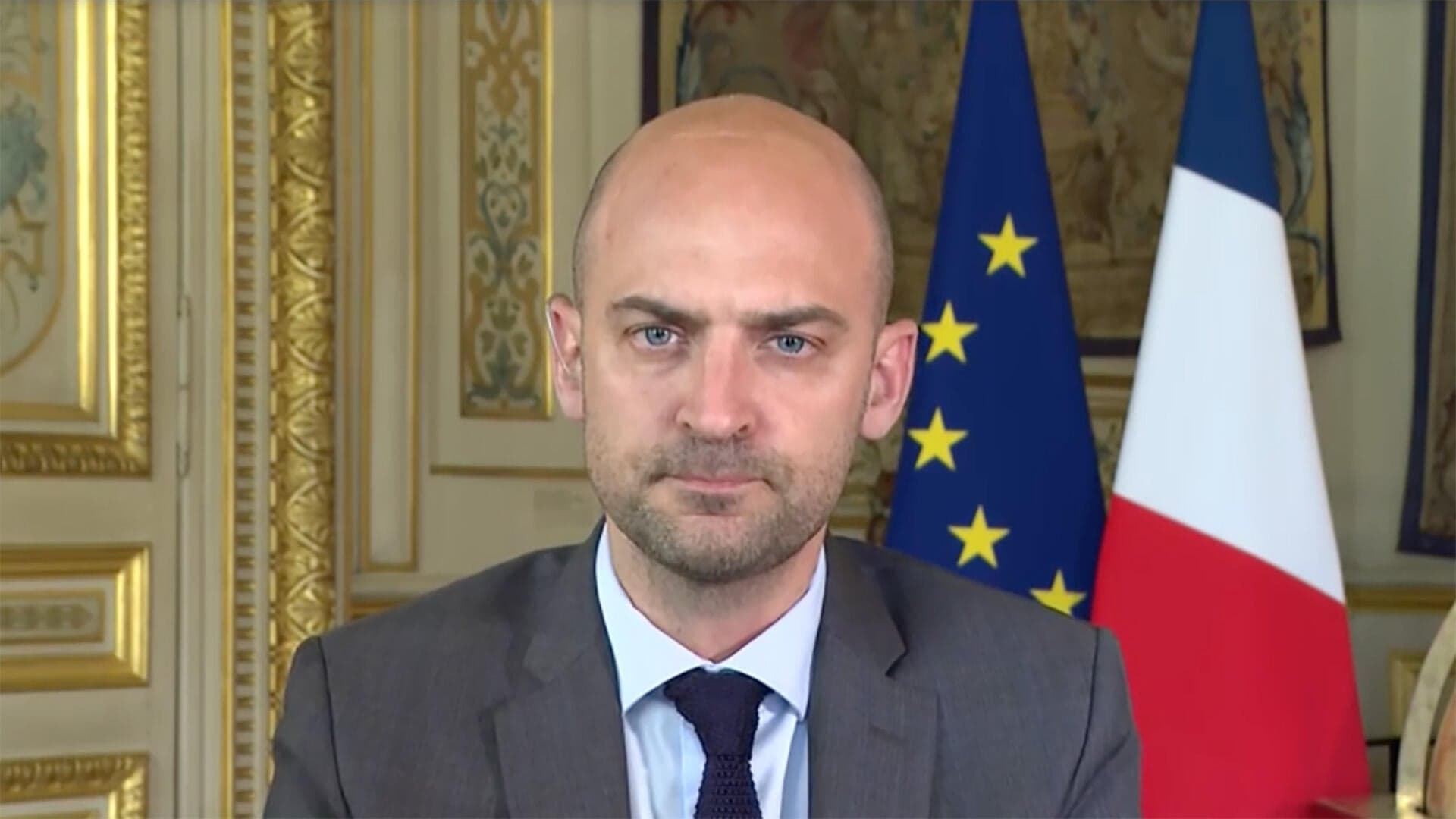
French Foreign Minister Jean-Noël Barrot used his annual address to France’s ambassadors on January 9 to make a forceful statement of European autonomy, declaring that Brussels and its capitals will not automatically accept proposals from Washington. Speaking as transatlantic relations recalibrate under a new American administration, Barrot said plainly: “It is also our right to say ‘no’ to a historical ally, however historical it may be, when its proposal is not acceptable and when we must say ‘no’.”
Barrot framed his comments as a defence of European sovereignty and regulatory autonomy, warning that attempts by external actors to impose rules on European societies would be resisted. He singled out recent U.S. measures that have targeted Europeans, naming sanctions against anti-disinformation activists and former EU commissioner Thierry Breton. While acknowledging Washington’s stated rationale of defending free speech, Barrot argued those actions threatened the EU’s “right to regulate within its own borders.”
The French foreign minister also sounded an alarm about the broader pressures confronting the European project. He said the European Union was “threatened from the outside by adversaries who are trying to unravel the bonds of solidarity that unite us” and “from within by democratic fatigue,” adding bluntly, “Let’s be clear: nothing guarantees today that we will still be living within the European Union as we know it in 10 years.” Those warnings came alongside a remark that the new American administration “decided, and that is its right, to rethink the ties that bind us,” a formulation echoing recent French concerns about a shifting U.S. foreign-policy posture.
Barrot tied the diplomatic dispute to an urgent security backdrop. Overnight around the time of his address, Russian forces struck western Ukraine near the border with Poland with a hypersonic Oreshnik missile after rejecting a peacekeeping plan proposed by Kyiv’s European and U.S. partners. French officials and diplomats see such external pressures as sharpening the need for a united European strategic response while underscoring why regulatory and political independence matters for member states planning their security and economic policies.
The speech reflects a broader unease in European capitals about managing an alliance that remains essential for deterrence and trade, but that is increasingly assertive and transactional in its demands. Leaders in Brussels and national capitals are balancing a desire to keep NATO cohesion intact while resisting what they view as unilateral moves that impinge on European law and democratic governance. The reference to controversies associated with President Donald Trump, and to policies framed under an “America First” orientation, underscores that the friction is not only policy-deep but political.
Barrot’s message is likely to reverberate through EU deliberations on sanctions, digital regulation, and trade resilience, and to shape bilateral exchanges with Washington in the months ahead. By insisting on the right to refuse, Paris is signalling that Europe intends to defend its rulemaking space even as it seeks to preserve the alliance that anchors its security.
This article was produced by Prism’s automated news system from verified source data, official records, and press releases, then run through automated quality and moderation checks before publishing. The system is built and supervised by the people who set the standards it runs under. Read our full AI policy.
Did this article answer your question?


