France opens torture, war crimes probe over Gaza flotilla arrests
France has opened a torture and war-crimes probe after Israeli forces intercepted a Gaza-bound flotilla carrying 37 French nationals.

France’s National Anti-Terrorism Prosecutor’s Office opened a preliminary investigation into suspected torture and war crimes after the treatment of French nationals aboard the Gaza-bound Global Sumud Flotilla, turning a maritime standoff into a criminal case with cross-border implications. The move places French authorities directly into one of the most politically charged edges of the Gaza war: how state power is exercised at sea, and whether that treatment can trigger accountability in domestic courts.
The inquiry followed Israel’s interception of the flotilla in international waters in the Mediterranean, where activists said they were trying to deliver humanitarian aid to Gaza and challenge Israel’s naval blockade. French officials referred the matter on May 28 under Article 40 of the criminal procedure code, which requires public officials to report suspected crimes or offenses. Prosecutors then entrusted the case to OCLCH, France’s central office for combating crimes against humanity and hate crimes, signaling that the allegations were being handled as possible international crimes rather than a routine consular dispute.
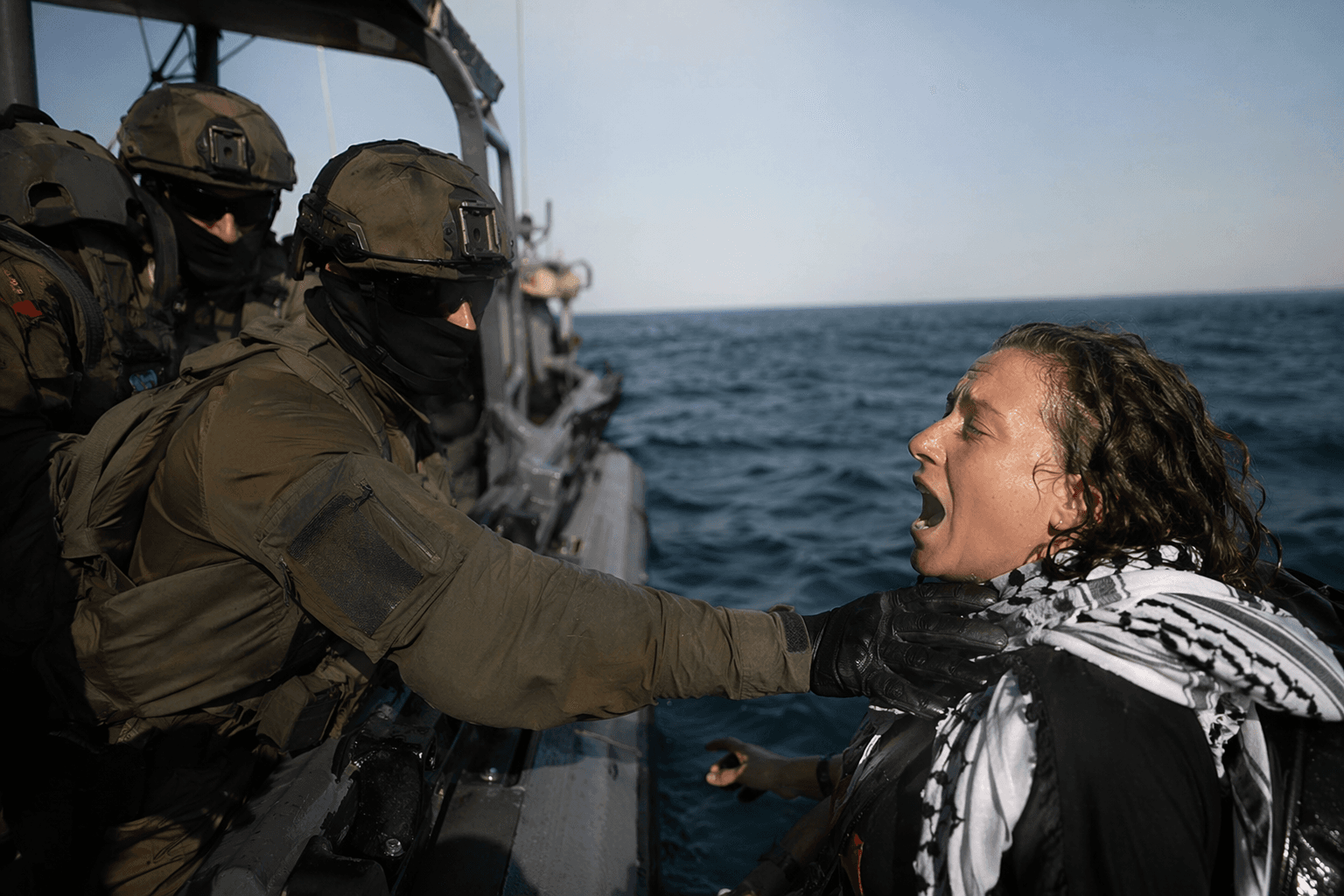
The case is rooted in the experience of French citizens among a much larger operation. Coverage of the flotilla said about 430 activists from more than 50 boats were detained or intercepted. Reuters reported that 37 French nationals were being deported by Israel on May 21, and France 24 said all 37 French nationals detained aboard the aid flotilla were deported by Israel to Turkey. Returning activists described what they called violent detention, while Israeli authorities denied mistreatment.
Diplomatic tensions widened as the fallout spread beyond the water. On May 20, Israel’s far-right national security minister, Itamar Ben-Gvir, posted a video taunting detained activists, prompting criticism in Europe. France later barred Ben-Gvir from entering French territory over his conduct toward the activists, underscoring how the flotilla dispute had already become a political and diplomatic issue between Paris and Jerusalem. French foreign minister Jean-Noël Barrot was the senior official identified in the referral process.

The legal significance reaches beyond this flotilla alone. By opening a preliminary probe, French prosecutors signaled that allegations involving French nationals abroad can move into a framework for torture and war-crimes scrutiny when the reported conduct is serious enough and formally raised through the justice system. That creates a potential avenue for cross-border litigation tied to Gaza, especially when activists, diplomats and lawyers argue that detention, transfer and treatment after interception may have violated international standards. For France, the case also reflects a wider effort to police the treatment of its citizens abroad while the humanitarian blockade of Gaza remains under global legal and political pressure.
This article was produced by Prism’s automated news system from verified source data, official records, and press releases, then run through automated quality and moderation checks before publishing. The system is built and supervised by the people who set the standards it runs under. Read our full AI policy.
Know something we missed? Have a correction or additional information?
Submit a Tip