France pushes G7 allies to back critical minerals statement
France pressed G7 allies to back a critical minerals statement as leaders weighed new shields against China-linked supply shocks.

Critical minerals sit behind the batteries in electric vehicles, the magnets in wind turbines, and the components that keep modern defense systems running, which is why France spent the final day of the G7 summit in Evian-les-Bains pushing allies toward a joint statement with real economic bite. If Western governments are serious about reducing dependence on China, the answer will be measured not in speeches but in mines, refineries, stockpiles and price tags.
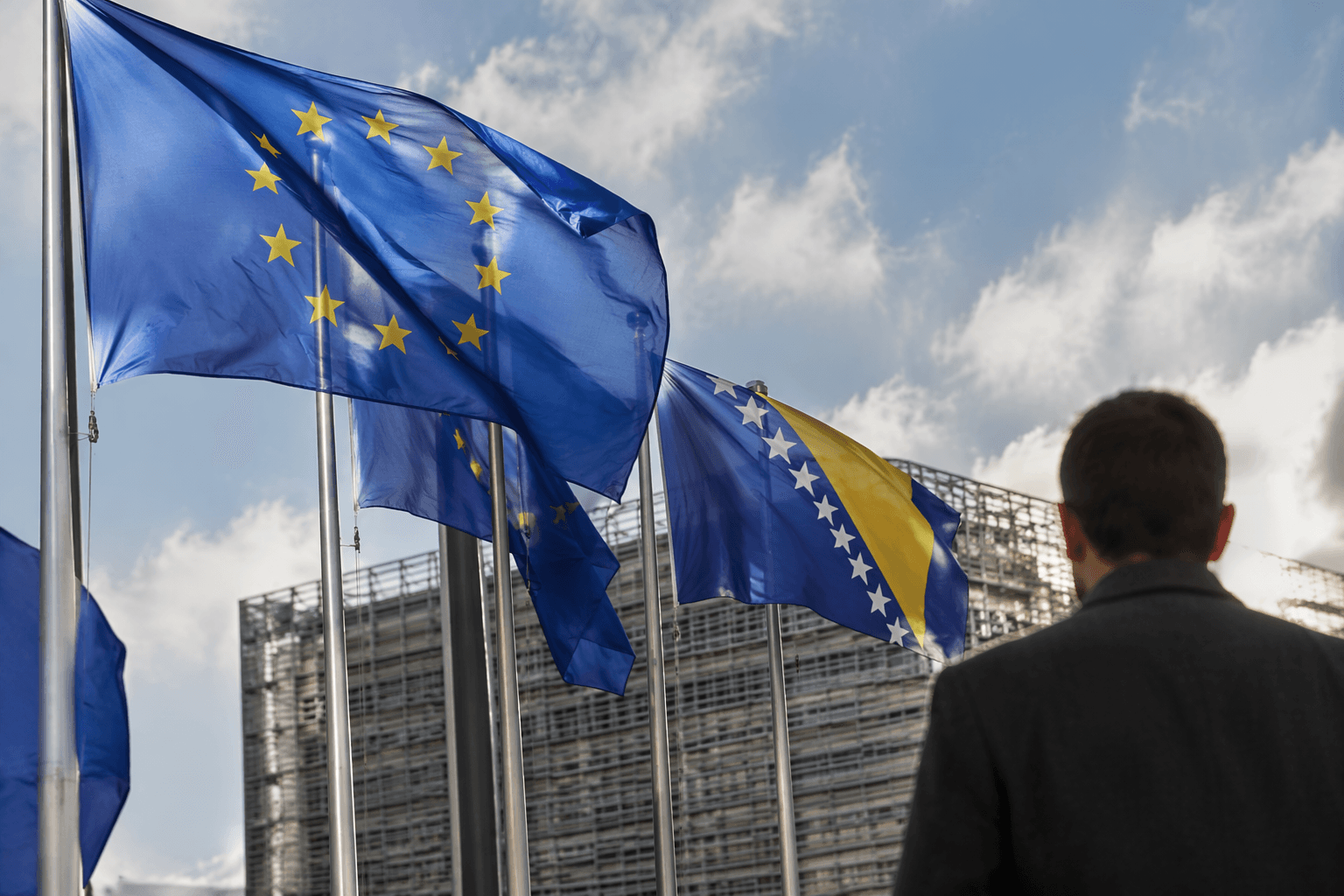
The summit, which ran from June 15 to June 17, 2026, became a test of whether the G7 can move from abstract talk about resilience to a common industrial strategy. France wanted the statement to include measures that would help protect investors from Chinese countermeasures and dumping, a sign that leaders were treating mineral supply chains as both a geopolitical vulnerability and a market problem. The French effort also fit a broader push to make economic sovereignty a central theme of its G7 presidency.
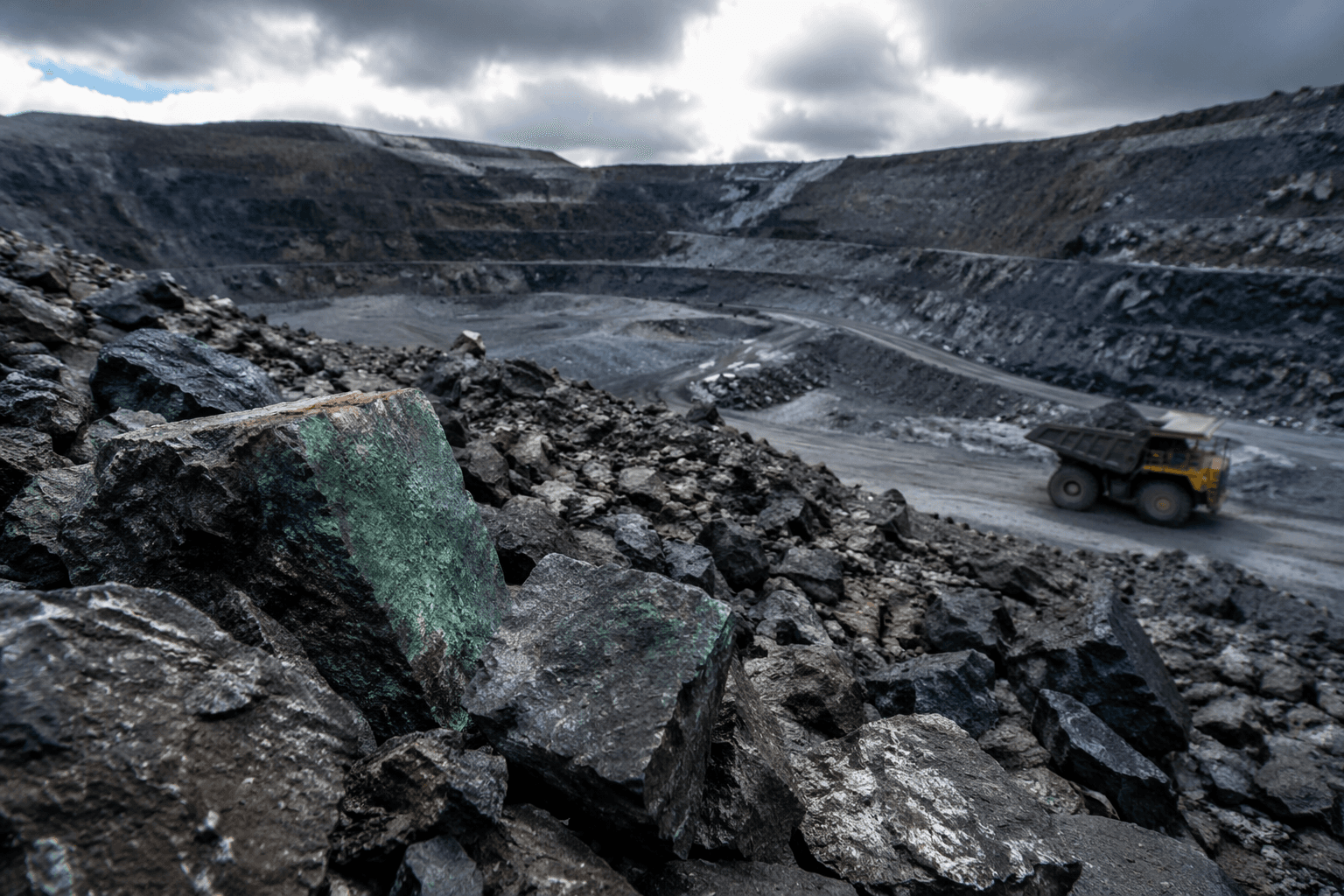
That broader strategy reflects a hard reality: the International Energy Agency says critical minerals markets remain turbulent and highly concentrated, while rare earth elements are the most geographically concentrated of the key energy-transition minerals in refining capacity. The European Union tried to answer that problem with the Critical Raw Materials Act, adopted in 2024 and in force since 2024, which names lithium, cobalt, nickel, gallium, boron and tungsten as strategically important and aims to reduce dependence on single-country suppliers across the full value chain. For Brussels, that means more than digging ore out of the ground. It means refining, alloy production and magnet manufacturing too.

The scale of the dependence is stark. U.S. congressional researchers said China was the largest rare-earth mine producer in 2025 with 270,000 metric tons of rare-earth-oxide equivalent, compared with 51,000 for the United States, 29,000 for Australia and 22,000 for Burma. Those materials matter because their catalytic, magnetic, electrical and luminescent properties make them indispensable in both civilian and defense applications.
The political obstacle is that allied governments do not agree on the path forward. Reuters reported that the Trump administration’s push for a pricing plan to regulate critical minerals met skepticism from G7 allies and resistance from parts of the mining industry, which worried about cost and governance. Reuters also reported in March 2026 that Japan, France and Canada were exploring alternatives to a U.S.-led critical-minerals trade bloc. That leaves Western leaders facing the central question of this summit: whether they can build a workable alternative to China’s dominance, or whether the G7 is still short on projects, permits and processing capacity while long on rhetoric.
This article was produced by Prism’s automated news system from verified source data, official records, and press releases, then run through automated quality and moderation checks before publishing. The system is built and supervised by the people who set the standards it runs under. Read our full AI policy.
Did this article answer your question?