France Reopens Algeria Ties, Sends Envoy to 1945 Massacre Commemoration
France sent its ambassador back to Algiers and a senior envoy to Sétif, tying a fragile diplomatic reset to the memory of the 1945 massacre.
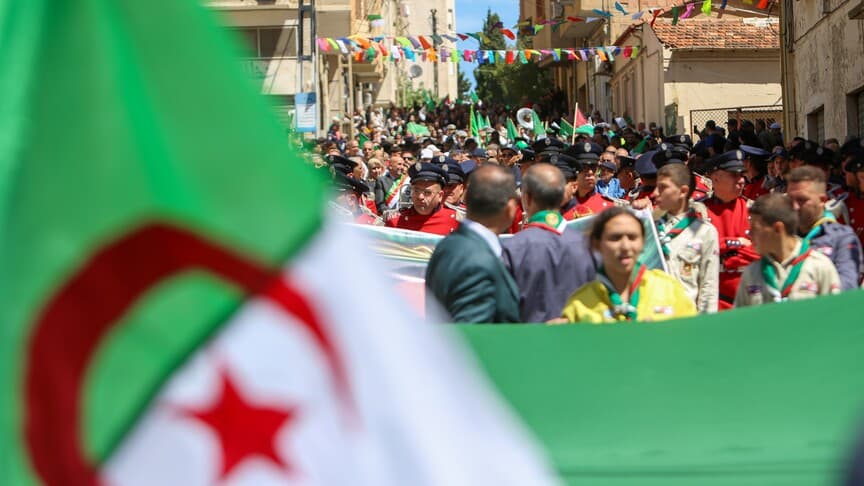
France moved on May 8 to reopen its channel to Algeria, returning Ambassador Stéphane Romatet to Algiers and sending Deputy Armed Forces Minister Alice Rufo to Sétif for the 81st anniversary of the 1945 massacres. The twin move underscored how closely today’s diplomacy remains tied to colonial memory, with Paris trying to lower the temperature after months of strain while Algiers watches for whether the gesture brings any real repair.
The rupture deepened after France backed Moroccan sovereignty over Western Sahara in 2024, a position that angered Algiers because Algeria supports the Polisario Front. Algeria recalled its ambassador in July 2024, and the standoff escalated again in April 2025 when France expelled 12 Algerian diplomats and pulled Romatet back for consultations after Algeria ordered 12 French officials to leave within 48 hours. Romatet’s return now signals a cautious reopening, not a settlement, of disputes that still cut across migration, consular matters and security coordination.
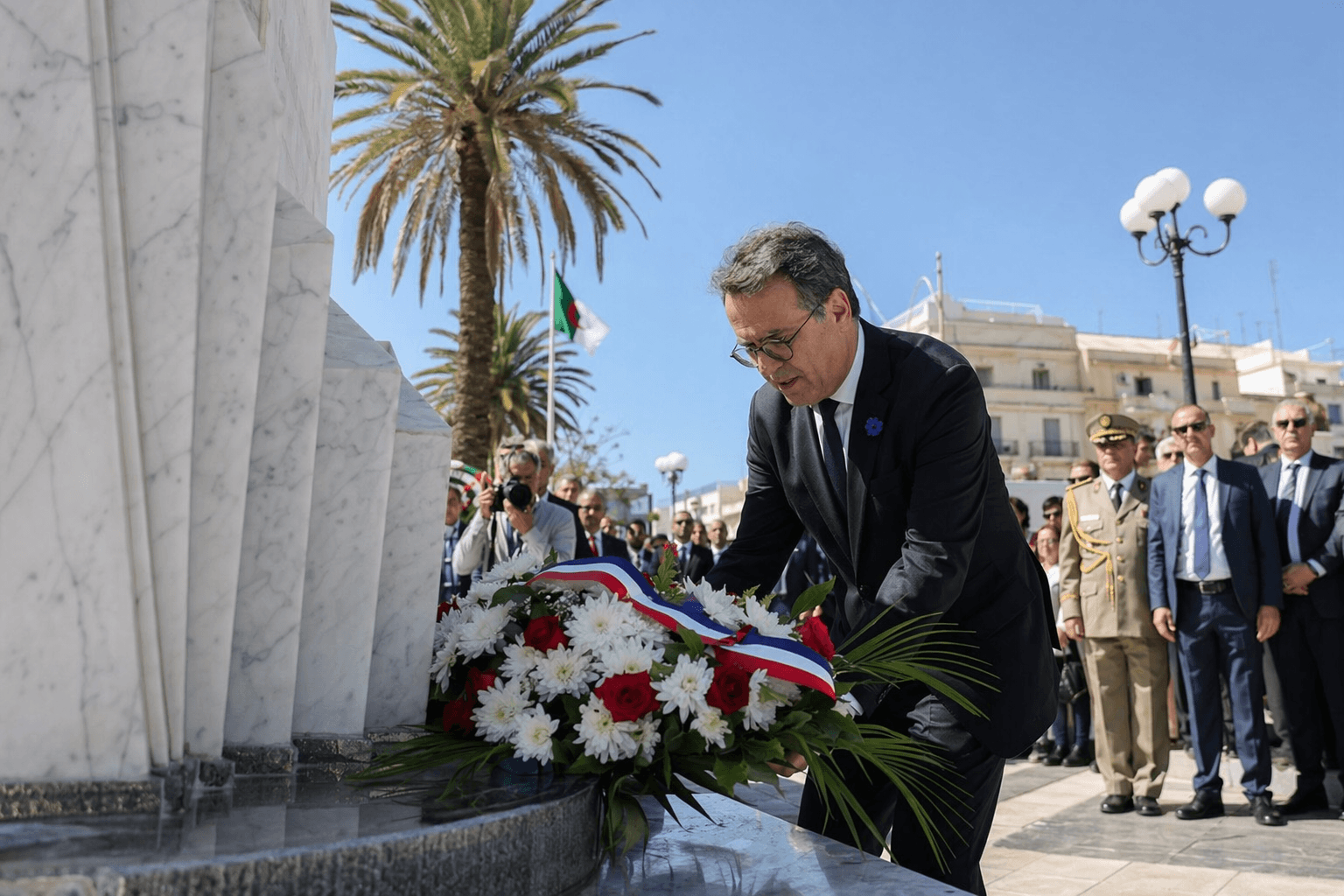
Rufo’s trip to Sétif was meant to carry a different message. The town was the center of the May 8, 1945 repression of mostly Muslim Algerian protesters by French colonial troops, an episode commemorated in Algeria as a turning point on the road to independence. The death toll remains fiercely contested, with Algerian accounts putting the number as high as 45,000 and French estimates commonly ranging from about 1,500 to 20,000. By sending a senior minister to the ceremony, France was acknowledging a chapter of colonial violence that still shapes Algerian political memory.
The symbolism was sharpened by the date itself. May 8 is VE Day in Europe, but in Algeria it also marks the Sétif and Guelma massacres, making it one of the most sensitive dates in the bilateral calendar. The French presidency said the latest move was meant to restore effective dialogue while respecting the memories tied to the relationship, language that suggested a balancing act between commemoration and diplomacy.
The question now is whether those gestures can stabilize concrete disputes or merely pause them. Macron faces pressure to repair post-colonial ties before the end of his term, while Algeria has continued to diversify its partnerships and reduce dependence on Paris in strategic sectors. For now, France has reopened the door to direct contact, but the deeper conflict over Western Sahara and the wounds of 1945 remain firmly in view.
This article was produced by Prism’s automated news system from verified source data, official records, and press releases, then run through automated quality and moderation checks before publishing. The system is built and supervised by the people who set the standards it runs under. Read our full AI policy.
Did this article answer your question?