Peter Magyar to Oust Orbán Loyalists as Hungary Begins New Era
Péter Magyar took office as Orbán’s 16-year rule ended, vowing to sweep out the old guard and reclaim billions in frozen EU funds.
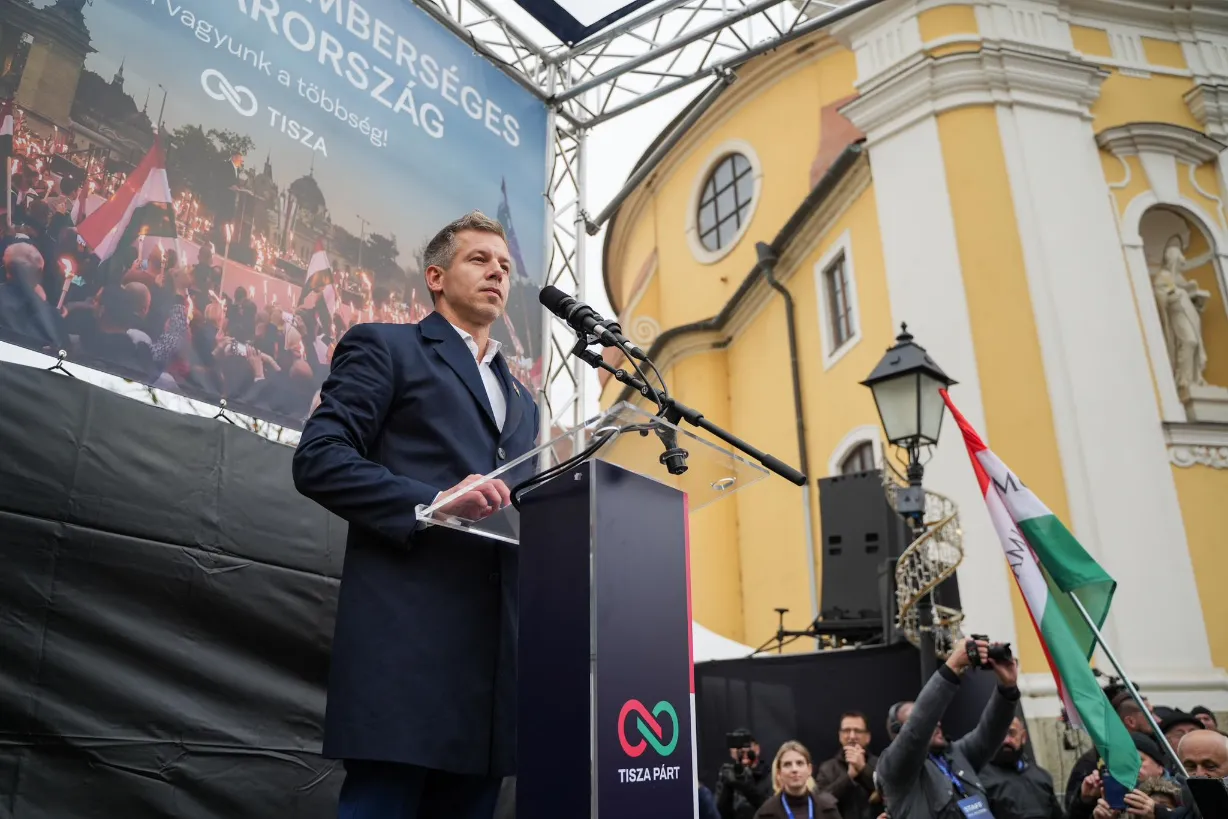
Péter Magyar took office in Budapest on Saturday with a promise to push out the “puppets of the old regime,” a sign that Hungary’s political reset was moving fast from election victory to institutional purge. His Tisza party had already toppled Viktor Orbán’s Fidesz on April 12, winning about 138 of 199 seats and securing what supporters called the strongest mandate in Hungary’s post-Communist history.
The scale of the result matters because it gives Magyar more than symbolism to work with. He enters office after ending Orbán’s 16-year rule and with a parliamentary majority large enough to begin undoing the machinery that helped sustain Fidesz’s grip on the state. Tisza officials said the European Union flag would again be flown on the parliament building’s facade, reversing a 2014 removal that had become a shorthand for Orbán’s nationalist turn.
Magyar has paired that symbolism with a practical agenda aimed at restoring Hungary’s ties with Europe. He said his first foreign trips would be to Warsaw, Vienna and then Brussels, where he will seek release of roughly 17 billion euros, about $20 billion, in frozen EU funds tied to rule-of-law and corruption concerns. He also said Hungary would rejoin the European Public Prosecutor’s Office and restore checks and balances, signaling a direct break with the confrontational posture that defined Orbán’s government.
The new prime minister has also moved to frame the transition as an anti-corruption reckoning rather than a routine change of power. His government plans to create a National Asset Recovery and Protection Office to investigate possible misuse of public funds during the Orbán years, including the enrichment of allies and family members. That effort will test how deeply Fidesz loyalists remain embedded across Hungary’s institutions, from state offices to oversight bodies.

Magyar’s political rise gives that fight unusual credibility. He came out of Orbán’s own orbit and became a national figure after a 2023 audio recording involving his then-wife, former justice minister Judit Varga, surfaced amid allegations of government interference in a corruption case. Analysts said that insider history helped persuade some former Fidesz voters that the system was rotten from within, not merely opposed from outside.
He now inherits a country where the economy has stagnated for four years and where many of Tisza’s nearly 3.4 million voters expect accountability, not just a change of faces. If Magyar can force loyalists out of office, reclaim public money and rebuild ties with Brussels and NATO, Hungary’s new era will be measured less by victory speeches than by whether the old regime’s networks can truly be dismantled, brick by brick.
This article was produced by Prism’s automated news system from verified source data, official records, and press releases, then run through automated quality and moderation checks before publishing. The system is built and supervised by the people who set the standards it runs under. Read our full AI policy.
Did this article answer your question?