France says cruise ship hantavirus matches known South American strain
France sequenced the cruise ship virus and found a known South American Andes strain, easing fears of a new mutation but not explaining how it spread.
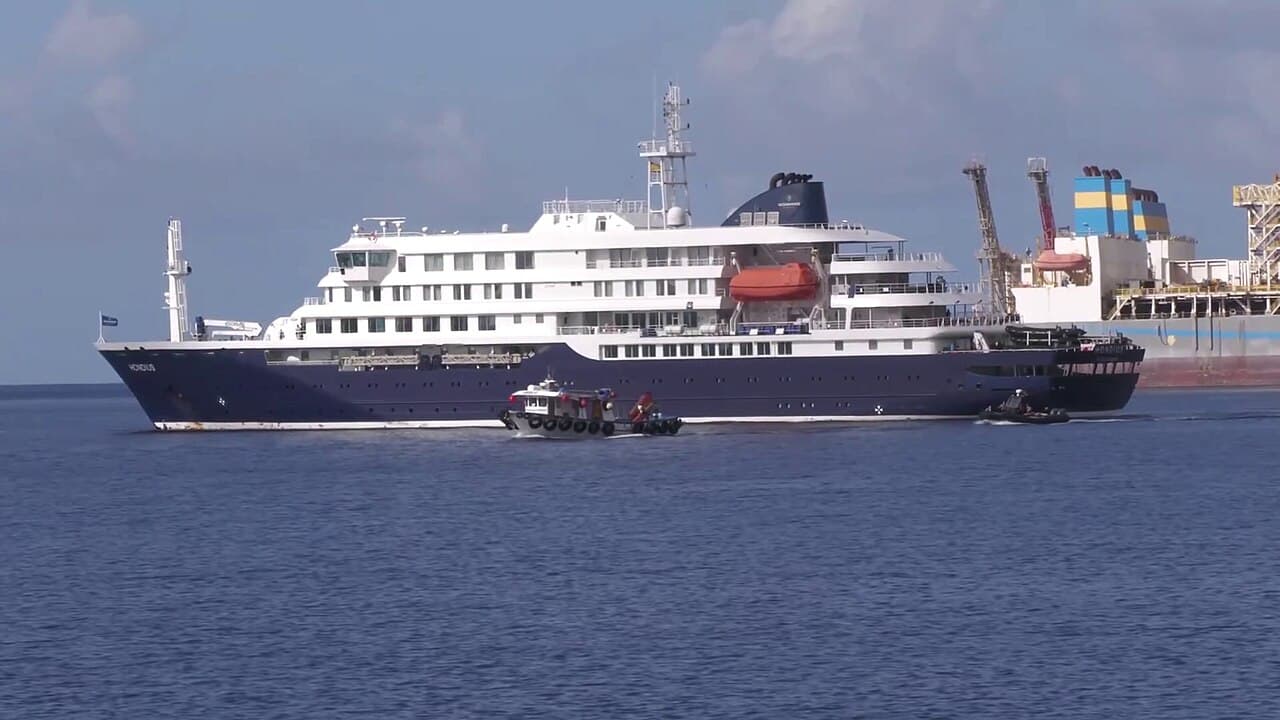
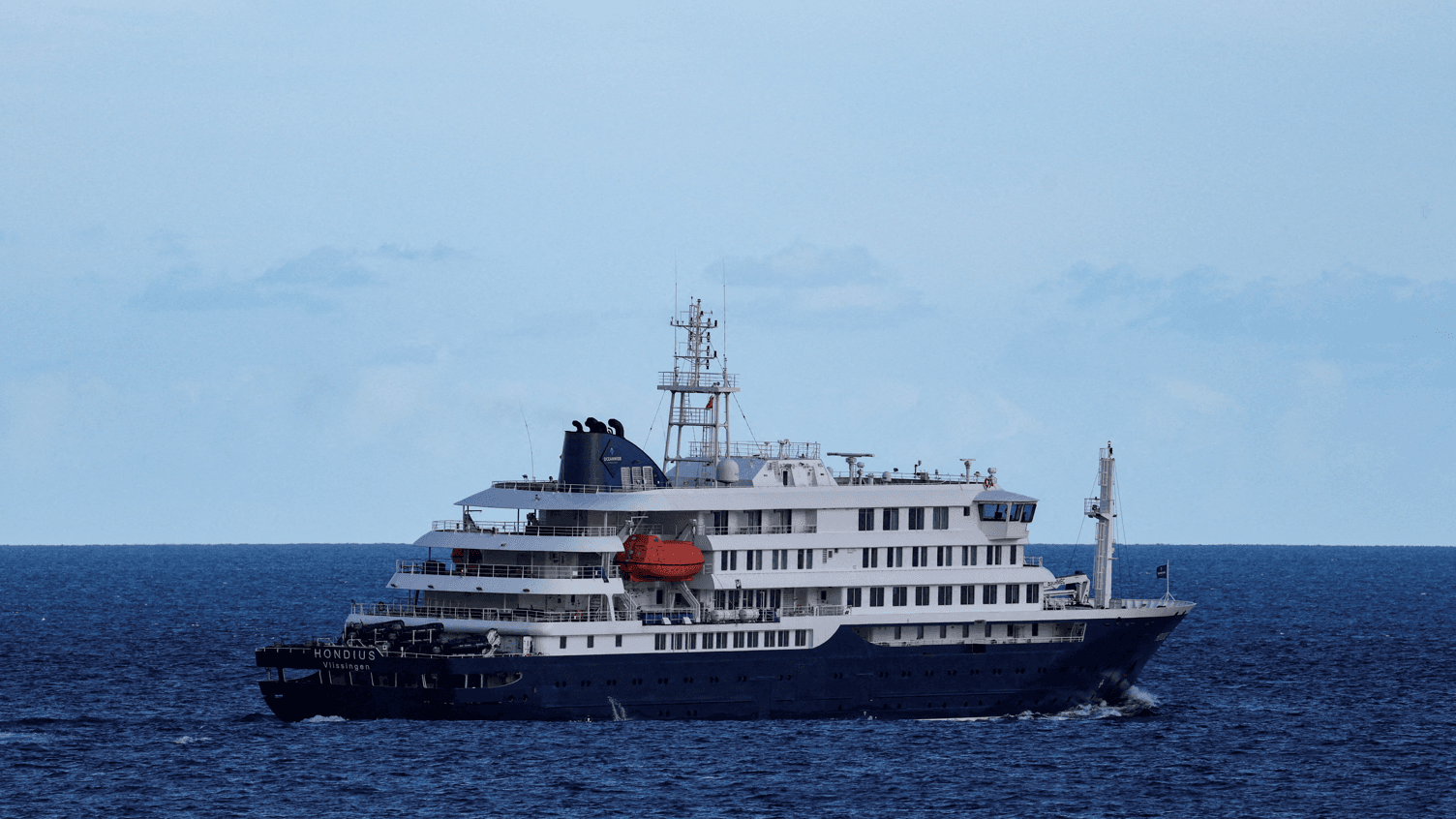
The outbreak aboard the MV Hondius has narrowed around a familiar threat: France’s Pasteur Institute said the Andes virus found in a French passenger matched viruses already known in South America, with no sign of new traits that would make it more transmissible or more dangerous. That finding does not solve the central public-health question of how a deadly respiratory illness moved through a ship carrying 147 passengers and crew from 23 countries.
The World Health Organization said the cluster was first reported on May 2, 2026. By May 4, there were seven identified cases, including two laboratory-confirmed hantavirus infections, five suspected cases, three deaths, one critically ill patient and three people with mild symptoms. WHO said symptom onset in the cluster fell between April 6 and April 28, a spread that points to exposures occurring over days rather than a single obvious event.
France’s health minister, Stéphanie Rist, said the analyzed virus corresponds to strains already known and monitored in South America. French officials and the Netherlands reported that all identified close contacts tested negative, even as monitoring continued because hantavirus can have a long incubation period and severe outcomes. France said 26 people were isolated in hospitals as part of the contact-tracing effort, including 22 close contacts of a Dutch woman linked to the ship and four other passengers under observation.
That combination of reassurance and uncertainty is what matters for travelers. Andes virus is the only known hantavirus with documented limited person-to-person transmission, usually requiring close and prolonged contact. The U.S. Centers for Disease Control and Prevention says it can also spread through rodents, contaminated objects, or, rarely, through contact with a sick person. The public-health lesson is not that every cruise ship poses the same risk, but that fast screening, isolation, ventilation, and rapid international coordination can determine whether an exposure stays contained or moves across borders.
The international dimension was obvious from the start. The European Commission said it was notified of the cluster on May 2 and described the MV Hondius as a Dutch-flagged wildlife expedition ship with passengers and crew from 23 countries, including nine EU and EEA nations. The Pan American Health Organization has also flagged prior suspected human-to-human Andes virus transmission in Argentina and Chile, including outbreaks in Argentina in 1996 and 2018 and in Chile in 1997, 2004 and 2014.
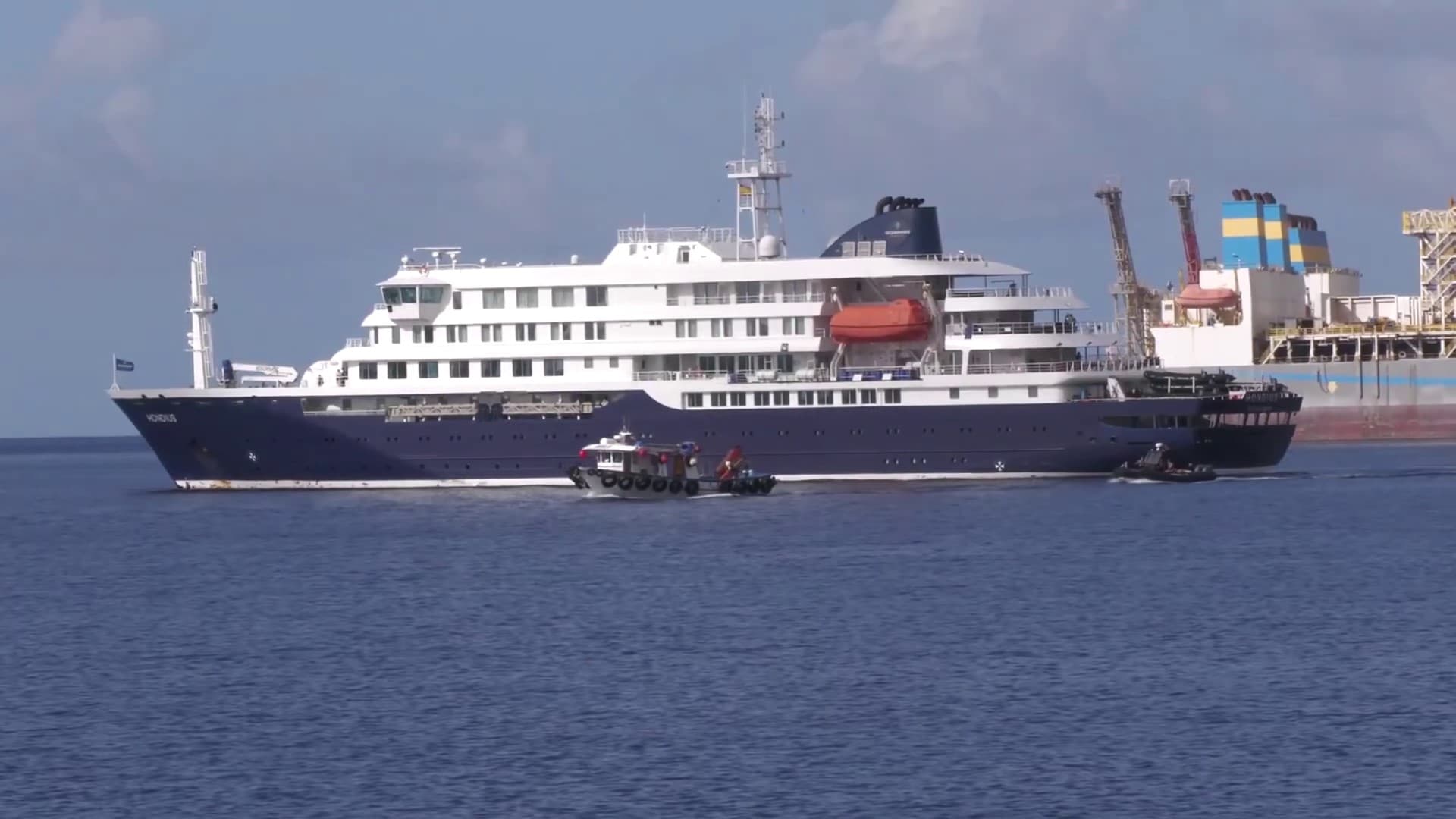
For most travelers, the immediate concern is not a new viral variant but close-contact exposure tied to this specific outbreak. The evidence so far points to a known South American strain under scrutiny, not a newly evolved threat. What remains under investigation is how it spread aboard a ship that moved people, symptoms and public-health responsibility across multiple countries at once.
This article was produced by Prism’s automated news system from verified source data, official records, and press releases, then run through automated quality and moderation checks before publishing. The system is built and supervised by the people who set the standards it runs under. Read our full AI policy.
Did this article answer your question?