France's leading public intellectual Edgar Morin dies at 104
From the Resistance to complex thought, Edgar Morin spent 104 years turning wartime defiance into a public philosophy that shaped France far beyond academia.
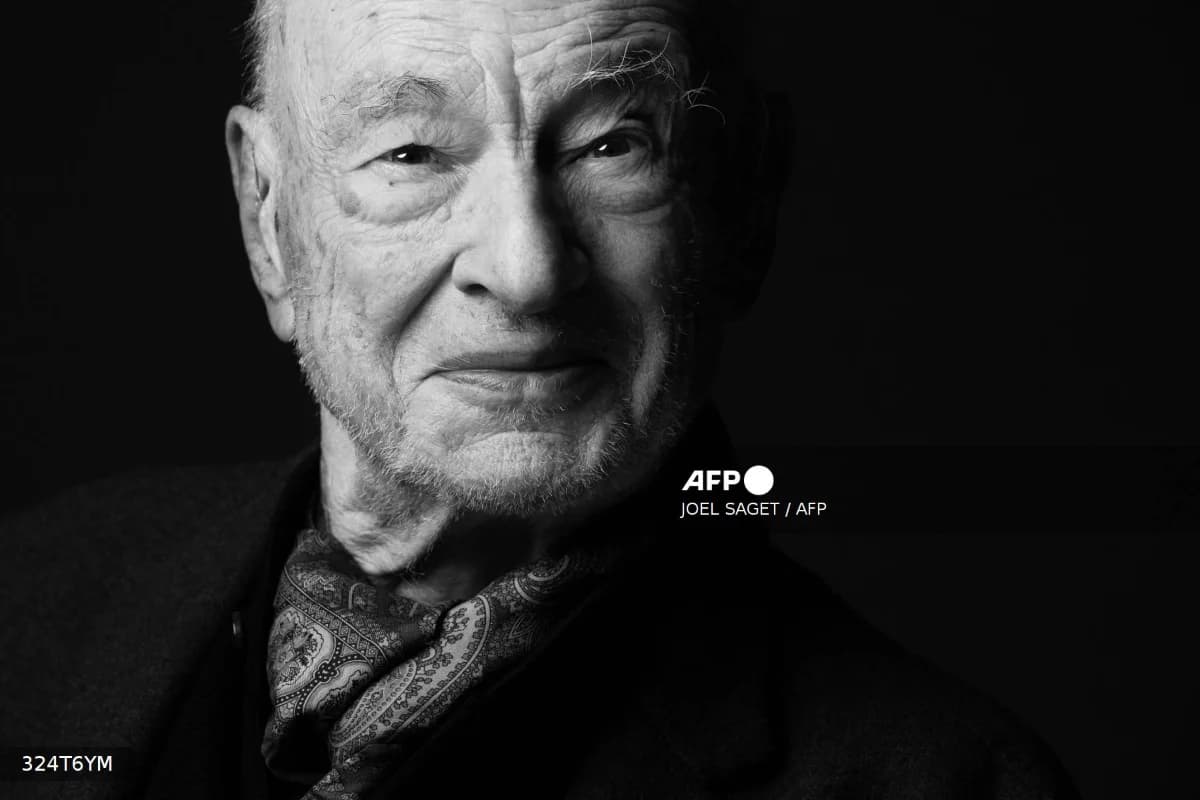
Edgar Morin, the Resistance veteran who became France’s most durable public intellectual, died in Paris on May 29 at the age of 104, closing a life that linked wartime clandestinity, postwar argument and the long French faith in the authority of ideas.
Born Edgar Nahoum on July 8, 1921, in Paris, to a Sephardic Jewish family from Thessaloniki, Morin took the name Morin during his underground activity in World War II. He joined the French Resistance and later built a reputation that reached well beyond his formal disciplines, becoming a reference point for readers, students and policymakers who saw in him an unusually broad moral and intellectual presence.
Morin’s work moved across sociology, philosophy, media studies, ecology, education and systems thinking, and he was associated with both the CNRS and the EHESS. He authored more than 60 books and became best known for “complex thought,” or pensée complexe, an approach that rejected simple answers in favor of interconnected analysis. That outlook made him influential in France and Latin America, where his ideas found an audience among scholars and reformers looking for ways to understand modern crises without reducing them to slogans.
He also left a mark on cinema. In 1961, he helped pioneer cinéma vérité with Chronicle of a Summer, a film that reflected his wider obsession with lived reality, social contradiction and the limits of fixed categories. That same refusal to flatten experience shaped his later writings, which kept returning to intolerance, democracy and the need to connect knowledge across fields.
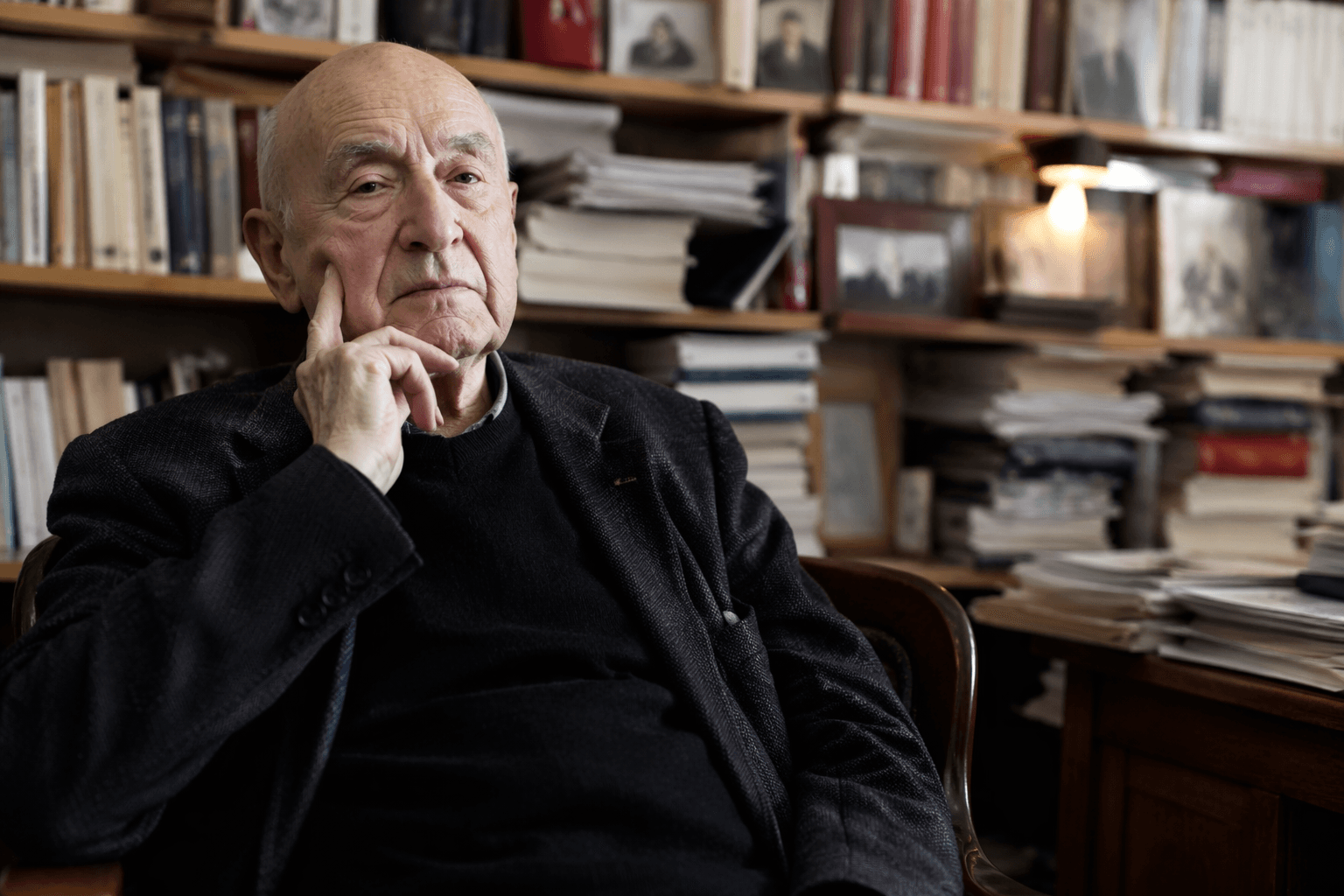
Tributes after his death came from across France’s political and cultural spectrum. President Emmanuel Macron praised him; UNESCO, where Morin delivered a centenary lecture in 2021, said his ideas reflected its ideals and described him as a close friend of the organization. The Festival d’Avignon called him a Resistance fighter, sociologist, philosopher and “poacher of knowledge.” Jean-Luc Mélenchon and other figures also paid tribute, underscoring how deeply Morin’s name had entered public life.
Morin mattered in France because he represented a kind of public intellectual increasingly rare now: a figure who could move from history to science, from politics to ethics, and still command attention outside the university. In a country that has long treated intellectual debate as part of civic life, his death marks the loss of a bridge figure between the Resistance generation, postwar Europe and today’s arguments over complexity, crisis and moral authority.
This article was produced by Prism’s automated news system from verified source data, official records, and press releases, then run through automated quality and moderation checks before publishing. The system is built and supervised by the people who set the standards it runs under. Read our full AI policy.
Know something we missed? Have a correction or additional information?
Submit a Tip