Lucian Freud portrait of Sue Tilley heads to Sotheby’s, may fetch $47 million
A Lucian Freud portrait of Sue Tilley will go under the hammer in London with an estimate up to $47 million, built on biography as much as paint.
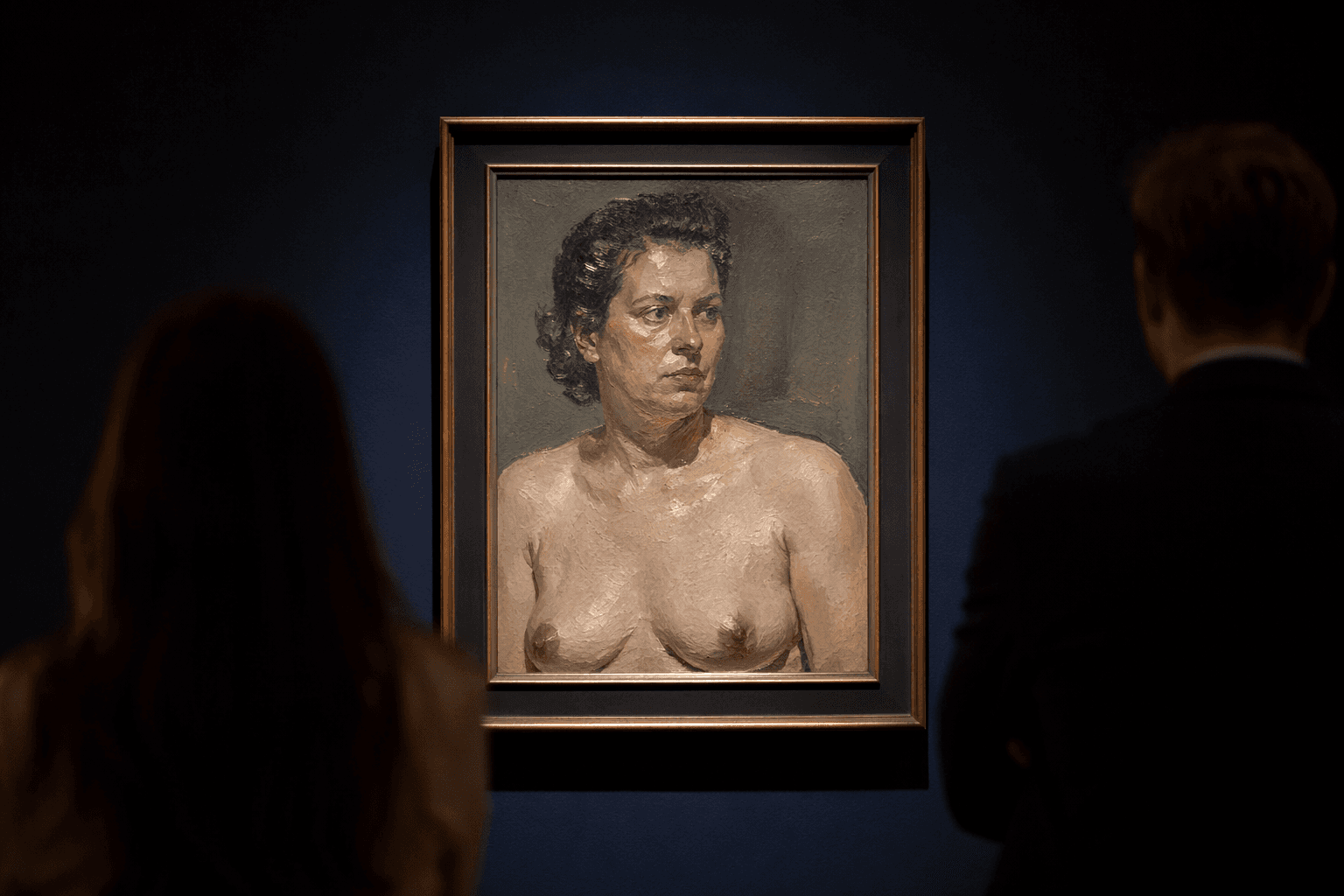
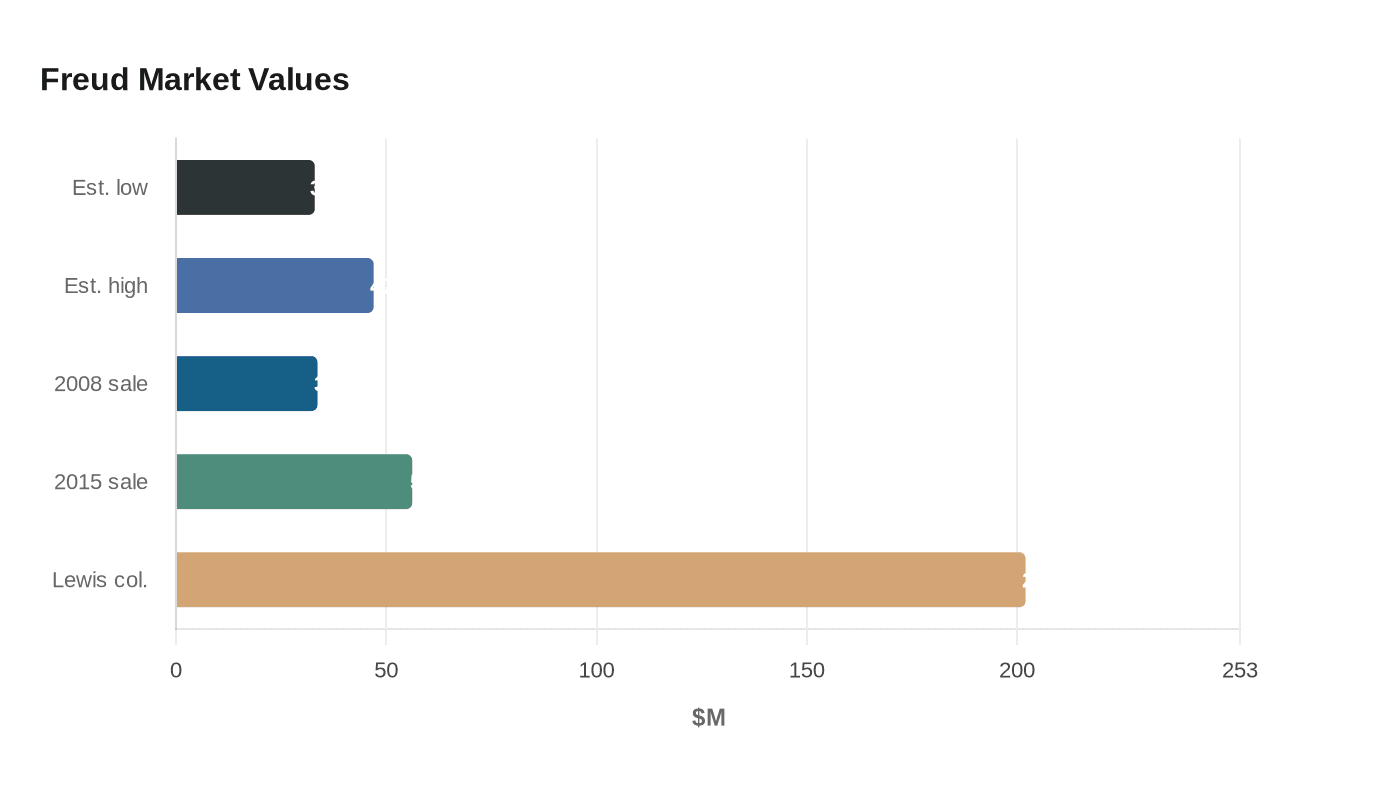
Sotheby’s is preparing one of the spring’s biggest art-market tests: Lucian Freud’s Sleeping by the Lion Carpet, a 1995-96 portrait of Sue Tilley, will come to auction in London on June 24 with an estimate of £25 million to £35 million, or about $33 million to $47 million. The painting is the final and most ambitious work in Freud’s four-part “Benefits Supervisor” series, and Sotheby’s is placing it at the center of the Lewis Collection, which carries a total estimate of more than £150 million, or $202 million.
The work’s financial weight rests on a story that has become inseparable from the picture itself. Tilley met Freud through her friend Leigh Bowery, the Australian performance artist who also sat for Freud, while she was working in an unemployment office. From that ordinary setting came one of the most recognizable relationships in postwar portraiture. Tilley has said sitting for Freud three times a week for about nine months changed her life, and she has also said she has not received any of the money generated by the portraits at auction.
That history has already been validated by the market. Benefits Supervisor Sleeping sold at Christie’s in New York on May 13, 2008 for $33,641,000, setting a then-record for a living artist. Seven years later, Benefits Supervisor Resting, painted in 1994, sold at Christie’s in New York on May 13, 2015 for $56,165,000. Those results frame the new estimate not as speculation, but as a continuation of a proven appetite for Freud’s large-scale figurative work when the subject, provenance and artist all carry weight.
Sotheby’s has called Sleeping by the Lion Carpet a defining painting in Freud’s career, and art critic Martin Gayford described it as “the most important work that Freud has ever painted.” Freud died in 2011 at age 88, but his market remains anchored by the force of these portraits, which turn a single sitter into a lasting commercial asset. In this case, the asset is also a biography: Tilley’s move from a Bethnal Green office job to the center of Freud’s studio became part of art history, and the auction house is betting that the story still helps convert prestige into price.
This article was produced by Prism’s automated news system from verified source data, official records, and press releases, then run through automated quality and moderation checks before publishing. The system is built and supervised by the people who set the standards it runs under. Read our full AI policy.
Know something we missed? Have a correction or additional information?
Submit a Tip