France's wine harvest faces early, smaller crop after heat and drought
Heat and drought have left Champagne, Bordeaux and Burgundy facing smaller grapes, with some sites in Champagne possibly picking as early as August 10.
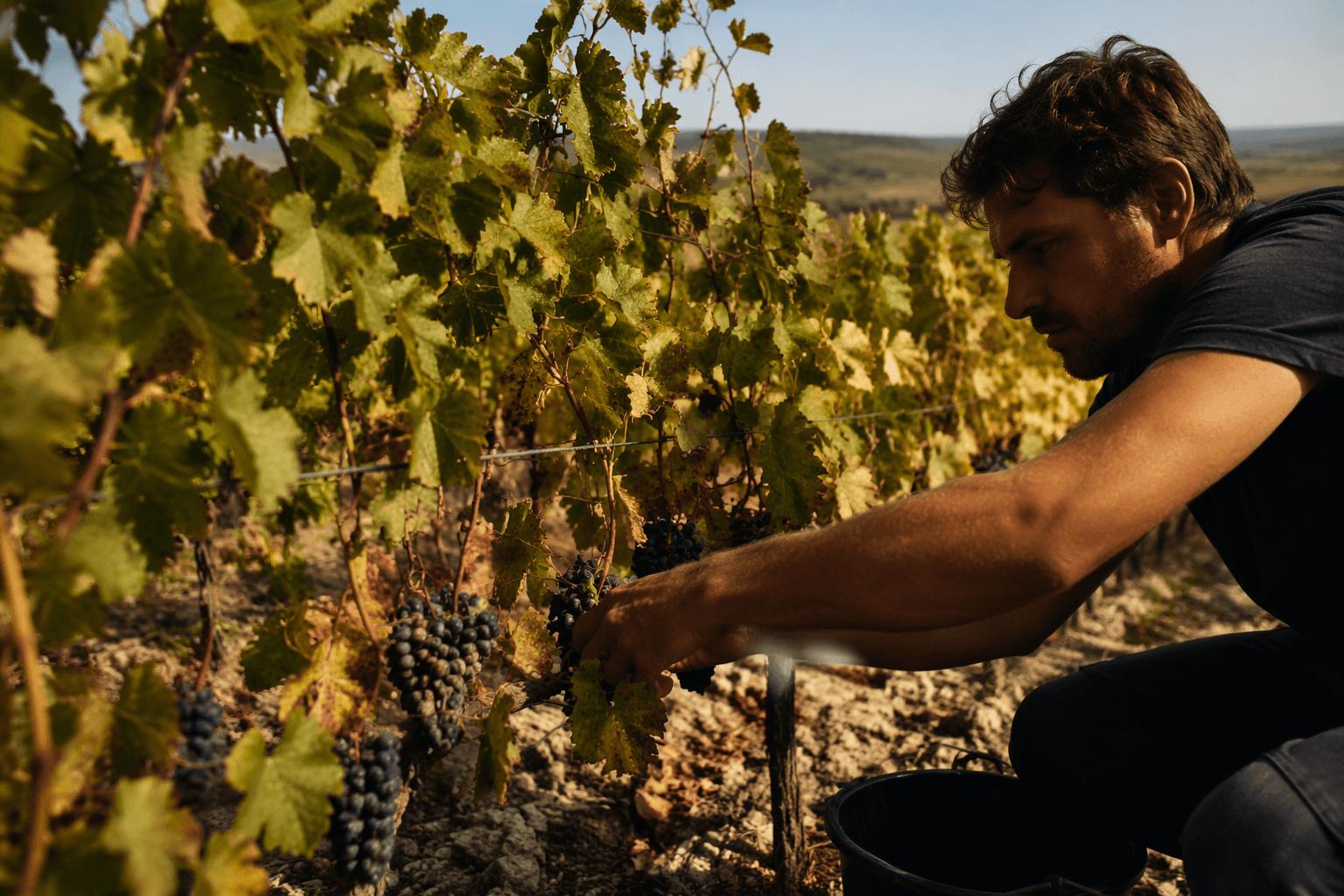
A late-June heatwave and more hot, dry weather slowed grape growth in Champagne, Bordeaux and Burgundy and damaged younger vines. The main threat is water stress, not a single storm or disease outbreak, and the result could be an early, smaller crop across some of the country’s most watched wine regions.
In Champagne, yields are expected to come in about 10% below last year even though stored reserves may soften part of the blow. Pickers are expected to start around August 15, which would be far earlier than the season that was typical a few decades ago and close to the region’s official earliest harvest record of August 17, 2020. In warmer sites, some growers are already eyeing August 10. Maxime Toubart, who represents Champagne growers, said the grapes were “not getting any bigger.”
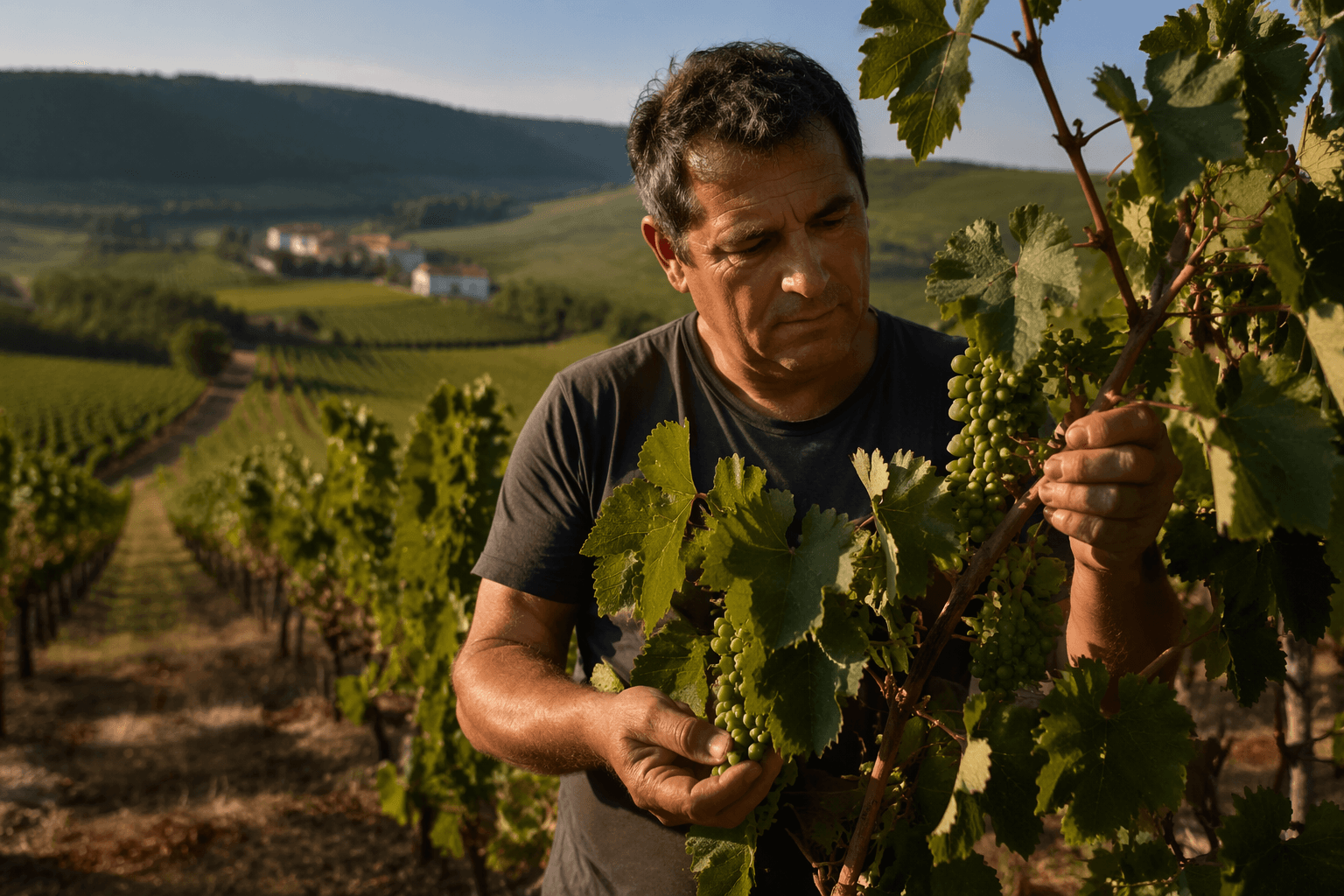
The pressure is spreading beyond Champagne. Laurent Delaunay, who chairs Burgundy’s wine industry body, the Bureau Interprofessionnel des Vins de Bourgogne, said the crop potential was “melting away in the sun.” In Bordeaux, first grapes for Crémant de Bordeaux, the sparkling wine made under an official appellation dating to 1990, could be picked in the first week of August. Burgundy’s first picking is now expected around August 20. Declines in Bordeaux and Burgundy could be significant, even if quality does not automatically fall with volume because heat can also push sugar levels higher, changing flavor and alcohol content.
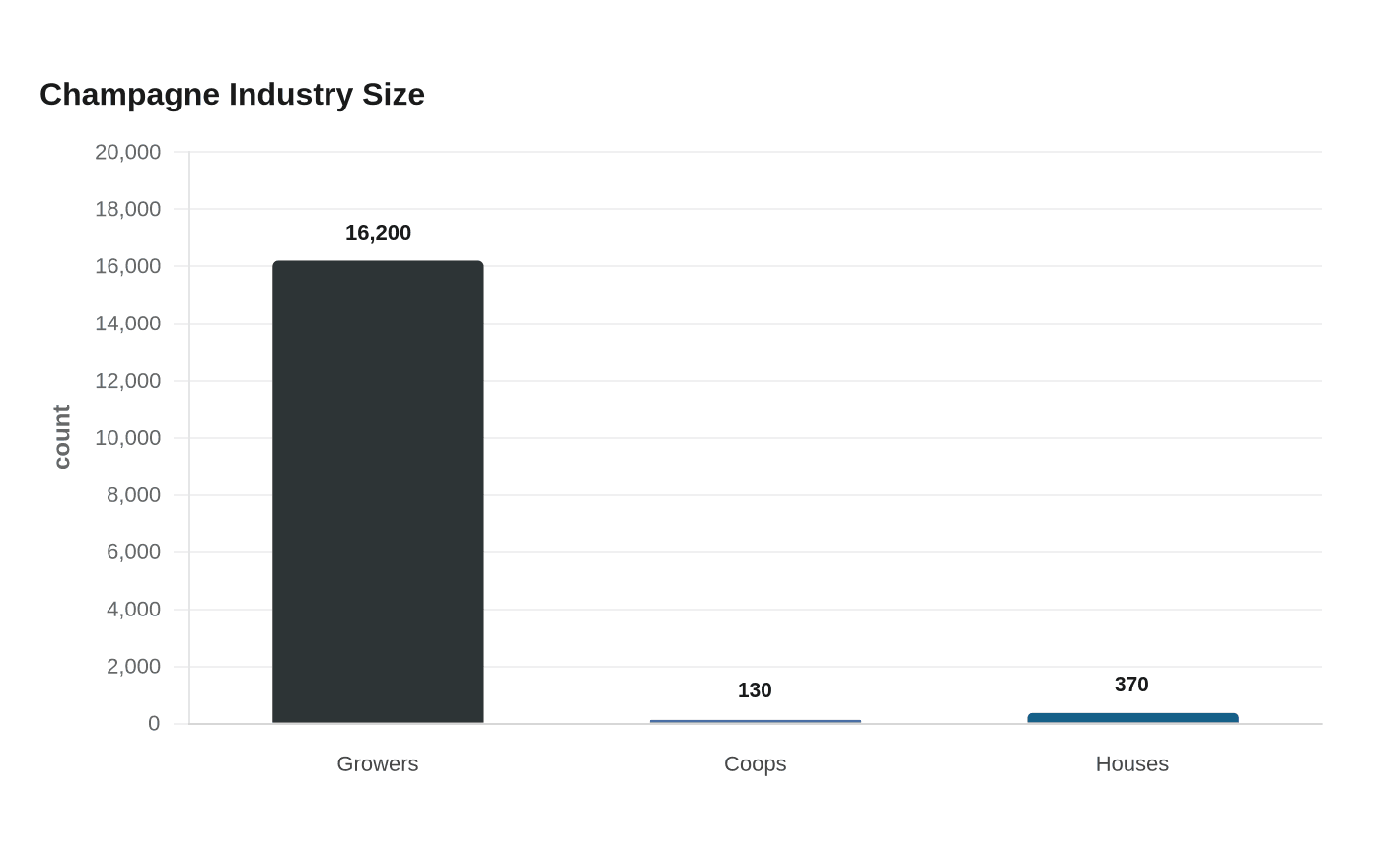
France is the world’s second-largest wine producer, and the Comité Champagne speaks for about 16,200 growers, 130 cooperatives and 370 Champagne houses. Drought conditions worsened across much of Europe in mid-June, with alert conditions emerging or persisting in France, according to the EU Drought Observatory.
France’s agriculture ministry had already cut its 2025 wine output forecast to 37.4 million hectolitres, 3% above 2024 but 13% below the five-year average, after hot, dry weather and reduced vineyard area hit production. With little or no rain expected in major wine-growing areas before July 14, growers face a dry spell that could stretch past three weeks in some places.
This article was produced by Prism’s automated news system from verified source data, official records, and press releases, then run through automated quality and moderation checks before publishing. The system is built and supervised by the people who set the standards it runs under. Read our full AI policy.
Did this article answer your question?