China, Japan trade conflicting accounts of Senkaku islands clash
A Japanese fishing boat and two Chinese coast guard ships traded accusations near the Senkakus, where one misread move can rattle the U.S.-Japan alliance.
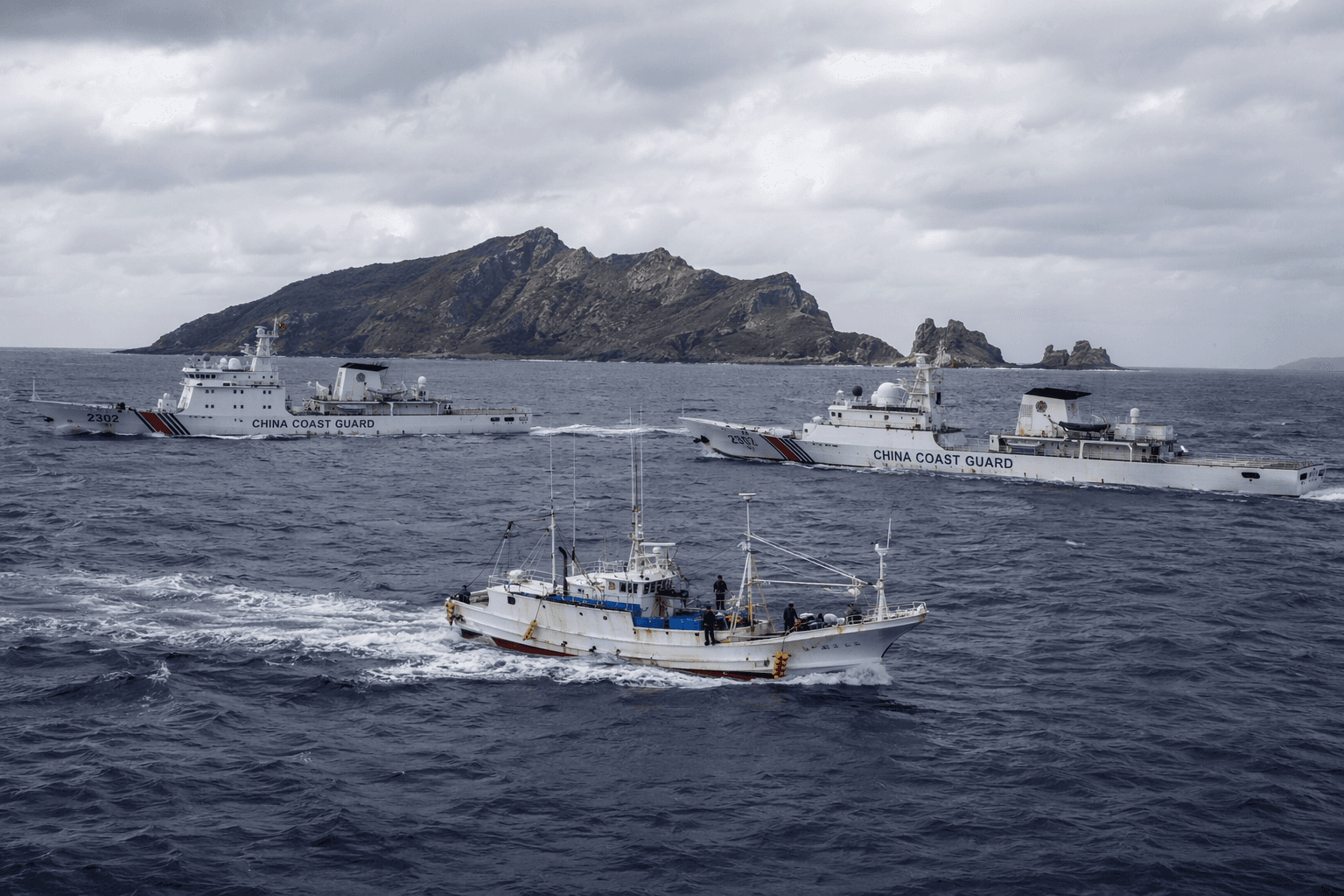
A Japanese fishing vessel and two Chinese coast guard ships set off dueling accounts near the Senkaku Islands on Tuesday, with Tokyo saying its coast guard intercepted the Chinese vessels after they approached the boat and Beijing saying it expelled the Japanese vessel from waters it claims as its own.
Japan’s coast guard said four Chinese vessels were operating near the islands and that two entered waters Tokyo considers its territorial waters. It said the Chinese ships were moving toward the fishing boat, which carried two crew members, before Japanese authorities expelled them. Japan’s foreign ministry has repeatedly said China Coast Guard ships around the islands have tried to change the status quo by force or coercion, and Tokyo says the islands are an inherent part of its territory, with Chinese coast guard activity there violating international law. Japan has also said it will respond calmly and resolutely under domestic and international law.
The islands sit in a dispute that goes far beyond a single patrol. China calls the group the Diaoyu Islands, while Taiwan calls them the Diaoyutai Islands. Britannica describes the Senkaku Islands as five islands and three rocks with a total land area of about 2.7 square miles, or 7 square kilometers, lying roughly 170 kilometers northeast of Taiwan and about the same distance north of Ishigaki Island in Okinawa Prefecture. Japan incorporated the islands in 1895, the United States later administered them after World War II, and administrative control returned to Japan in 1972. Tensions sharpened after Japan’s 2012 nationalization move.
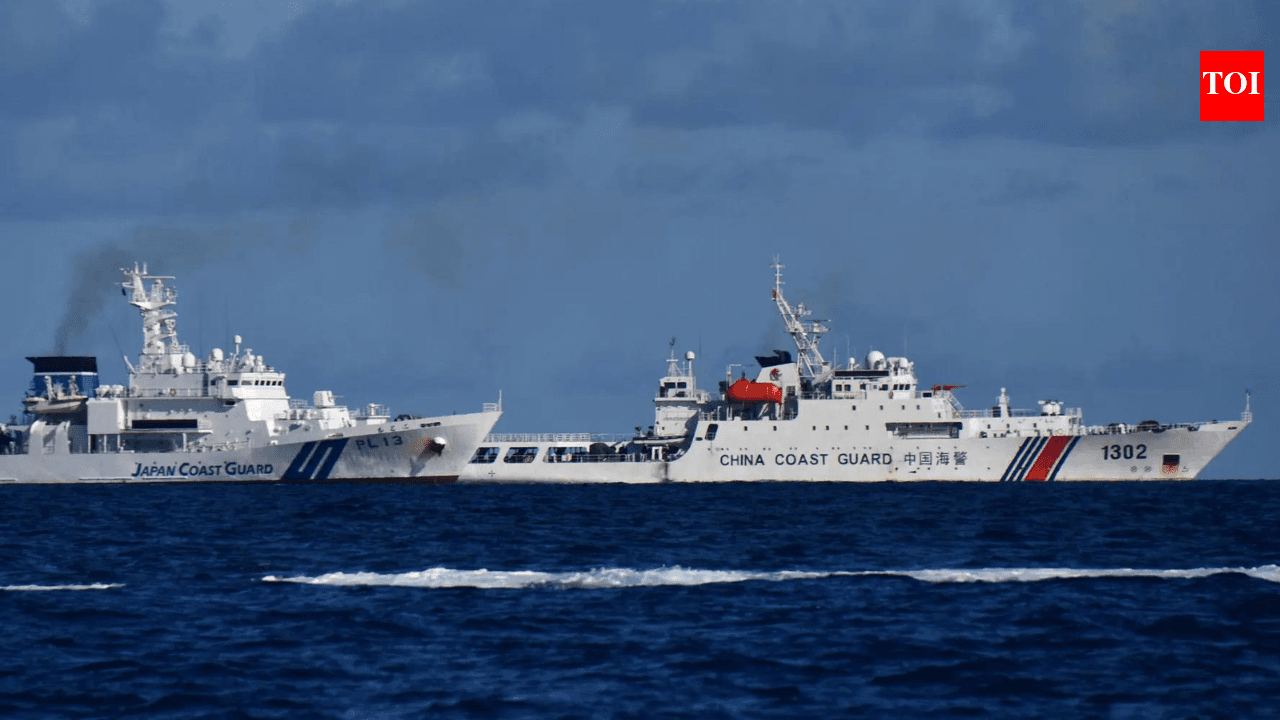
The latest clash also lands in a region where coast guard patrols can become a proxy for bigger security contests. Congressional Research Service materials have warned that Senkaku tensions could implicate the U.S.-Japan alliance, and they note that some geologists believe the surrounding area may hold oil and natural gas deposits. With both governments committed to their territorial claims, even a short encounter between patrol ships and a fishing boat can create the kind of miscalculation that turns a routine maritime stop into a broader crisis in the East China Sea.
This article was produced by Prism’s automated news system from verified source data, official records, and press releases, then run through automated quality and moderation checks before publishing. The system is built and supervised by the people who set the standards it runs under. Read our full AI policy.
Did this article answer your question?