Tankers attacked in Strait of Hormuz as U.S.-Iran tensions flare
Tankers were hit in the Strait of Hormuz off Oman, and oil prices jumped more than 2% as the narrow waterway again threatened global energy flows.
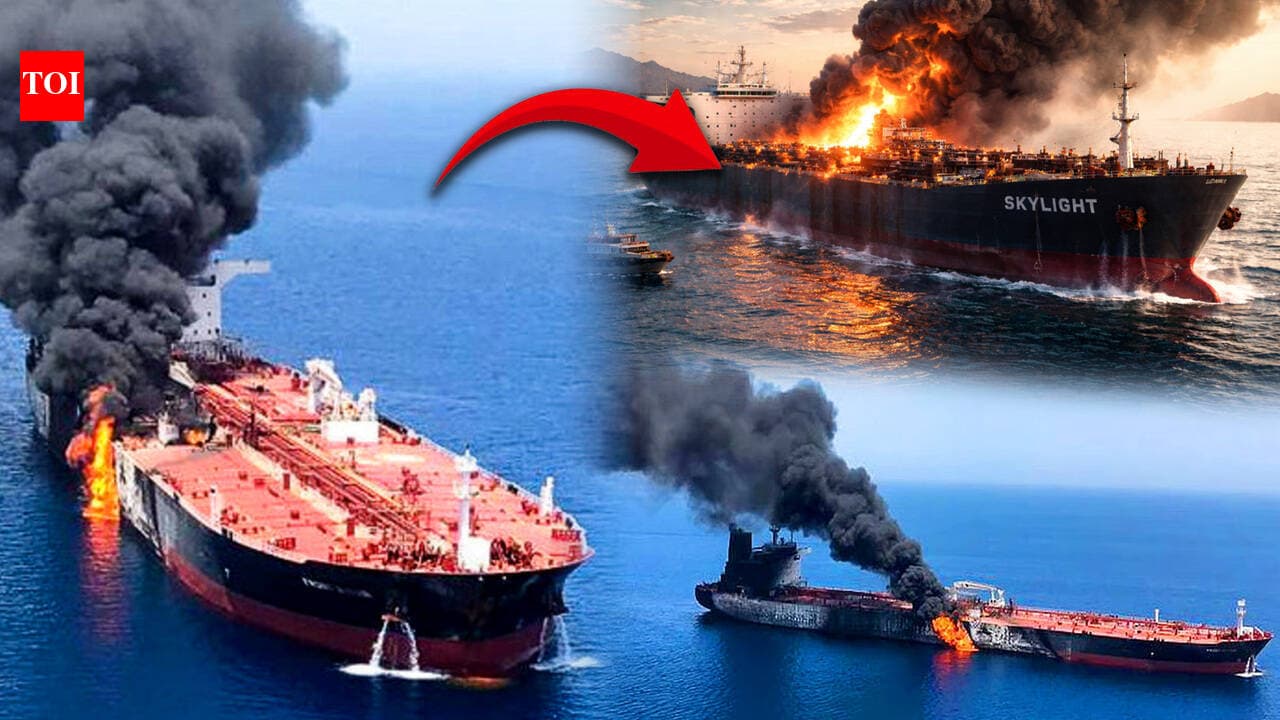
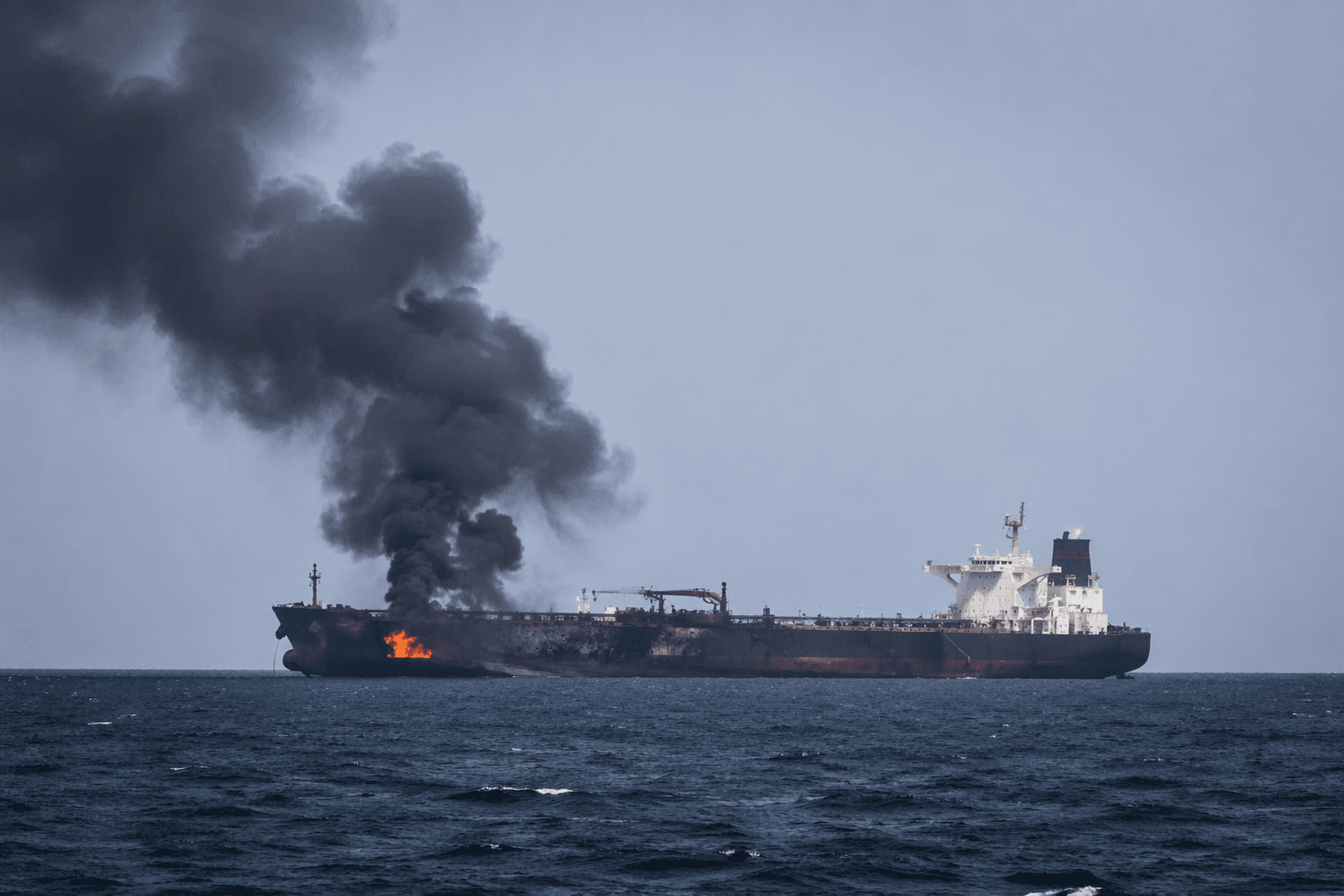
At least one tanker caught fire and two more vessels were damaged in the Strait of Hormuz off Oman, sending oil prices more than 2% higher and jolting a route that carries about a fifth of the world’s oil and LNG shipments. The flare-up immediately sharpened concerns over shipping insurance and the risk of higher U.S. fuel costs if traffic through the strait is disrupted again.
The British military said a tanker was struck by a projectile and caught fire. UK Maritime Trade Operations reported additional vessels hit in the same area on Tuesday, July 7, 2026. A Qatari LNG tanker, the Al Rekayyat, sent distress signals after being struck on its port side, and a Saudi-flagged crude tanker was also damaged. No casualties were reported.
The attacks came after the United States and Iran agreed on June 28 to halt recent hostilities in the Gulf and renew talks over their dispute on the Strait of Hormuz. That fragile understanding was already under strain after Iran’s joint military command warned oil tankers to use approved routes or face a “forceful response.”
A U.S. official said Iranian missiles struck two commercial ships, while Iranian officials had not immediately commented. The reports landed in a waterway that is central to global energy markets and has repeatedly become a flashpoint whenever regional tensions rise.
Iranian Foreign Minister Abbas Araghchi has said Tehran will not resume negotiations with Washington unless Israel stops strikes in Lebanon and fully withdraws from Lebanese territory. That stance tied the talks to broader regional demands and left the diplomatic track intertwined with the fighting extending across the Middle East.
For oil markets, the immediate effect was clear: prices moved higher as traders weighed the chance of further attacks on commercial shipping. For governments and shippers, the deeper risk is that the Strait of Hormuz, one of the world’s most important energy chokepoints, remains exposed to escalation even when talks are formally back on the table.
This article was produced by Prism’s automated news system from verified source data, official records, and press releases, then run through automated quality and moderation checks before publishing. The system is built and supervised by the people who set the standards it runs under. Read our full AI policy.
Did this article answer your question?