Nigeria probes Meta, Alphabet and X over news use allegations
Nigeria opened a probe into Meta, Alphabet, X and AI platforms over alleged use of news without consent, putting publisher payments and bargaining power in play.
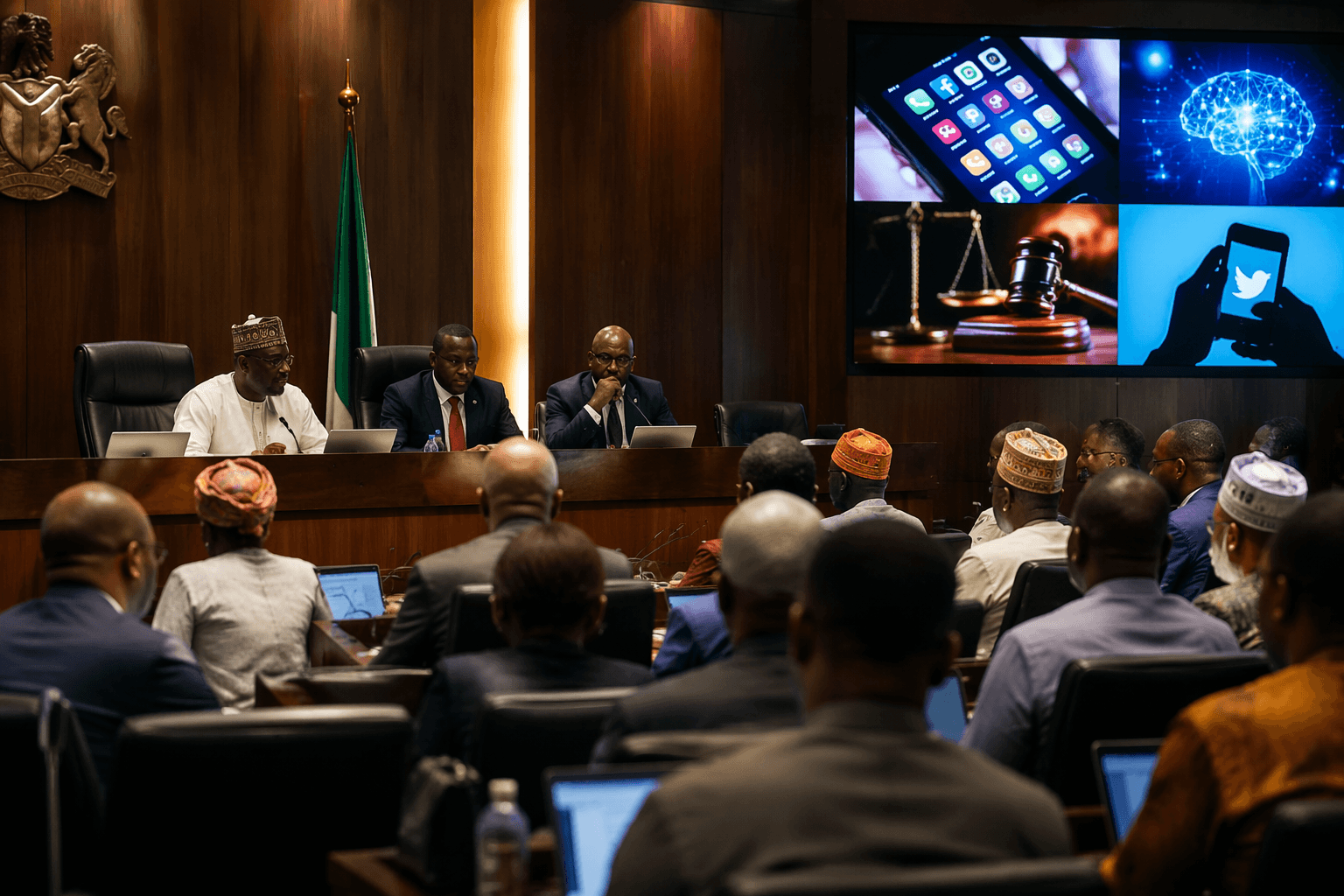
Nigeria’s competition watchdog has opened an inquiry into Meta, Alphabet, X and generative AI platforms after President Bola Tinubu directed it to act on a joint petition from the Nigerian Press Organisation. The Federal Competition and Consumer Protection Commission said the complaints involve anti-competitive practices, “unlawful exploitation of news content” and other potentially unfair market conduct.
The commission said the probe would examine whether the companies are undermining fair competition, the commercial viability of Nigerian media organizations and the rights of content creators and publishers. The Nigerian Press Organisation, which brings together the Newspaper Proprietors’ Association of Nigeria, the Nigeria Union of Journalists, the Broadcasting Organisations of Nigeria and the Guild of Corporate Online Publishers, had pressed the case through a joint petition. The FCCPC said the inquiry does not presume wrongdoing and that all affected parties will have a chance to present information before any conclusion is reached.
The investigation lands in a fragile media economy. The Reuters Institute for the Study of Journalism says Nigeria now has more than 80 locally owned digital news outlets or startups, including Pinnacle Daily, which launched in October 2025, but the sector is under pressure from declining advertising revenue, rising costs and regulatory headwinds. Industry groups have warned of a possible media collapse and have sought policy support, fiscal relief and tariff relief on newsprint and broadcasting materials. The scale of Nigeria’s online market makes the issue financially significant: World Bank and International Telecommunication Union data show 41% of Nigerians used the internet in 2024, while DataReportal estimated 150 million cellular mobile connections in early 2025.
The FCCPC is not new to a confrontation with Big Tech. On July 19, 2024, it imposed a $220 million administrative penalty on Meta Platforms and WhatsApp after a joint investigation into alleged antitrust, data protection and consumer protection violations. A tribunal later upheld the major parts of that order and awarded the commission $35,000 in investigation costs.
Nigeria’s move also fits a wider international push to force technology platforms to negotiate or pay for journalism they surface and monetize. Australia’s News Media and Digital Platforms Mandatory Bargaining Code became law in 2021, France fined Google €250 million in 2024 in a news copyright and neighbouring-rights dispute, and Canada’s Online News Act was designed to require large digital platforms to bargain fairly with news businesses. In South Africa and elsewhere, regulators and publishers have been pressing the same basic point: news has value, and access to it should not be free by default.
This article was produced by Prism’s automated news system from verified source data, official records, and press releases, then run through automated quality and moderation checks before publishing. The system is built and supervised by the people who set the standards it runs under. Read our full AI policy.
Did this article answer your question?