French court convicts Lafarge for funding terrorism in Syria, fines company
A Paris court found Lafarge guilty of financing terrorism in Syria and fined it €1.125 million, deepening a global reckoning over war-zone profits.
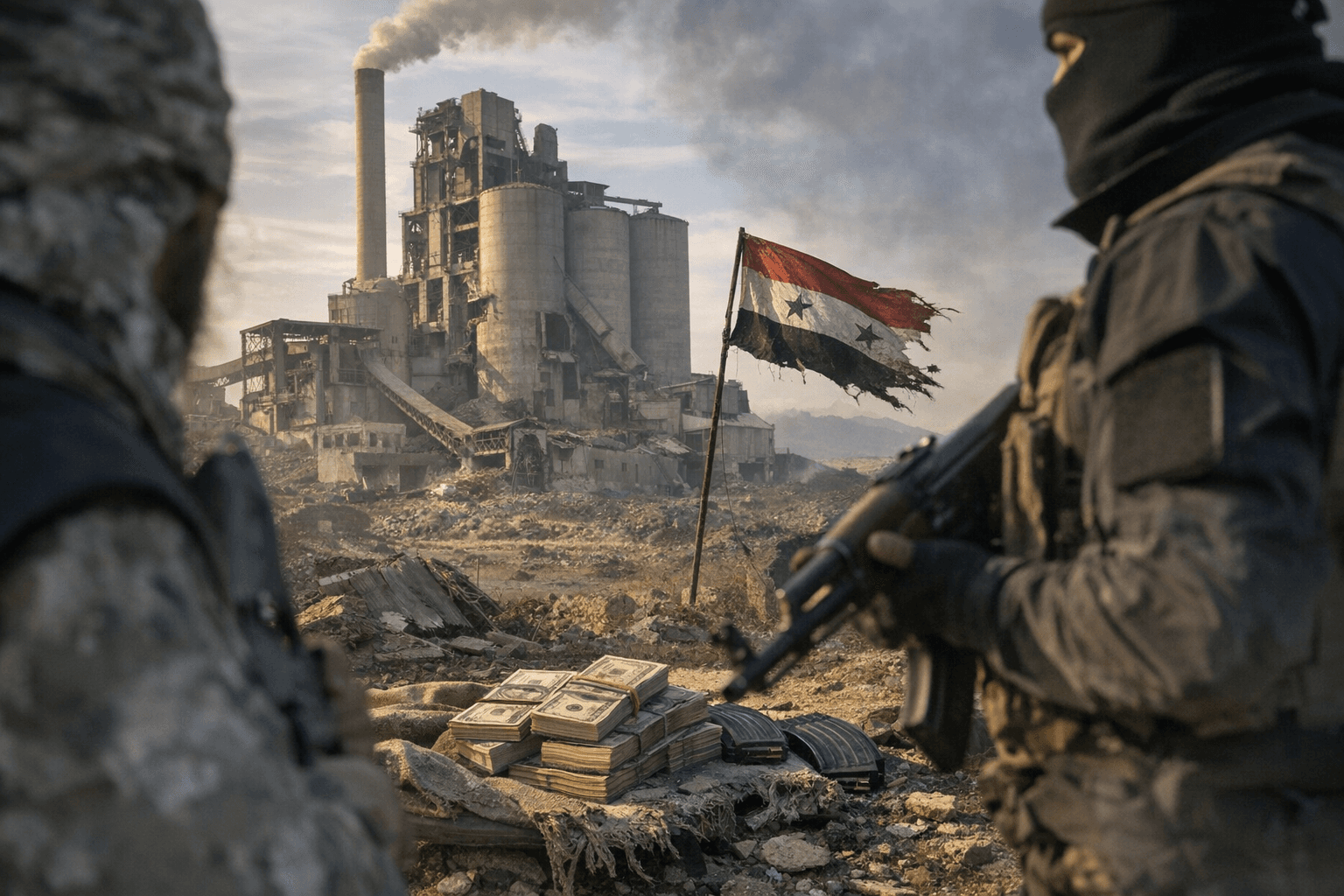
A Paris court turned Lafarge’s Syria strategy into a criminal case on Monday, finding the cement maker guilty of financing terrorism through its Syrian subsidiary and of violating European sanctions. The court fined the company the maximum €1.125 million and sentenced former chief executive Bruno Lafont to six years in prison.
Judges said Lafarge paid armed groups, including the Islamic State, to keep its northern Syria plant running during the civil war. The disputed payments were made between 2013 and 2014 and, by estimates cited by rights groups, totaled about €5.5 million to €5.6 million. Police officers were present in the courtroom as the verdict was read, and Lafont was taken from the defense table when the ruling was announced.
The decision reached far beyond one French company. Lafarge is now owned by Switzerland’s Holcim, and the verdict followed a 2022 case in the United States in which the company pleaded guilty and agreed to pay a $778 million fine over material support charges. Together, the two cases show how a business decision once treated as a murky cost of operating in a war zone can become a criminal liability carrying penalties across borders.
The court also convicted eight former employees, with prison terms imposed on some of them, according to reports from Reuters and other outlets. For advocates, the ruling marked a watershed in corporate accountability, especially because it came roughly a decade after complaints were filed by Sherpa, the European Center for Constitutional and Human Rights, and former Syrian employees.
Those groups said the Paris ruling confirmed that courts are prepared to treat profits extracted from conflict zones as more than a moral failure. It also lands in a legal environment that has grown tougher on corporate conduct in France, where the Duty of Vigilance Law has already produced other major courtroom tests for multinational firms.
Yet the human and financial fallout is not finished. Former Syrian employees are still seeking compensation, even as the company faces a second major criminal judgment over the same wartime conduct. For boardrooms that once saw conflict zones as morally gray markets, the message from Paris is sharper now: exposure can follow the money long after the guns fall silent.
Sources:
Know something we missed? Have a correction or additional information?
Submit a Tip