French Factory Closures Jump 30%, Driven by Asian Competition and U.S. Tariffs
~160 French factories shut last year, nearly 30% more than the year before, as Asian competition and U.S. tariffs compound decades of industrial erosion.
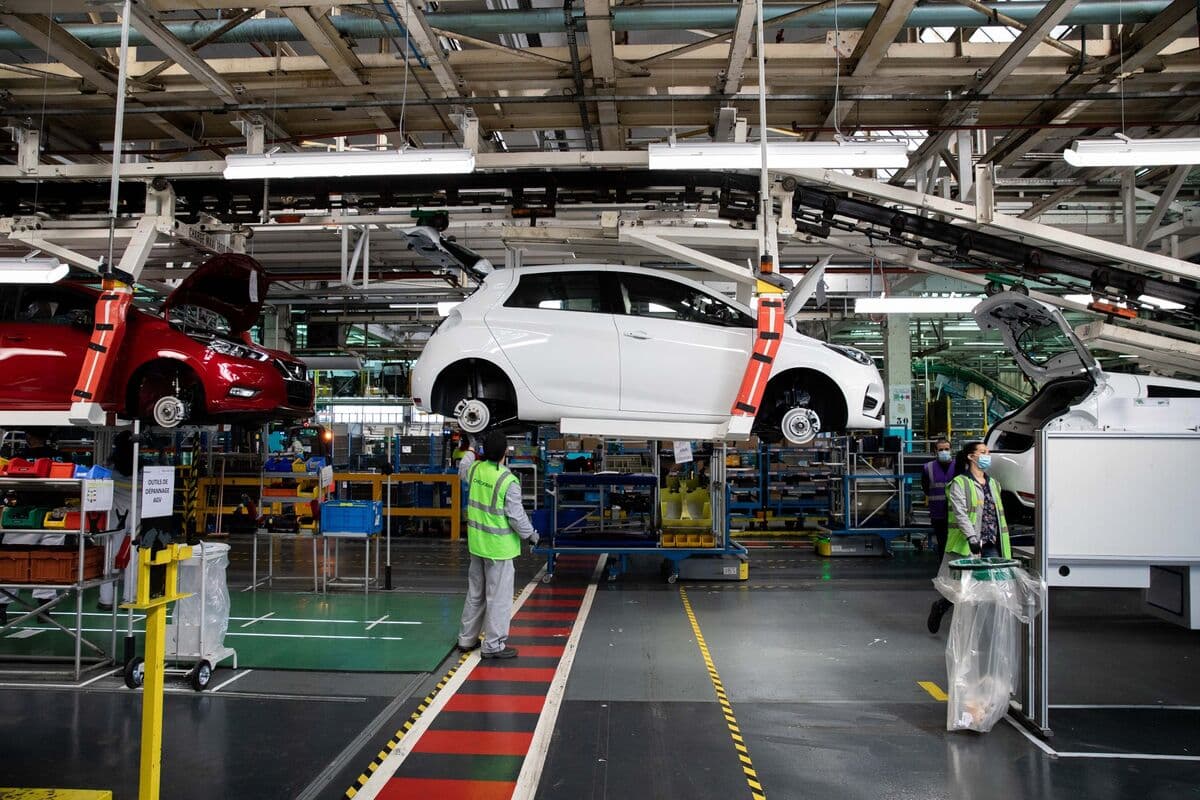
France shuttered roughly 160 manufacturing plants last year, nearly 30% more than the 121 that closed the year before, as lower-cost competition from Asia and the cascading effects of U.S. tariffs on European goods stripped demand from factories already operating on thin margins.
The figures, drawn from French government statistics, point to a convergence of pressures that has accelerated the country's industrial decline. An industry contact described the situation plainly: "the combination of cost differentials and trade headwinds is forcing difficult choices" for firms unable to shift quickly enough toward higher value-added production.
The timing is significant. U.S. tariffs on certain European goods reduced export demand for some French industrial output precisely when Asian producers were intensifying their pricing pressure in key product lines. The result: plants that might have survived one shock could not absorb two simultaneously.
That vulnerability has roots well before last year's spike. French manufacturing has faced structural headwinds for years, including rising energy costs that hit energy-intensive sectors hardest, automation displacing workers faster than re-skilling programs can absorb them, and a persistent skills mismatch in some of France's industrial regions. What the latest data illustrate, economists warned, is that when external shocks land on structurally weakened industries, the collapse is rapid.
The closures are not evenly distributed. They are concentrated in specific industrial regions where the loss of a single large plant can cascade into higher local unemployment, a shrinking municipal tax base, and, over time, the erosion of the specialized industrial know-how that makes a region attractive to future investment. Labor leaders warned that insufficient attention has been paid to how trade policy and industrial strategy interact, a complaint that carries more urgency now.

A simultaneous slowdown in new factory openings compounded the damage. Net industrial capacity in France contracted, meaning the closures were not offset by investment elsewhere in the economy.
French policymakers now face competing demands. Industry groups and regional officials are pressing for targeted energy subsidies for strategic manufacturers, retraining and relocation incentives for displaced workers, and diplomatic efforts to ease trade frictions, including direct talks with Washington to limit the damage from tariffs. Economists cautioned that these interventions, while necessary, are insufficient on their own: without broader structural reforms aimed at lifting productivity and supporting workforce re-skilling, factory closures risk becoming a persistent drag on French economic growth rather than a one-year aberration.
The French data carry implications that extend beyond Paris. For European policymakers, the numbers serve as a concrete illustration of how global competition and unilateral tariff policy can accelerate deindustrialization in sectors that are structurally exposed. If France, with its significant industrial base, recorded a 30% surge in closures in a single year, the question for Brussels is whether the continent's industrial policy framework is equipped to respond before the damage compounds further.
Know something we missed? Have a correction or additional information?
Submit a Tip