French far right turns broadcasting inquiry into anti-media campaign
A 67-hearing inquiry into France’s broadcasters became a social-media weapon, giving Charles Alloncle a national platform to attack the press.
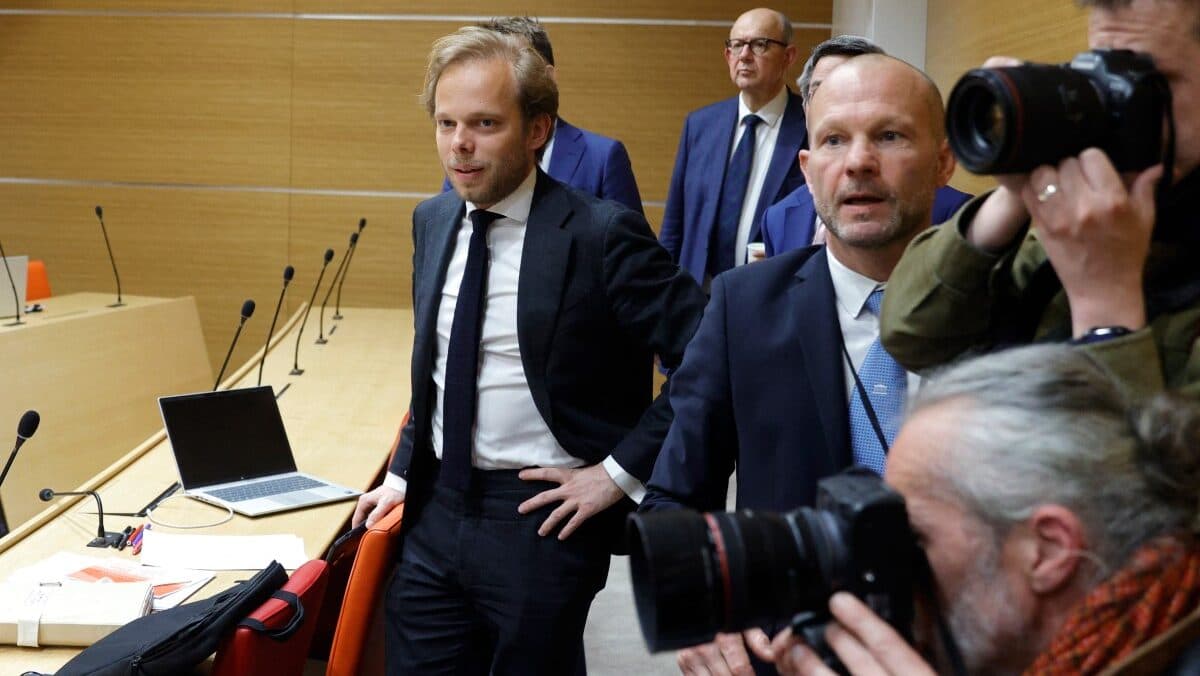
A routine inquiry into France’s public broadcasters ended up giving the far right a national stage to attack the press, turning parliamentary oversight into a tool of confrontation. What began as an examination of the neutrality, functioning and financing of public media became, in practice, a campaign to cast suspicion on the institutions that scrutinize the National Rally.
The six-month inquiry was launched at the end of 2025 by the right-wing UDR party and held 67 hearings before ending in April 2026. Charles Alloncle, a 32-year-old lawmaker allied with Jordan Bardella, drove much of the spectacle. He questioned journalists, presenters and senior executives aggressively, then pushed clips of the hearings across social media to present the sessions as proof of broadcaster bias. That approach drew an official warning from the president of the National Assembly after Alloncle live-posted the proceedings on X, with the warning that parliamentary rules and customs had to be respected so the commission’s credibility would not be called into question.
The backlash was unusually sharp. Xavier Niel said Alloncle had turned the committee into a “circus.” Nagui accused him of running a “hate campaign” against him. Other members of the commission, including some opposed to Alloncle, described the tone as a “witch hunt.” LaScam also criticized the commission’s methods, citing repetitive questions, predetermined conclusions, selective use of figures and misleading or erroneous posts on social media.
That conflict culminated on April 27, 2026, when the commission adopted a nearly 400-page report by 12 votes to 10 after more than four hours of closed-door debate and multiple suspensions. The vote mattered because publication was not guaranteed. Had the report been blocked, critics said the far right would have been handed an easy censorship narrative. Instead, the commission produced about 80 recommendations, including scrapping France 4, shutting down Mouv’, and merging France 2 and France 5.
The proposals would save more than 1 billion euros, roughly one quarter of the state’s annual funding for public audiovisual media, and redirect money toward heritage maintenance and debt reduction. Supporters of the report say the public should see the scale of what they view as waste. Opponents argue the commission was used less to scrutinize broadcasting than to weaken it.
That argument fits a much longer political project. Jordan Bardella said on France 3 on June 16, 2024, that privatizing public broadcasting “remains relevant,” and Institut Montaigne says National Rally strategists have signaled that, apart from France Médias Monde, most of the public audiovisual sector could be sold off. The inquiry also fed earlier disputes over editorial independence, including the uproar around a 2025 video involving Thomas Legrand and Patrick Cohen that Radio France’s ethics committee reviewed.
The significance goes beyond France’s airwaves. A parliamentary commission meant to examine governance became an attention engine, elevating a new far-right figure, hardening a culture-war narrative and normalizing attacks on public broadcasters as politically suspect institutions. That is the larger danger: once oversight becomes performance, scrutiny can be repurposed into intimidation.
This article was produced by Prism’s automated news system from verified source data, official records, and press releases, then run through automated quality and moderation checks before publishing. The system is built and supervised by the people who set the standards it runs under. Read our full AI policy.
Did this article answer your question?

