McSweeney admits serious mistake over Mandelson appointment and Epstein ties
McSweeney told MPs his advice on Mandelson was a “serious mistake” and said Epstein ties were far worse than he understood.
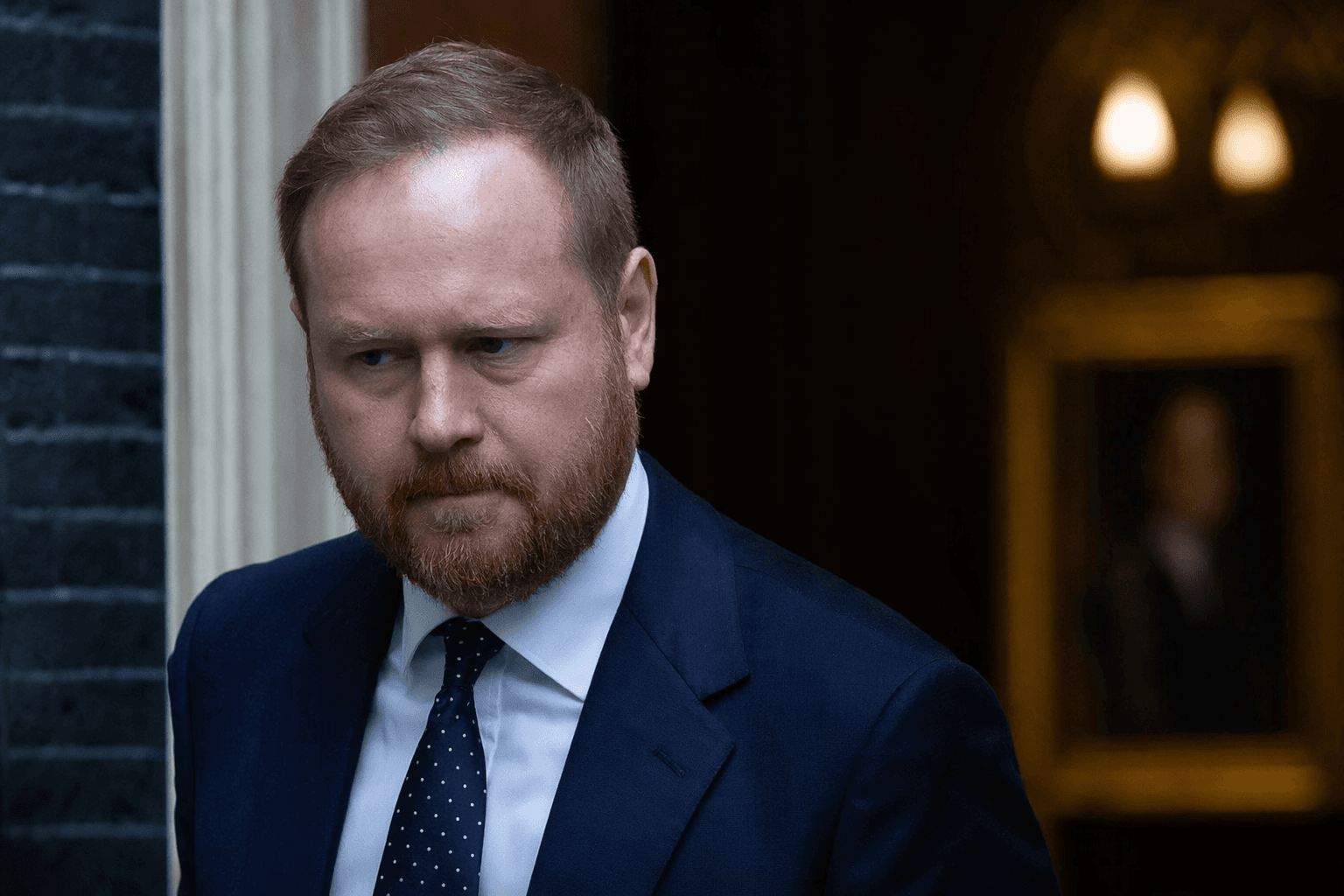
Morgan McSweeney told MPs that advising Keir Starmer to appoint Peter Mandelson as Britain’s ambassador to the United States was a “serious mistake”, as pressure mounted on Downing Street’s screening process and on what senior figures knew about Mandelson’s links to Jeffrey Epstein.
Giving evidence to the Foreign Affairs Committee on 28 April 2026, the former Downing Street chief of staff said Mandelson did not give the “full truth” about his relationship with Epstein and that the extent of the relationship was “way, way, way worse” than he had understood when he backed the appointment. McSweeney said he took full responsibility for supporting it. He denied pressuring officials to rush the process or ignore security risks.
The committee has been examining Mandelson’s vetting through evidence sessions on 23 April and 28 April. In material published by Parliament, the Foreign, Commonwealth and Development Office said Mandelson’s security vetting was carried out to the usual standard for Developed Vetting, in line with Cabinet Office policy. That account sits at the centre of the dispute over whether the problem was a failure of process, a failure of judgment, or both.
McSweeney’s evidence sharpened the political damage around Starmer, who has said he was wrong to appoint Mandelson but that proper processes were followed. Starmer has also said No. 10 was not told earlier that a security vetting body had recommended against the appointment. The gap between those claims and the committee’s scrutiny has raised questions about who knew what, and when, inside Downing Street and the Foreign, Commonwealth and Development Office.
The row has already claimed one senior scalp. McSweeney resigned in February 2026 amid the Mandelson controversy, after the appointment drew intense criticism once the scale of Mandelson’s association with Epstein became a public issue. The latest evidence places the focus squarely on the machinery of political vetting: whether the warning signs were available, whether they were minimized, and whether the final recommendation reflected confidence in Mandelson’s suitability or a badly judged assumption that the danger had been contained.
For Starmer, the affair is now less about embarrassment than institutional credibility. The committee’s hearings, the FCDO’s vetting line, and McSweeney’s admission together point to a larger test for No. 10: whether the system that screened Mandelson failed to surface the most politically toxic facts, or whether those facts were known and simply not treated with the seriousness they demanded.
This article was produced by Prism’s automated news system from verified source data, official records, and press releases, then run through automated quality and moderation checks before publishing. The system is built and supervised by the people who set the standards it runs under. Read our full AI policy.
Did this article answer your question?

