French lawmakers pass farm bill despite pesticide backlash
French lawmakers approved an emergency farm bill 296-224, opening the door to temporary waivers for two bee-harming pesticides banned in France but allowed in the EU.

French lawmakers approved an emergency farm bill in the early hours of Tuesday, July 21, 2026, after a sharp political fight over whether France should ease pesticide rules to help farmers or keep tighter environmental safeguards in place. The National Assembly backed the measure by 296 votes to 224.
The bill could allow regulators to temporarily reintroduce two pesticides accused of harming bees. Both chemicals are banned in France but authorized at the European Union level, a split that has become central to the country’s broader farm-policy debate. The proposed waivers would follow a constitutional ruling that blocked one pesticide last year, adding a legal twist to an already volatile dispute over how far Paris can go in loosening restrictions.
The vote landed at a moment when French farming has become both an economic pressure point and a political test. Farmers have staged protests across France and elsewhere in Europe in recent years, arguing that they face rising costs, heavy bureaucracy and competition from imports produced under looser standards. Supporters of the bill see the emergency measure as a way to give producers more breathing room and reduce the sense that urban policymakers are imposing rules without regard to field-level costs.
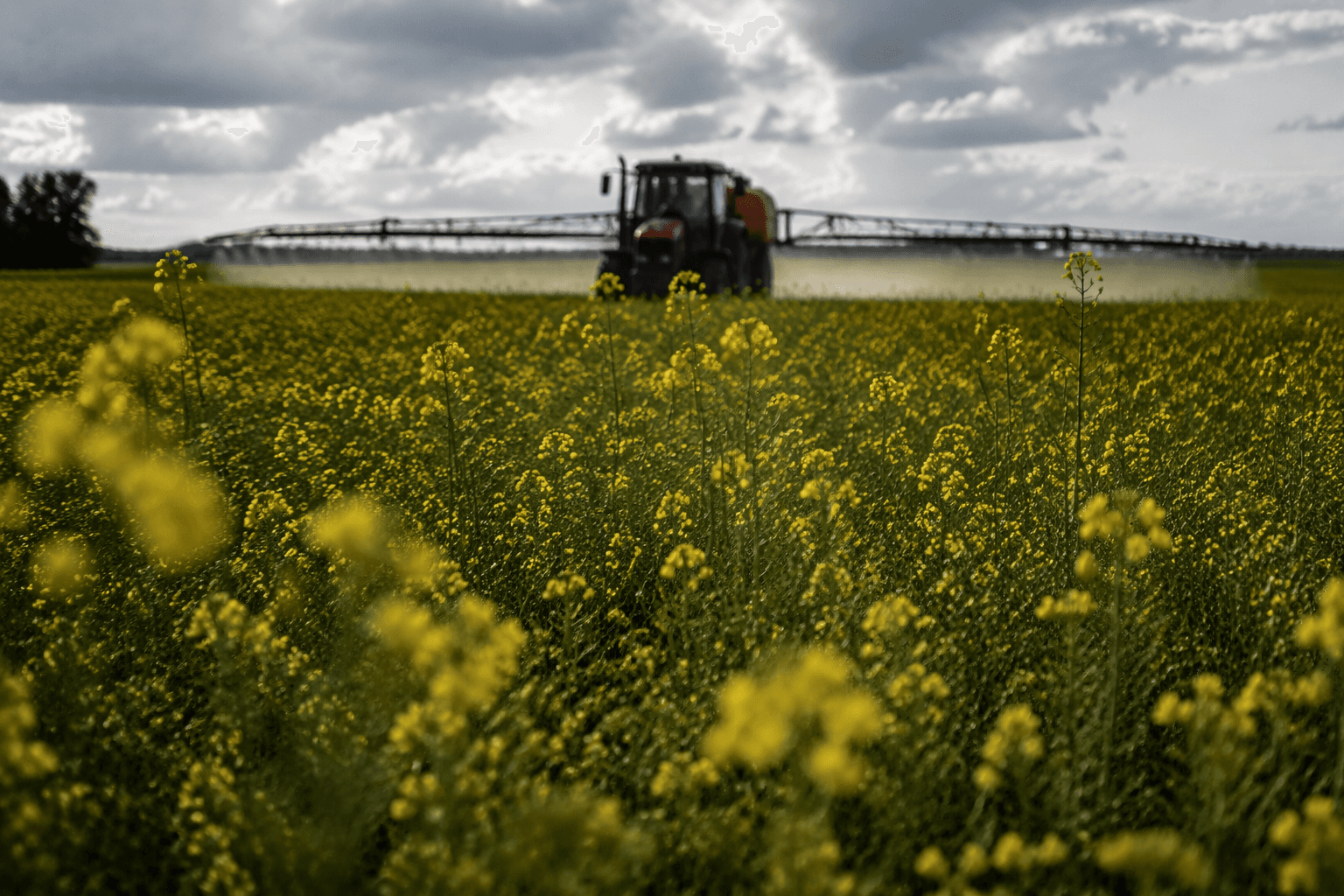
Opponents, meanwhile, see the legislation as a retreat from public-health and biodiversity protections. The pesticides at the center of the debate are tied to bee losses, and the argument over their use reaches beyond France’s borders. Across the European Union, governments are still trying to reconcile pressure to cut chemical use with the need to protect yields and farm incomes, a balance that has become harder as food security and inflation have moved up the political agenda.
The long-running nature of the controversy was visible in a Reuters Connect image caption from March 9, 2021, which showed environmental activists protesting near the Conseil d’État in Paris as the court was set to rule on a campaign against a government decision to ease a ban on bee-killing neonicotinoid pesticides. Five years later, the same fault line remains: how to keep farms competitive without weakening the rules meant to protect pollinators, water and soil.
This article was produced by Prism’s automated news system from verified source data, official records, and press releases, then run through automated quality and moderation checks before publishing. The system is built and supervised by the people who set the standards it runs under. Read our full AI policy.
Did this article answer your question?