Ukraine drones strike Wildberries logistics hubs in southern Russia
Ukraine widened its drone campaign to Wildberries hubs in Krasnodar and Stavropol, targeting Russia’s biggest online retailer’s supply lines after deadly warehouse strikes near Moscow.
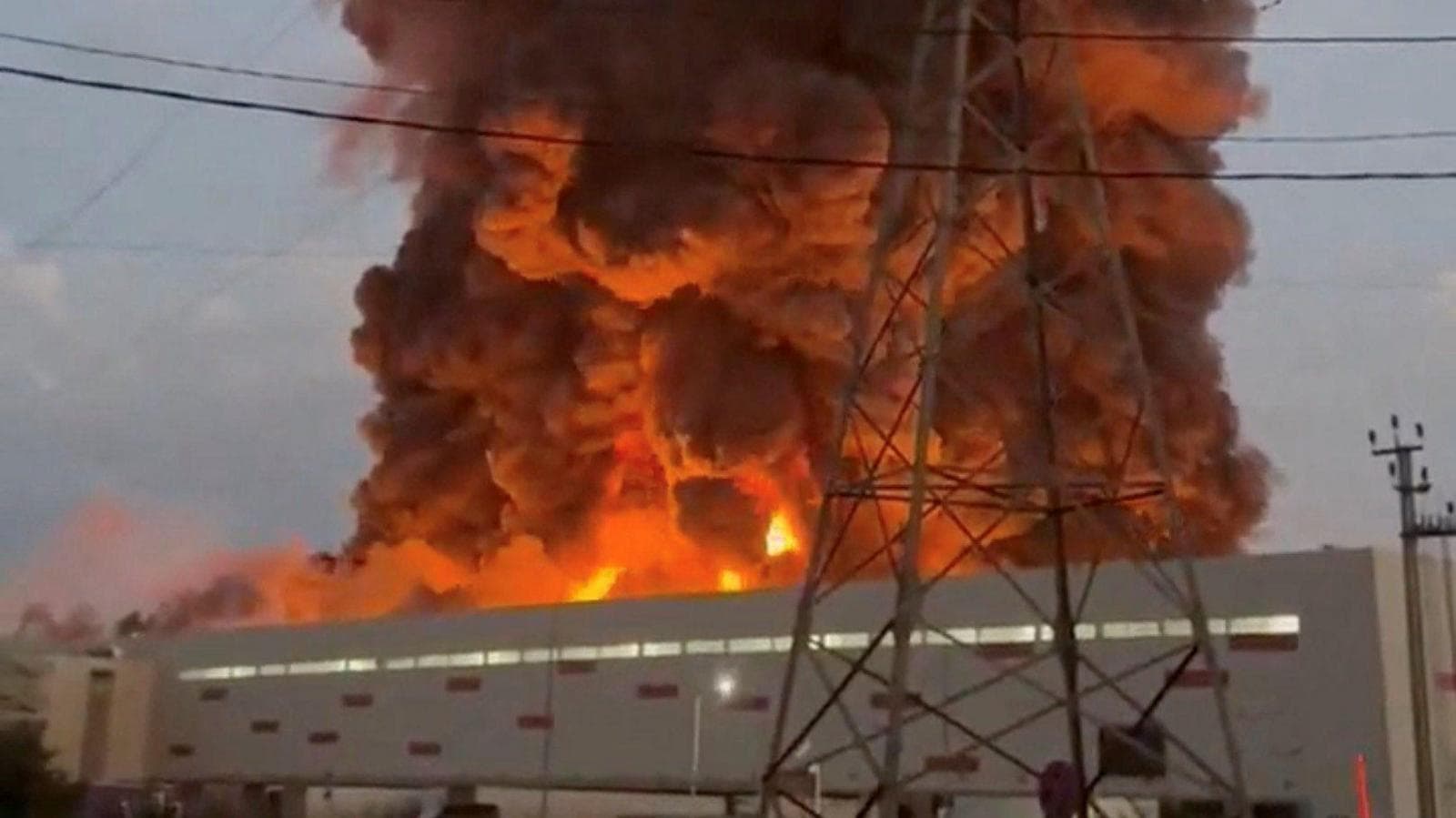
Ukrainian drones struck Wildberries logistics hubs in the Krasnodar and Stavropol regions overnight Tuesday, widening a campaign that has already hit the online retailer’s supply chain deep inside Russia. The attacks moved beyond military-linked infrastructure and into the arteries that move consumer goods for Russia’s biggest online marketplace, a company often described as the country’s answer to Amazon.
The new strikes followed the July 18 attacks on two Wildberries logistics centers in the Moscow and Tambov regions, which killed eight warehouse workers and injured 62 people. At the warehouse in Kotovsk, Tambov region, seven people died and 25 were injured. At Wildberries’ facility in Elektrostal in the Moscow region, one worker was killed and 37 were wounded.
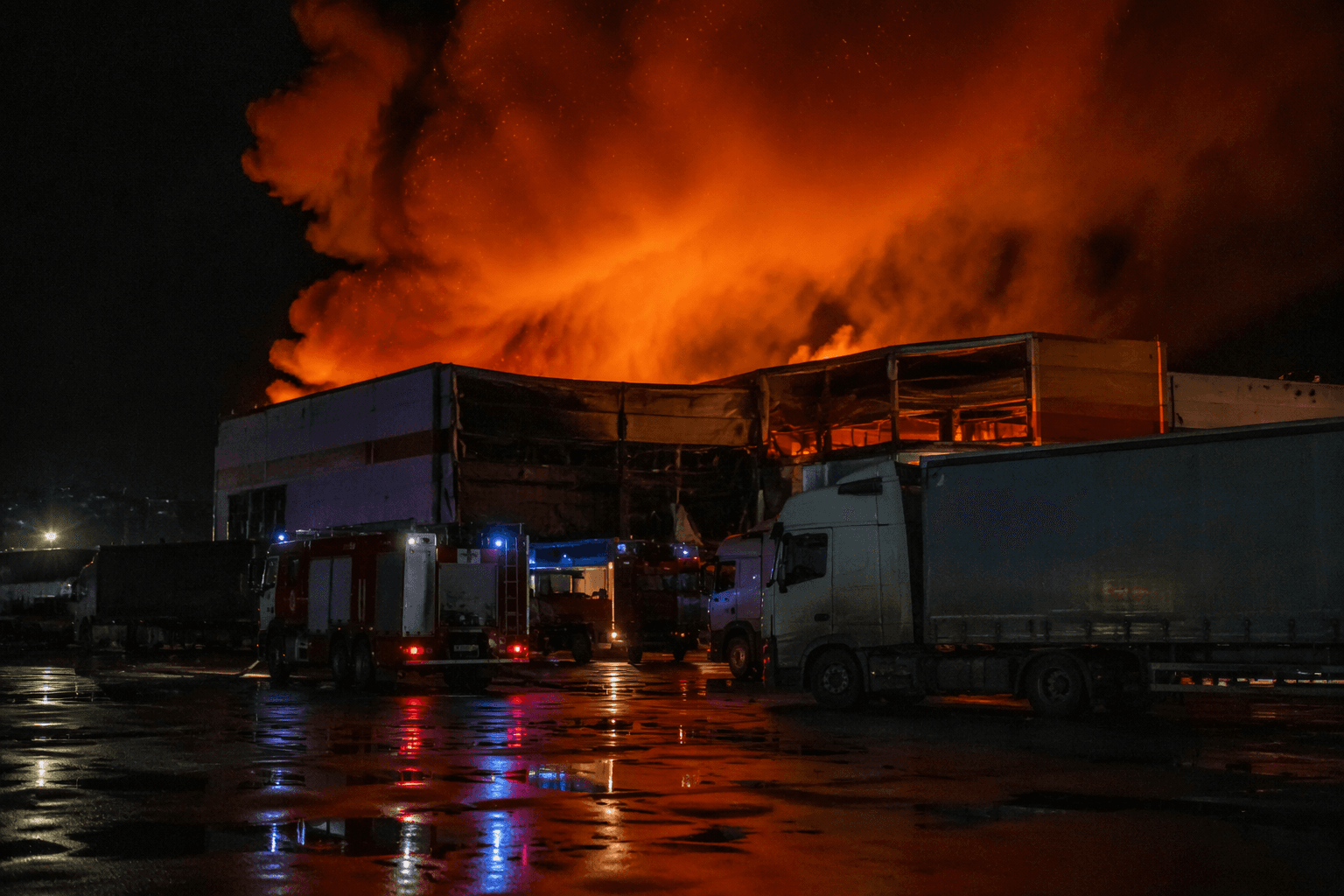
That earlier Elektrostal site matters because it is Wildberries’ largest warehouse in Russia, with a floor area of more than 360,000 square meters. Hitting that kind of hub raises the cost of moving retail orders across the country and forces the company to protect buildings that sit far from the front line but remain central to everyday commerce.
Volodymyr Zelensky said the strikes hit “major logistics facilities” used to support Russia’s war effort. Kremlin spokesman Dmitry Peskov said the attacks on Wildberries warehouses hurt the company, underscoring how the damage has become both economic and symbolic for Moscow. Wildberries, founded in 2004, has expanded beyond Russia, with Reuters reporting in 2021 that it had entered France, Italy and Spain.
The repeated targeting of Wildberries marks a shift in Ukraine’s drone campaign from oil depots and other strategic assets toward the commercial infrastructure that underpins ordinary life in Russia. Wildberries operates as RWB, or Wildberries & Russ, on its corporate site, and its reach across the country makes it an efficient pressure point: every damaged warehouse can mean slower deliveries, lost inventory and more visible friction for consumers in regions far from the battlefield.
That visibility may be part of the point. A warehouse fire or a stalled delivery network is harder for Russian households to ignore than a strike on a remote military installation, especially when the target is the country’s largest online retailer and the goods inside are meant for daily use.
This article was produced by Prism’s automated news system from verified source data, official records, and press releases, then run through automated quality and moderation checks before publishing. The system is built and supervised by the people who set the standards it runs under. Read our full AI policy.
Did this article answer your question?