French Open players plan media protest over prize money
Top players are set to shrink media access at Roland Garros as they challenge a 14.3% revenue share they say lags far behind other tours.
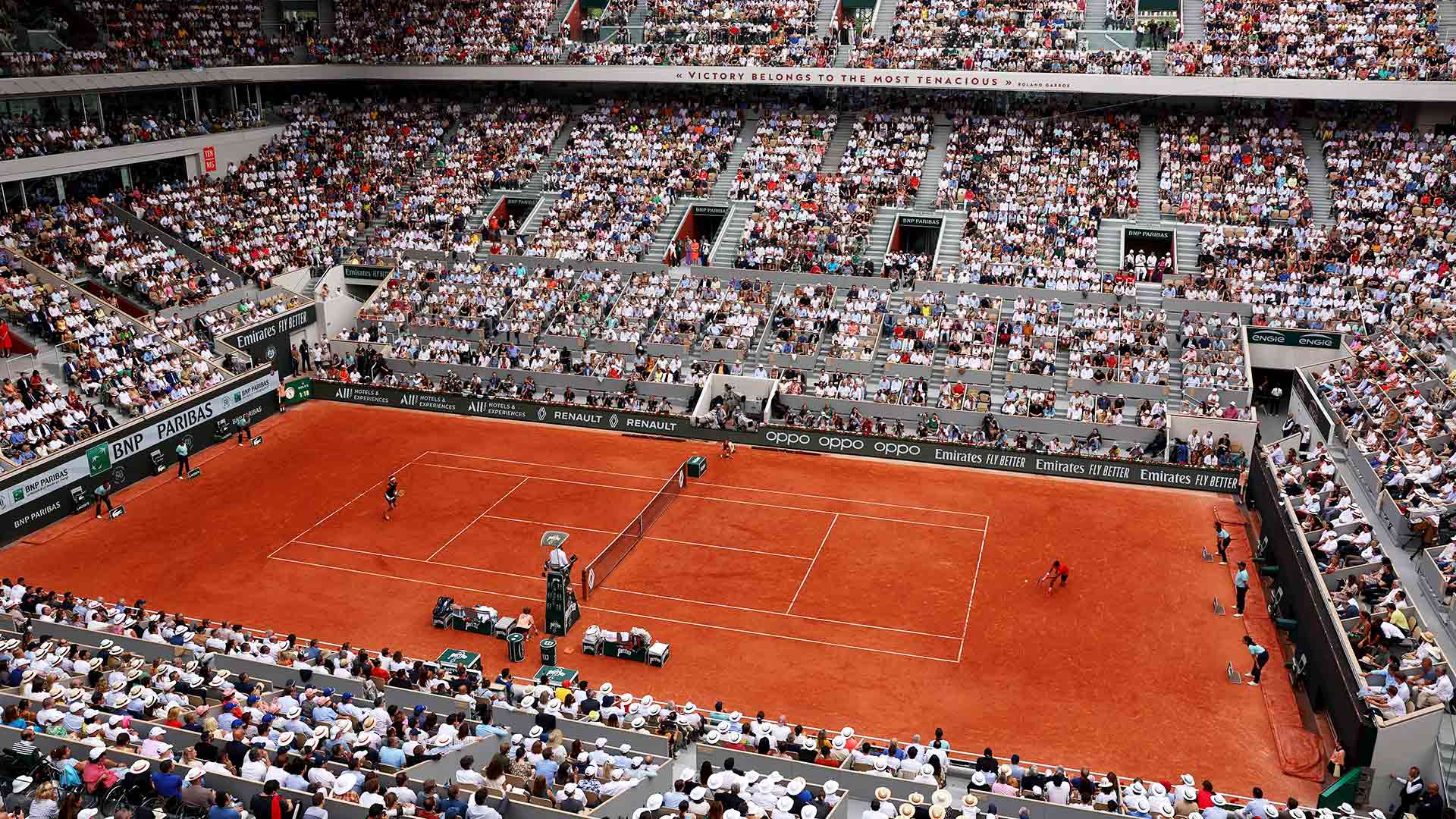
Leading players at Roland Garros planned to cut their media availability during the French Open’s traditional pre-tournament media day, turning interviews into a 15-minute work-to-rule protest over prize money and revenue sharing. The move targets a split players say gives them 14.3% of Roland Garros revenue, well below the roughly 22% they say is available at other ATP and WTA events.
The dispute comes even as the tournament raised total prize money about 10% to 61.7 million euros, or about $72.1 million. Players argue that increase still falls behind the event’s commercial growth, pointing to 395 million euros in Roland Garros revenue in 2025 and saying the figure could top 400 million euros this year. Their case is straightforward: Grand Slam tennis keeps expanding as a business, but players say their slice has not kept pace.
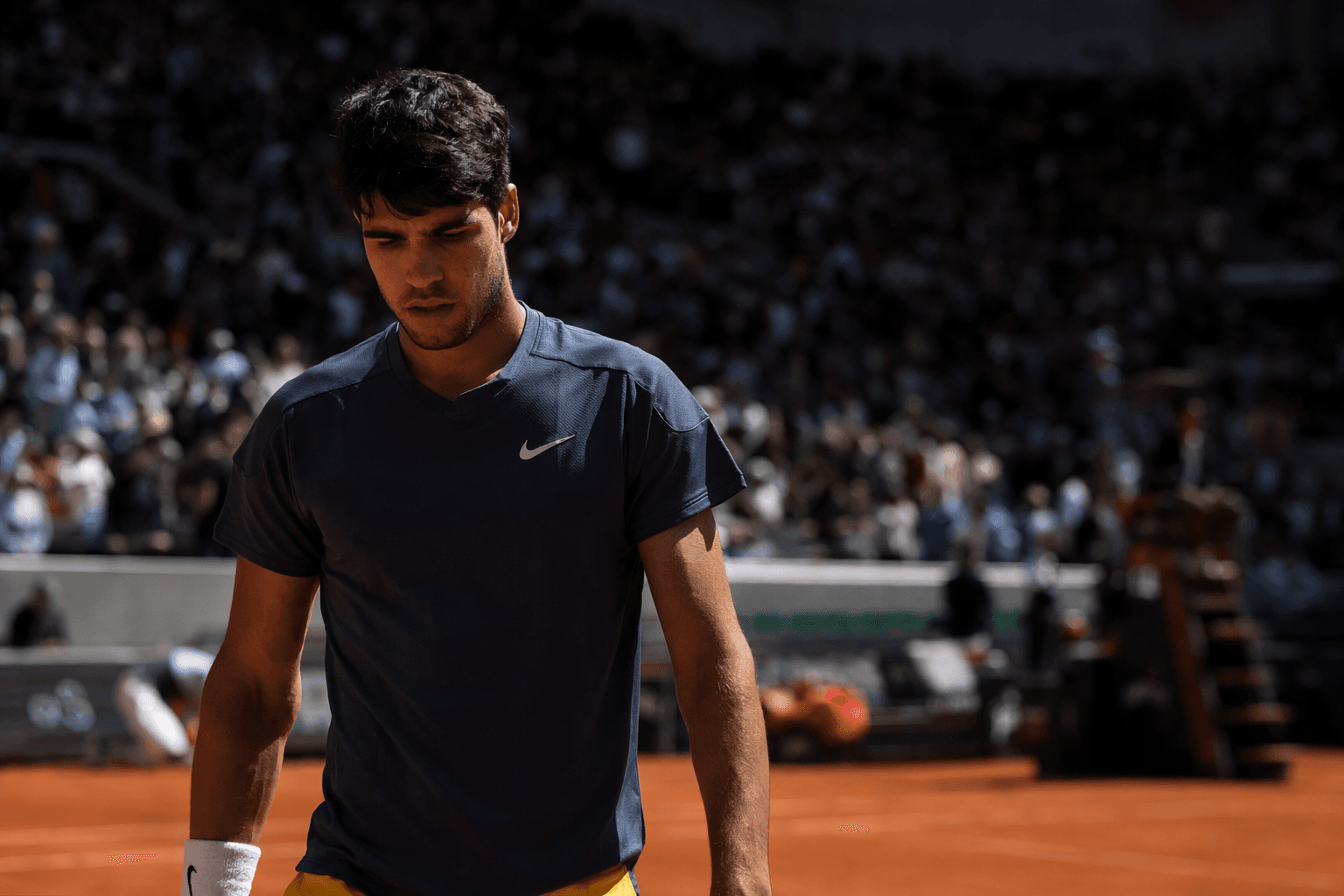
The fight is not limited to prize money. Players have pressed all four majors, the Australian Open, Wimbledon, the U.S. Open and the French Open, for better representation, health options and pensions. Letters sent to the tournaments in March and July 2025 called for a larger revenue share, a Grand Slam player council, pensions and health insurance. Aryna Sabalenka said on May 6, 2026, that players could boycott the French Open if compensation did not improve, and Coco Gauff voiced support for that hard-line stance. Jannik Sinner has also been part of the broader debate.
The French Tennis Federation said it regretted the protest and argued it would hurt the wider tennis ecosystem, including media, broadcasters, federation staff and fans. The federation said it remained open to direct talks and proposed a Friday meeting with players and representatives. That response reflects the stakes for Roland Garros beyond the court: FFT says the tournament accounts for about 80% of its annual revenue, helps support more than 7,000 clubs and, in 2025, served more than 1.2 million licensed members across France.
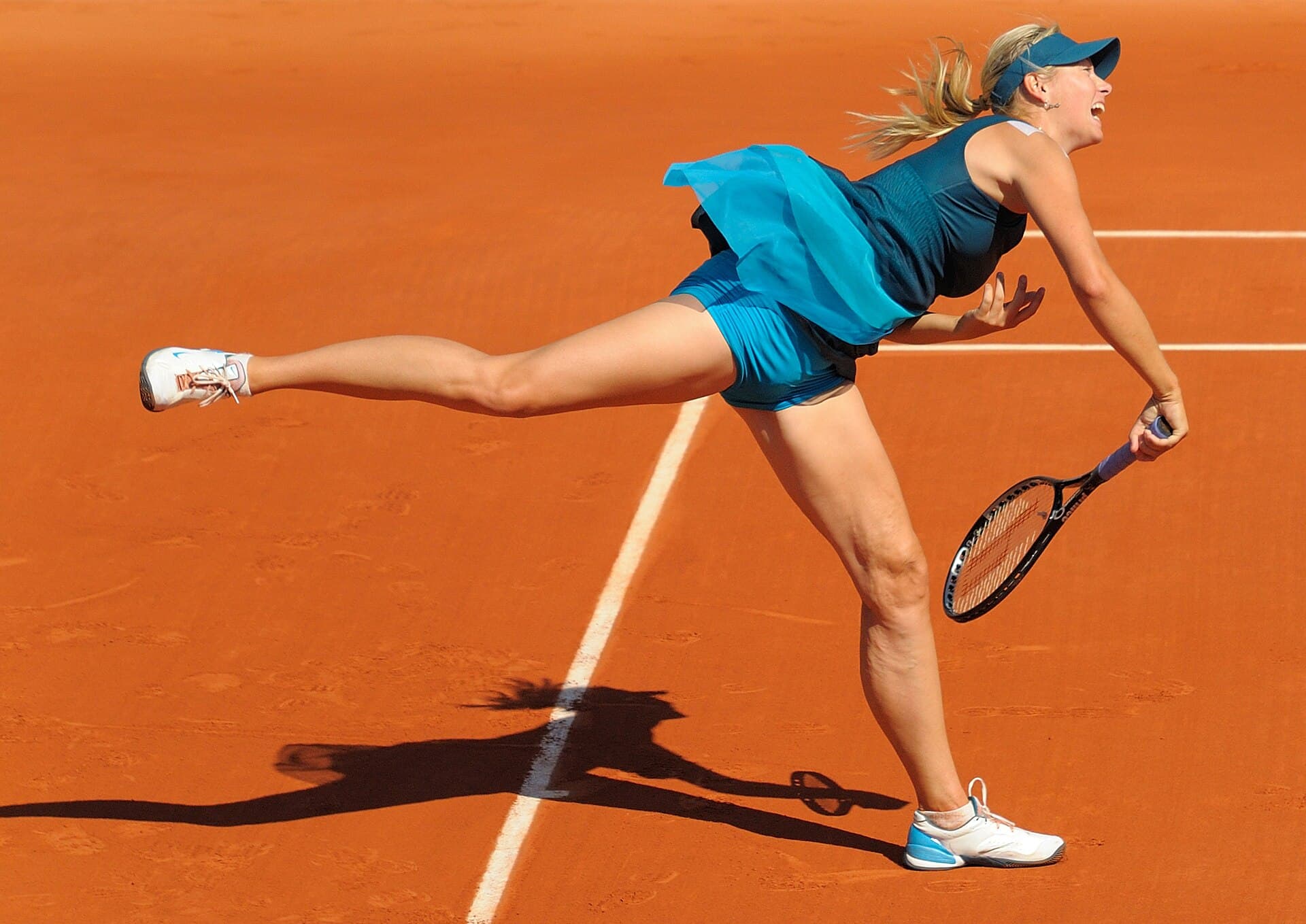
The standoff exposes a deeper governance problem in elite tennis. Unlike leagues with unions, collective bargaining and defined revenue-sharing models, Grand Slam players negotiate from a weaker position and rely on coordinated pressure to move tournament owners. At Roland Garros, the protest is as much about bargaining power as it is about prize money, and it has turned media day into the latest test of who controls the sport’s biggest stage.
Know something we missed? Have a correction or additional information?
Submit a Tip