French students tackle Nietzsche in high school philosophy exam
French high schoolers opened bac season with a four-hour philosophy exam on Nietzsche, truth and happiness, a rite that tests civic thinking as much as grades.
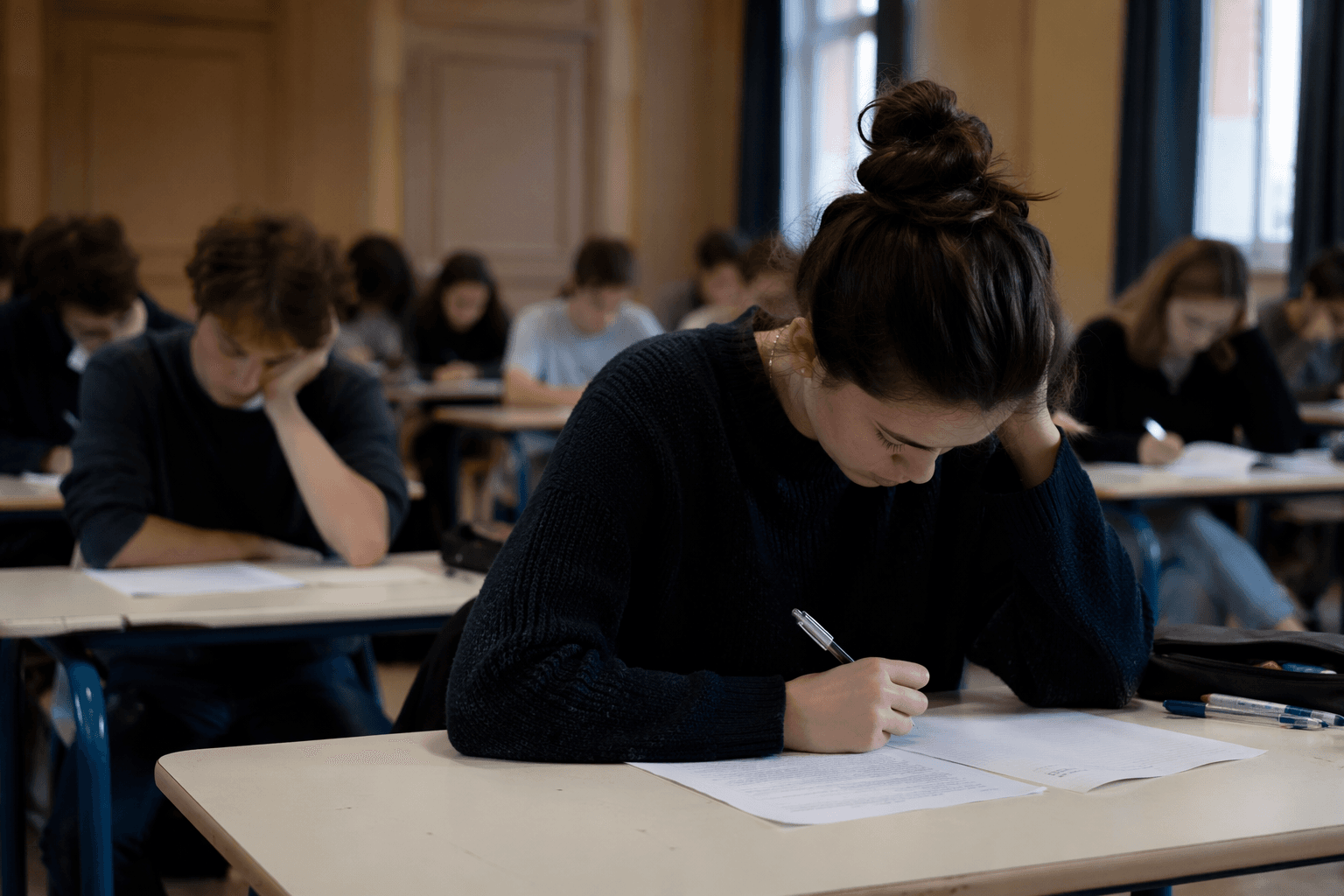
About 530,000 French final-year students opened their baccalauréat season with the philosophy exam, a four-hour paper that still carries the weight of a national rite of passage. In a school system often pulled toward job training and measurable skills, France kept asking teenagers to write at length about ideas that do not fit neatly into a spreadsheet.
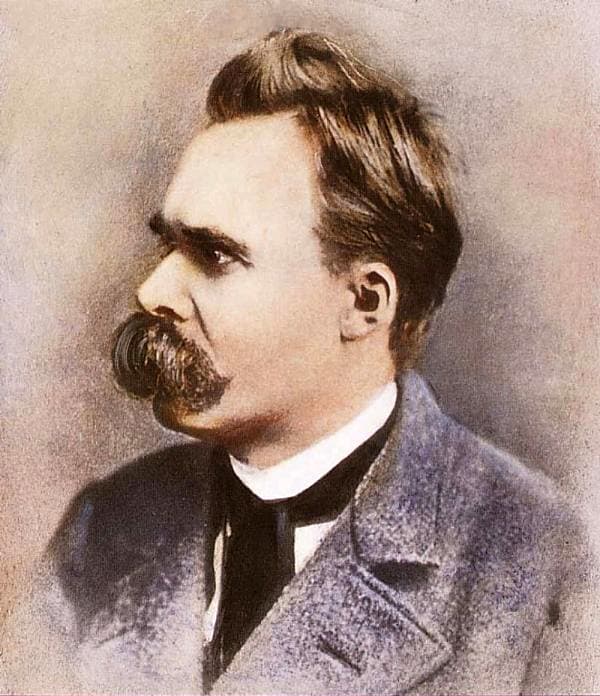
The Ministry of Education said the exam ran Monday, June 15, from 8 a.m. to noon and counted as a coefficient 8 paper. Calculators and dictionaries were banned. For students in the general track, the subject offered two dissertation prompts and one text commentary, including questions on whether the state should primarily fight injustice and whether humanity could exist without religion. The commentary option asked candidates to explain a passage connected to language learning and authority, while one of the texts drew on Friedrich Nietzsche’s Human, All Too Human.
The technological track faced a different slate of questions, but the same demand for sustained argument. Its paper included prompts on truth, technique and debate, along with a text by Paul Ricœur. Across both tracks, the exam reflected the same expectation: students had to move beyond memorization and show they could reason through abstract problems under pressure.

That expectation is one reason the philosophy paper remains so charged in France. The baccalauréat is the diploma that marks the end of secondary school and is meant to support further study, especially at universities or selective preparatory classes. Since Napoleon Bonaparte created the exam in 1808, philosophy has been part of the bac; since 1970, it has usually been the first written exam, with the exception of 2023. It is both a gatekeeper and a civic ritual, signaling that education is meant to produce more than employable graduates.
This year’s reaction followed a familiar pattern. Education outlets and journalists described the paper as a cultural landmark that also produces real anxiety, because students must build long answers on abstract questions inside a strict time limit. Some students said the language and happiness topics were strong, but they would have preferred liberty. That mix of pride and unease is part of the point: in France, philosophy is still treated not as an academic luxury, but as training in the habits of citizenship.
This article was produced by Prism’s automated news system from verified source data, official records, and press releases, then run through automated quality and moderation checks before publishing. The system is built and supervised by the people who set the standards it runs under. Read our full AI policy.
Know something we missed? Have a correction or additional information?
Submit a Tip