Sherwood Forest's Major Oak dies after 1,200 years
The Major Oak, a 1,200-year-old emblem of Sherwood Forest and Robin Hood lore, died after years of decline and a failed spring leaf-out.

The Major Oak, one of England’s most famous trees and a living symbol of Sherwood Forest, has died after standing for roughly 1,200 years in Nottinghamshire. The giant oak, with a trunk about 36 feet in circumference and a canopy stretching roughly 92 feet wide, had been in visible decline for years before failing to produce leaves this spring.
The Royal Society for the Protection of Birds, which manages the Sherwood Forest nature reserve on behalf of Nottinghamshire County Council, said it could not point to one cause. Instead, the tree appears to have been weakened by a long list of pressures: poor soil, a compromised root system, centuries of visitor footfall that compacted the ground, recent heatwaves and droughts, and earlier preservation measures such as metal bracing, cables and poles that may have kept the tree alive longer while also preventing it from aging naturally.
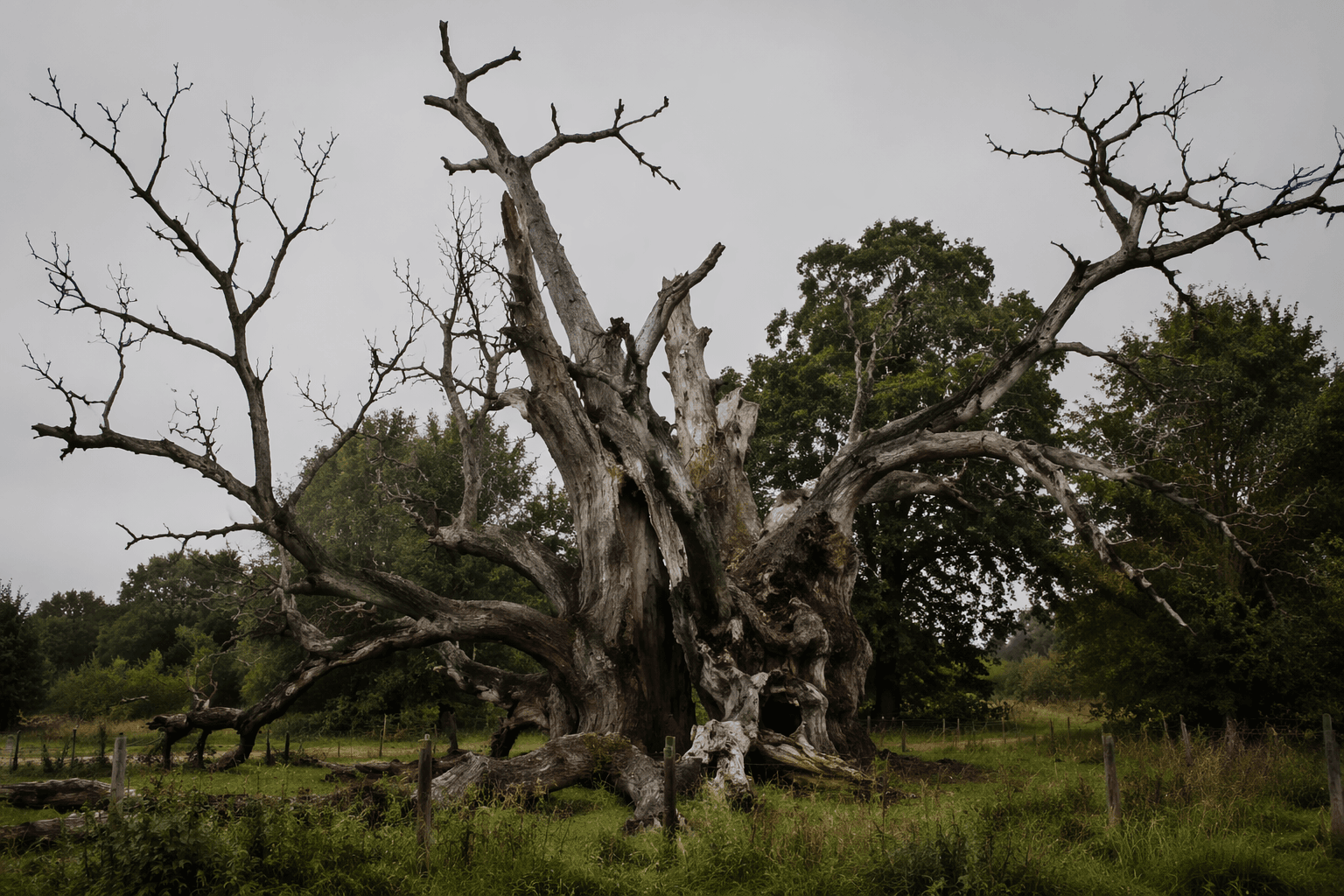
The death of the Major Oak is more than the loss of a single landmark. It exposes the strain on Britain’s living heritage, where ancient trees are asked to carry ecological, cultural and tourism burdens at once. In Sherwood Forest, the oak was bound to the Robin Hood legend, the Sheriff of Nottingham and the folklore that helped turn the woods into a national icon. It was also a functioning habitat, sheltering wildlife in its decaying wood long before conservationists began treating such veteran trees as irreplaceable ecological assets.
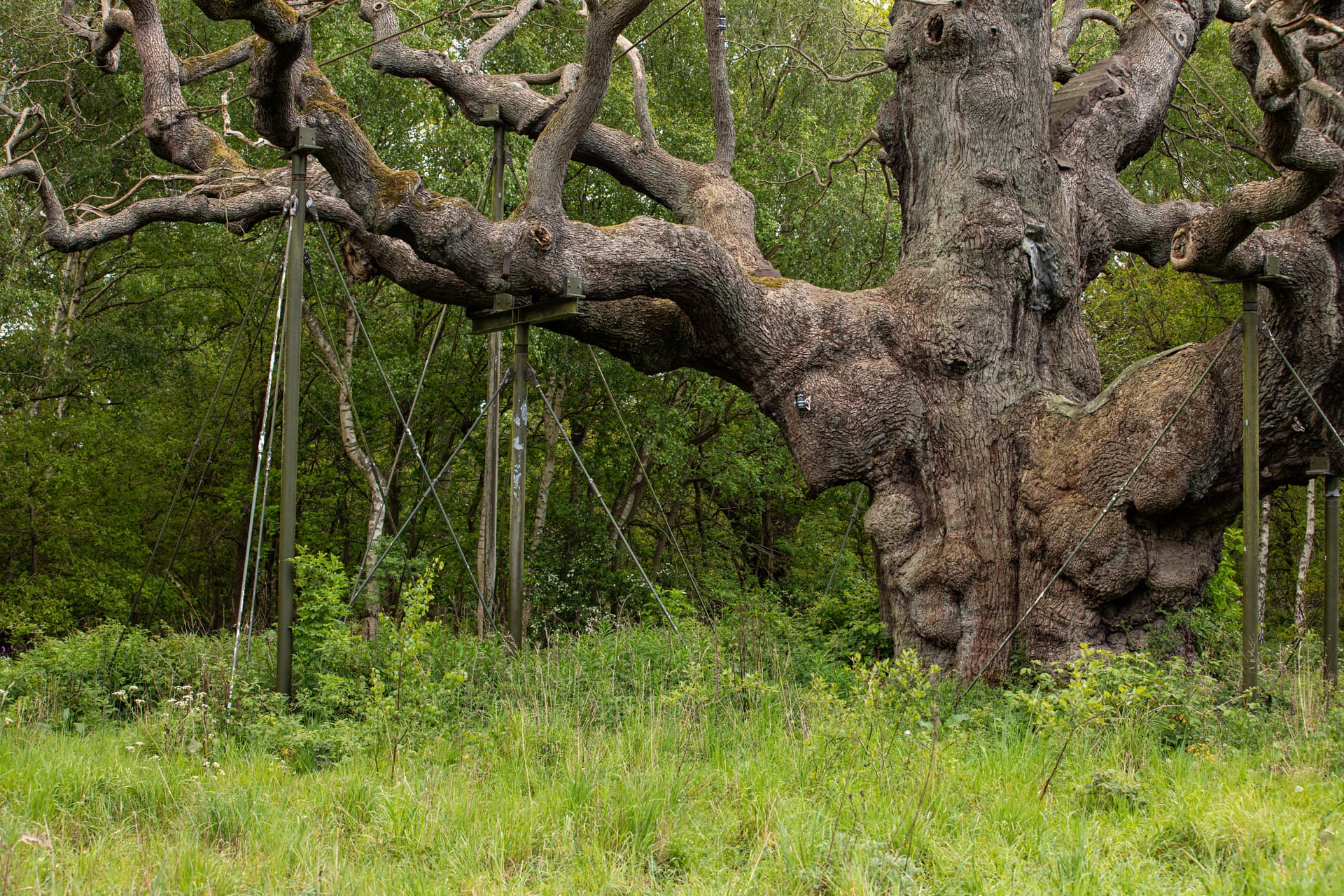
The tree’s vulnerability was not new. In the 1970s, the area around it was fenced off after visitors could once walk directly up to the trunk and even climb inside its hollow interior. That history reflects a familiar conservation dilemma: the more famous a natural landmark becomes, the harder it is to protect it from the attention that made it famous. The Woodland Trust named the Major Oak Tree of the Year in 2014 and recorded it as the first specimen in its Ancient Tree Inventory, underscoring how singular it had become.
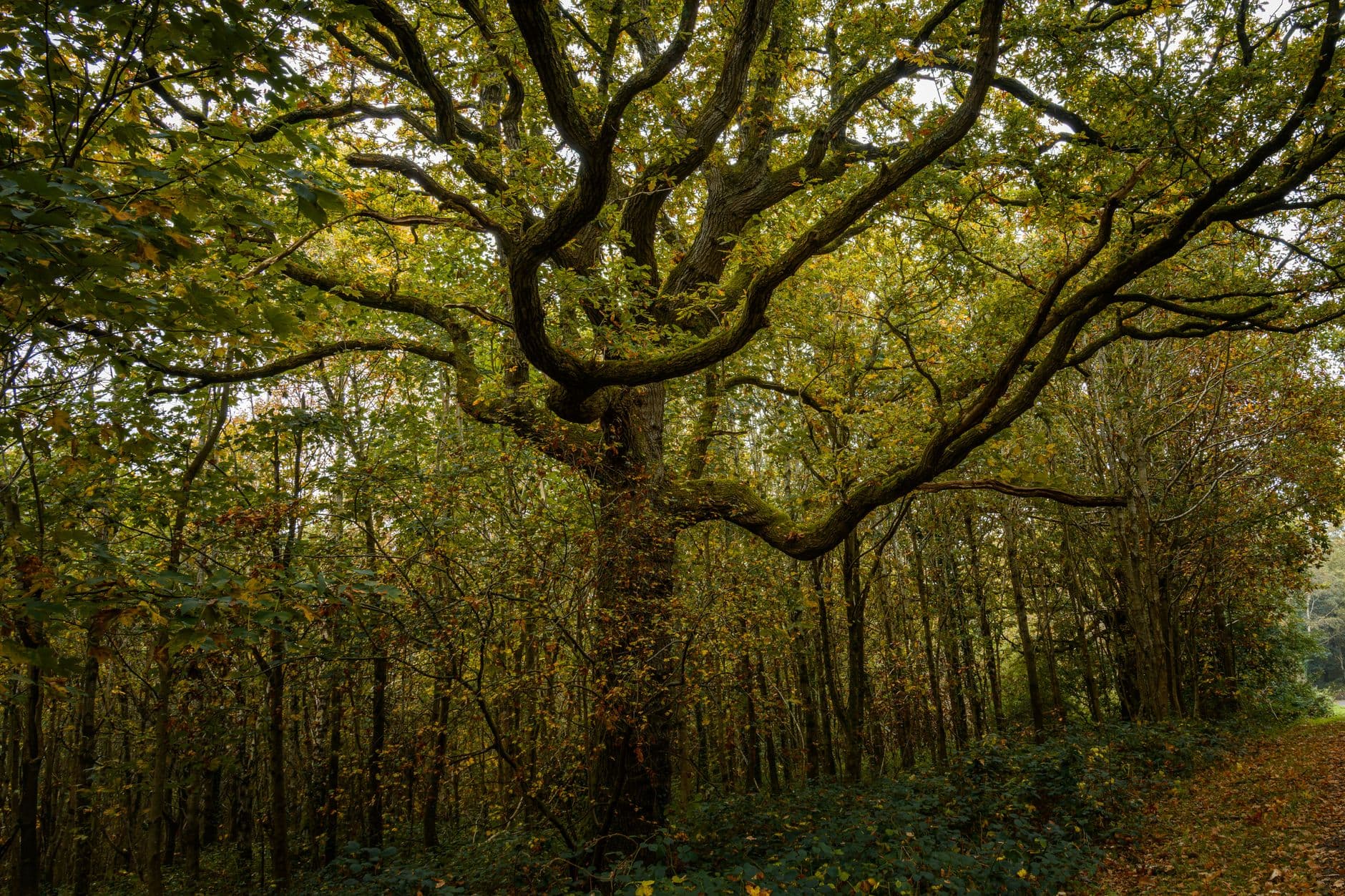
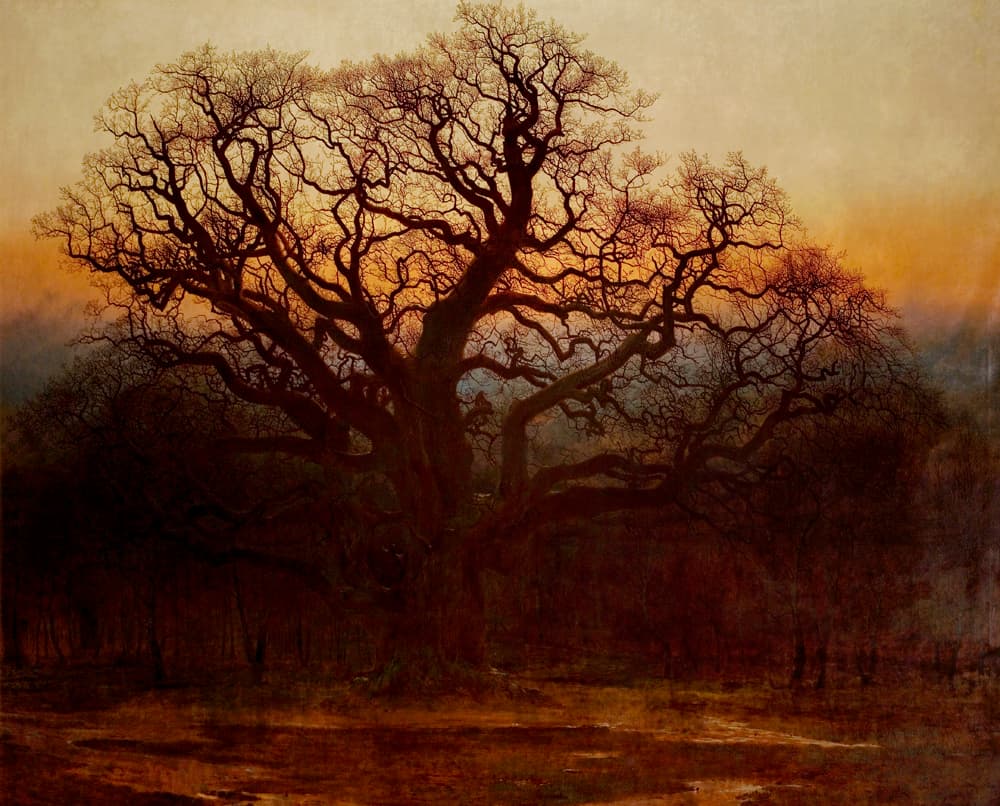
Its name also came from human storytelling. Major Hayman Rooke mentioned the tree in a 1790 book on oaks, helping fix the name that has carried through centuries of fascination. The RSPB said the oak will remain standing as an emblem in the landscape and continue to provide habitat for wildlife. Acorns and cuttings from the tree have already been grown into saplings, with descendants planted around the world, a biological inheritance that may outlast the trunk itself.
This article was produced by Prism’s automated news system from verified source data, official records, and press releases, then run through automated quality and moderation checks before publishing. The system is built and supervised by the people who set the standards it runs under. Read our full AI policy.
Know something we missed? Have a correction or additional information?
Submit a Tip