Swiss-hosted U.S.-Iran talks delayed as ceasefire deal faces questions
Swiss-hosted U.S.-Iran talks collapsed before they began, exposing how much of the Trump-announced ceasefire still depended on unfinished diplomacy.
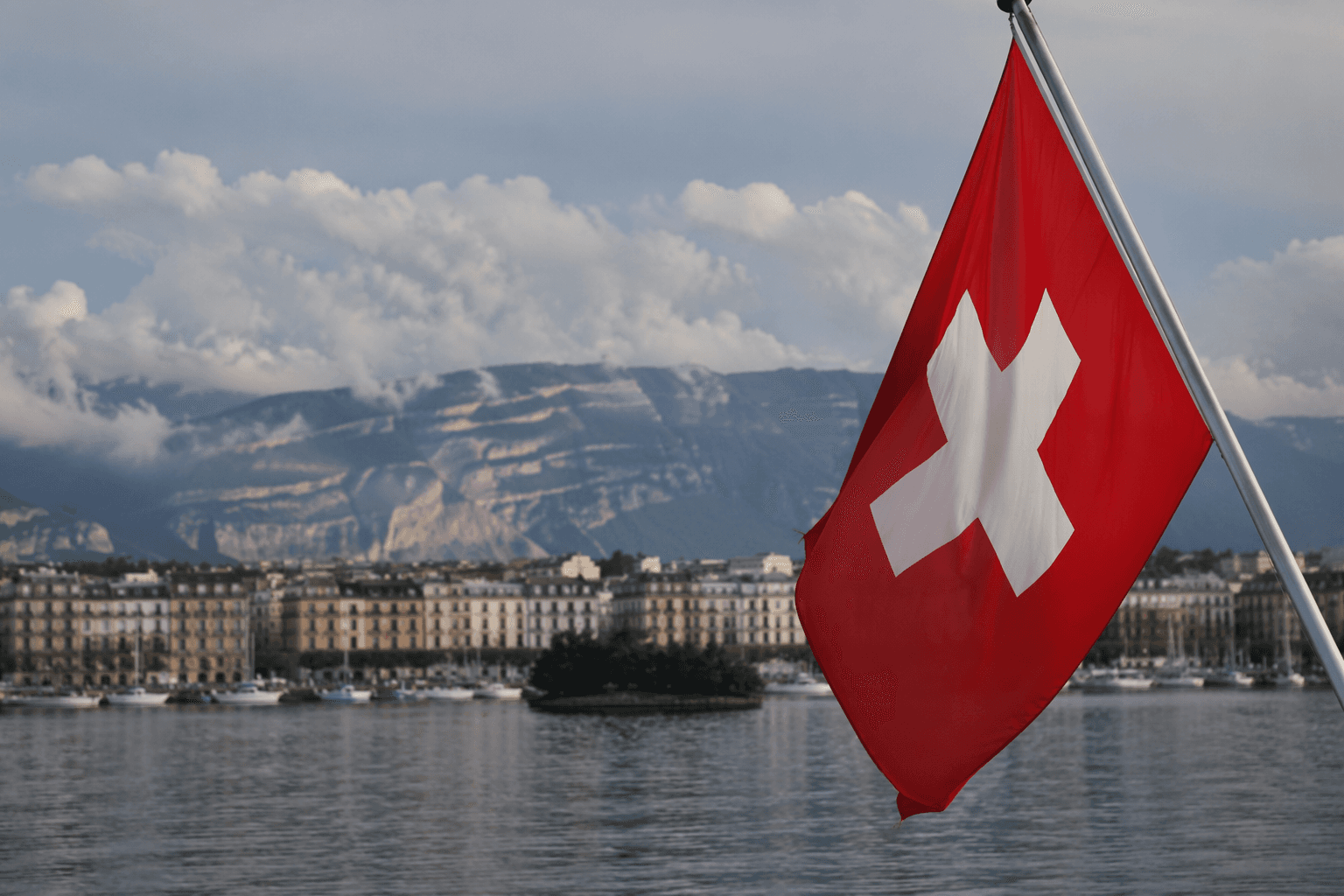
The promised first round of U.S.-Iran talks in Switzerland fell apart before it could begin, leaving President Donald Trump’s ceasefire deal looking far less complete than the White House had suggested. The Swiss foreign ministry said the meeting at Bürgenstock, the mountain resort in central Switzerland, did not take place as scheduled on June 19 and gave no reason for the collapse.
That matters because the arrangement was presented as a 60-day path toward a final settlement, not a finished peace. The framework still had to settle some of the war’s most sensitive issues: reopening the Strait of Hormuz, setting limits on Iran’s nuclear program, and defining sanctions relief. Without the Swiss talks, the diplomatic machinery meant to turn those broad promises into binding terms was stalled at the very moment it was supposed to move.
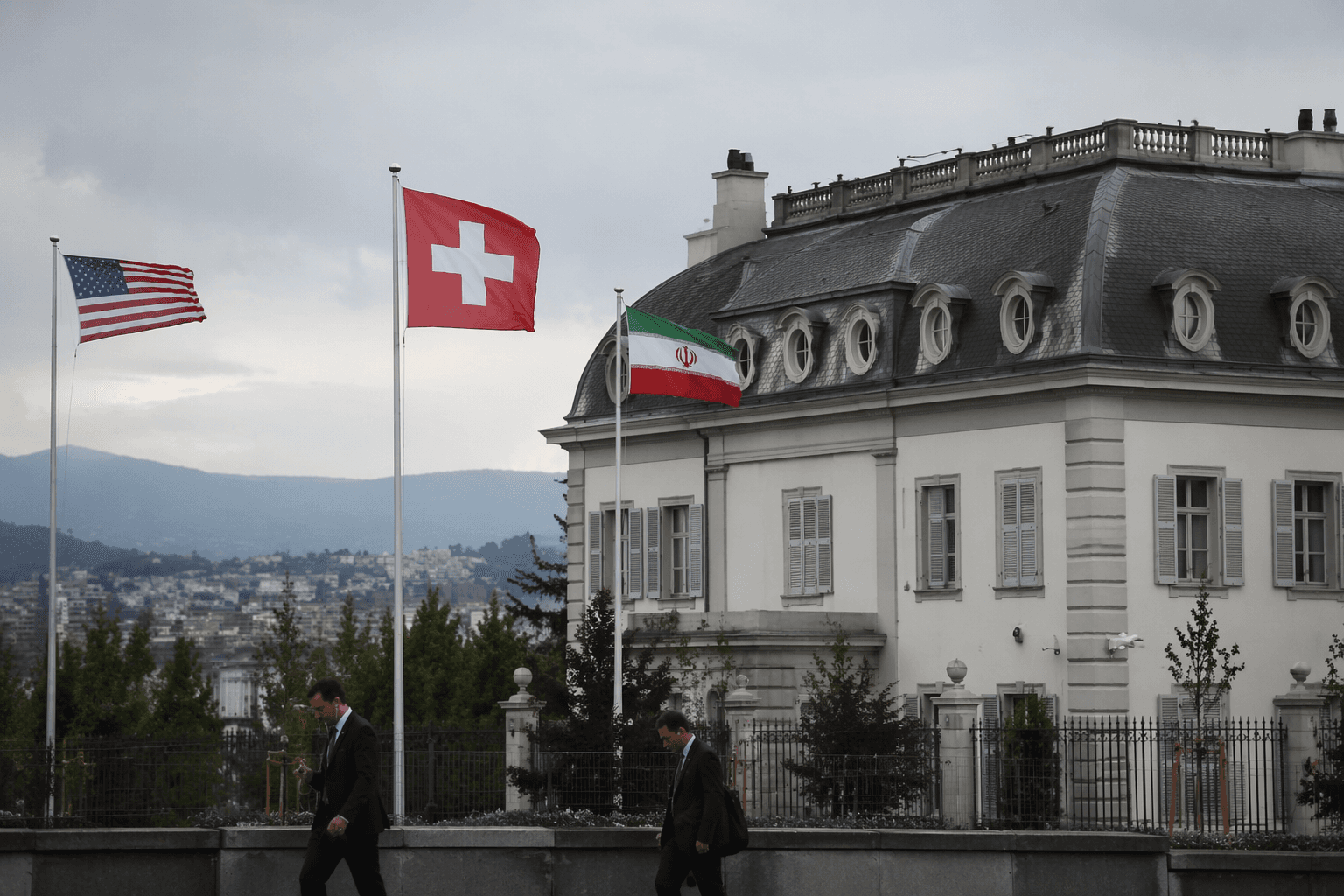
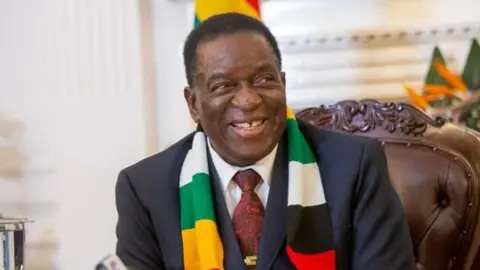
The agreement itself was already a layered and unusual process. The preliminary memorandum of understanding was signed on June 17, 2026, after a digital signing on June 15 by Vice President JD Vance and Mohammad Baqer Qalibaf, Iran’s chief negotiator, with Trump witnessing it. Trump and Iranian President Masoud Pezeshkian later signed the document as well. But the text had not fully answered the core questions, and the deal was still being treated as a framework rather than a settled accord.
The breakdown in Switzerland underscored how fragile that framework remained. The Swiss government had said the signing or follow-up meeting would happen Friday at Bürgenstock, with Pakistan and Qatar proposing the venue and the United States and Iran also involved in the arrangement. Vice President Vance had already delayed or canceled a planned trip to Switzerland tied to the talks, a sign that the next phase had become uncertain before negotiators even sat down.
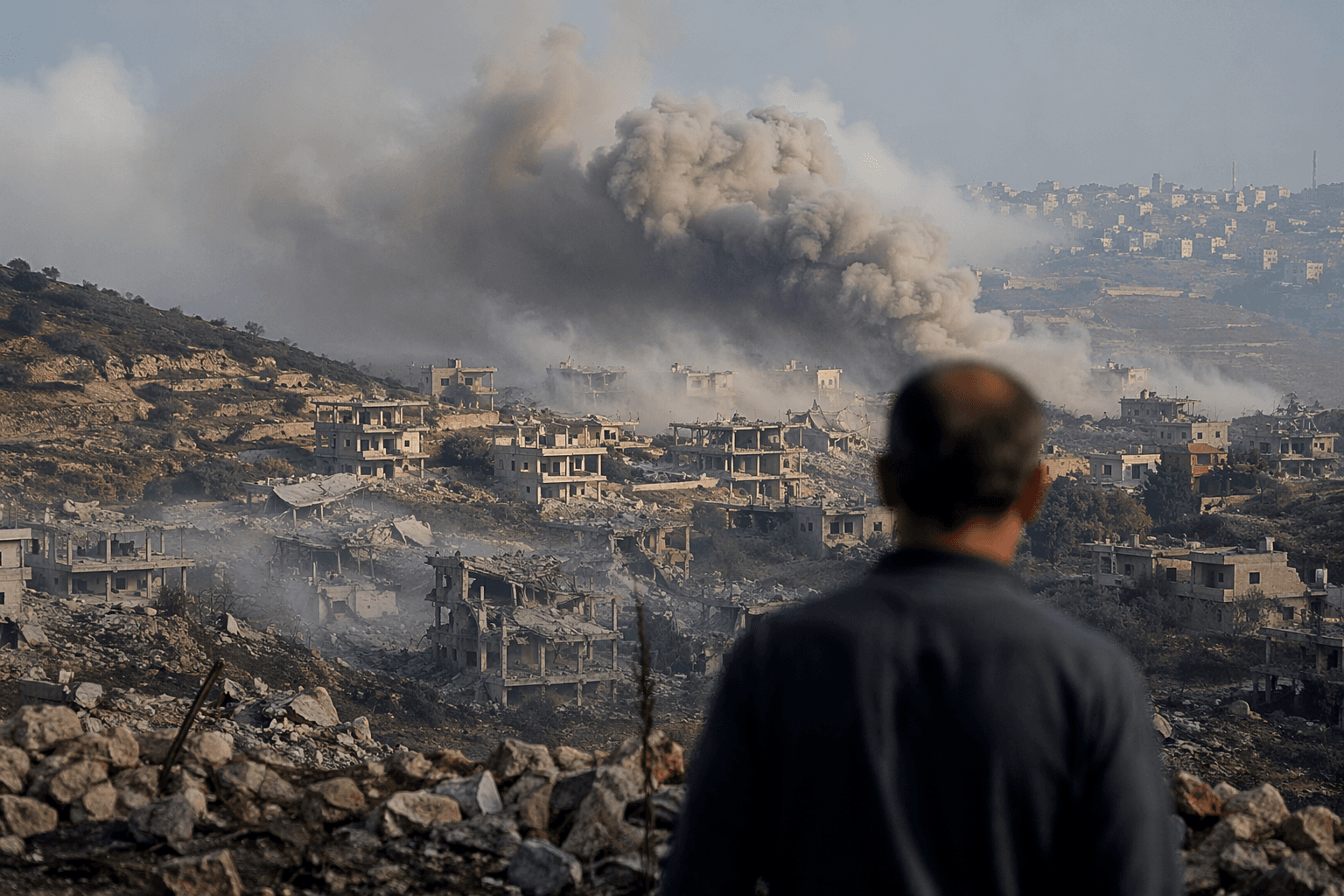
The stakes extended well beyond the negotiating table. The conflict was described in reports as having broken out on February 28, 2026, with U.S.-Israeli strikes on Iran, and nearly four months of war had already rattled the region. Markets had reacted positively to the prospect of a deal because any easing of tension in the Gulf could affect global trade through the Strait of Hormuz, one of the world’s most important shipping routes.
For now, the gap between the White House’s declaration of success and the missing diplomatic follow-through is stark. The agreement still exists as a political promise, but the practical work of turning it into a ceasefire, a nuclear settlement and a sanctions deal is exactly what the canceled Swiss talks were supposed to begin.
This article was produced by Prism’s automated news system from verified source data, official records, and press releases, then run through automated quality and moderation checks before publishing. The system is built and supervised by the people who set the standards it runs under. Read our full AI policy.
Know something we missed? Have a correction or additional information?
Submit a Tip