Zimbabwe parliament backs plan to extend Mnangagwa’s rule to 2030
Zimbabwe’s lower house backed a plan that could keep Emmerson Mnangagwa in office until 2030 and end direct presidential elections.
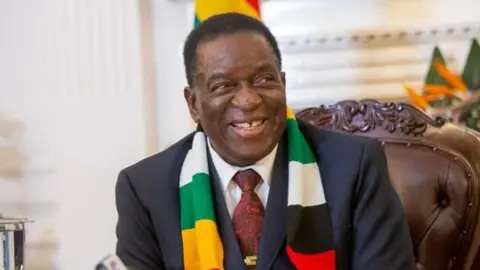
Zimbabwe’s parliament moved to rewrite the rules of presidential power in a way that could keep Emmerson Mnangagwa in office for two more years and strip voters of the right to choose the head of state directly. The measure passed the National Assembly by 216 votes to 42, clearing the two-thirds threshold needed in the 280-seat chamber and setting up one of the most consequential constitutional fights in Zimbabwe’s recent political history.
The Constitution of Zimbabwe Amendment No. 3 Bill would stretch presidential terms from five years to seven, push the next election from 2028 to 2030, and replace direct popular election of the president with selection by parliament. If it becomes law, Mnangagwa, who is 83 and now serving his second five-year term, could remain in power until 2030 instead of stepping down in 2028.
Justice Minister Ziyambi Ziyambi introduced the bill on 2 June 2026 after it had been gazetted on 16 February 2026. The vote on 18 June showed how far the ruling ZANU-PF has been able to carry the measure even amid criticism from the opposition and from some veterans of Zimbabwe’s liberation war. Reuters reported that 35 opposition lawmakers voted with ZANU-PF, helping the government reach the required supermajority.
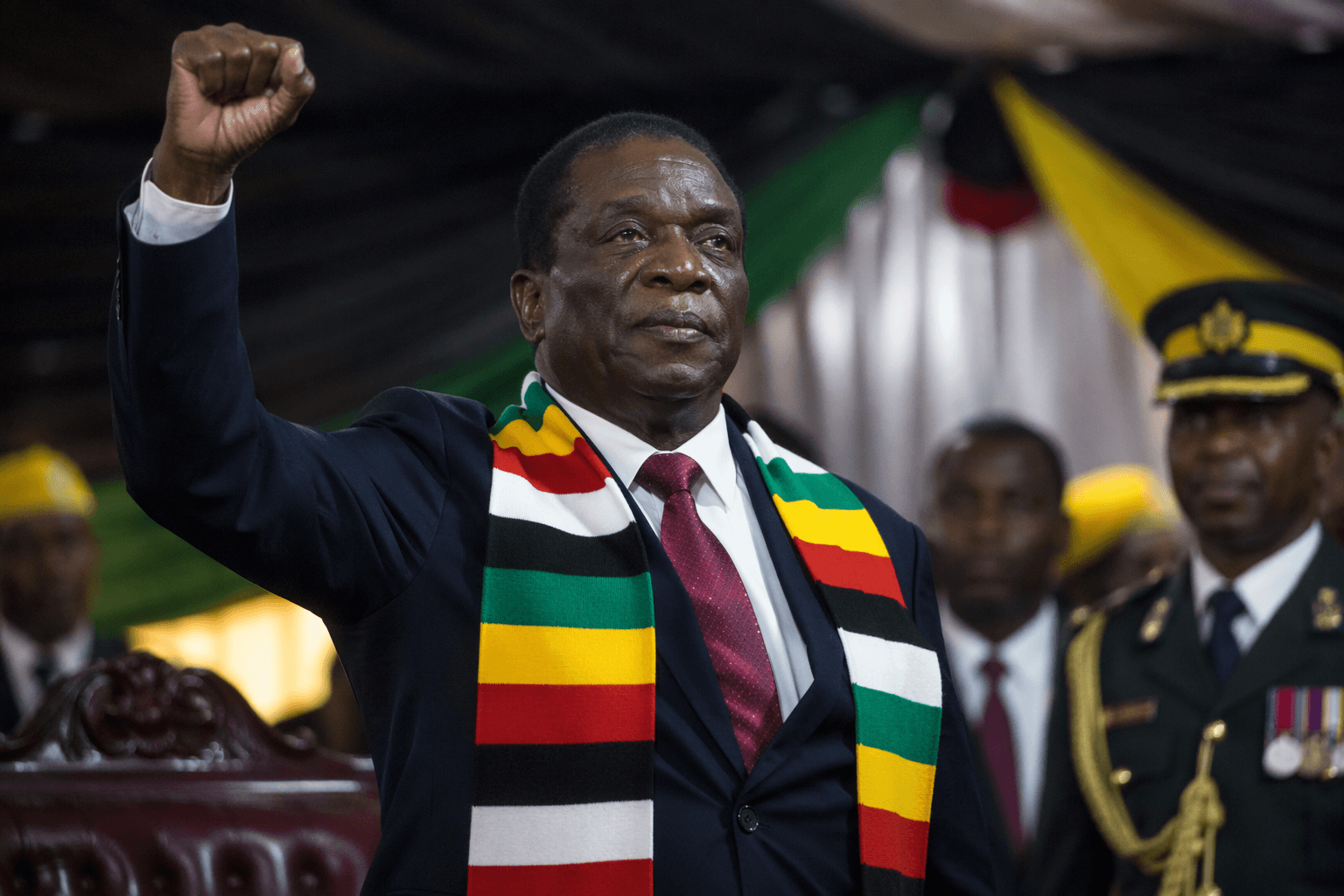
The bill still needs approval by the Senate, where passage is widely expected because ZANU-PF holds sway through allies and traditional leaders. That next step matters, but the scale of the National Assembly vote already signals the governing party’s strength and the weakness of parliamentary resistance.
Critics see more than a routine amendment. They say the proposal amounts to a power grab that would entrench Mnangagwa and weaken direct voter control over presidential authority. Supporters argue the change would improve accountability and political stability, but the core shift is unmistakable: Zimbabwe would move from electing its president directly to having lawmakers choose the country’s most powerful officeholder.
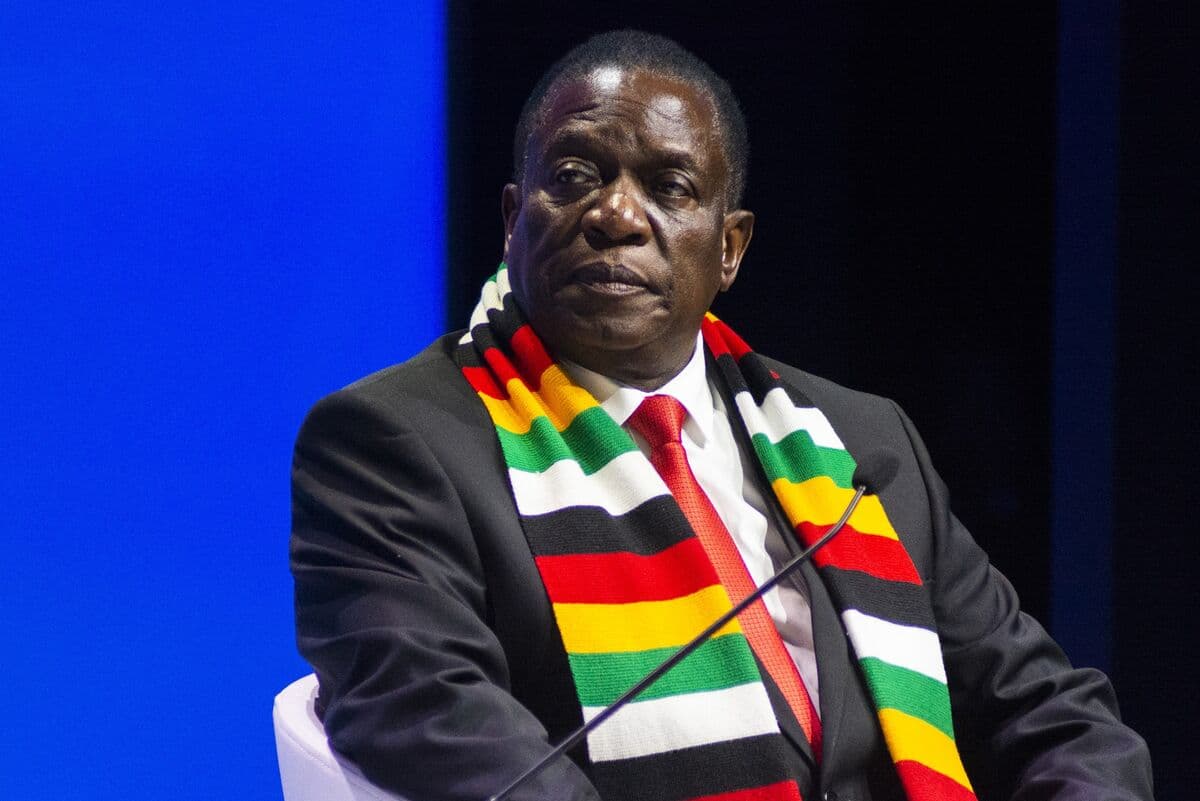
For a system built on the ballot box, that is not a technical adjustment. It is a direct challenge to how power is transferred, how citizens hold leaders to account, and how much influence voters retain over the presidency itself.
This article was produced by Prism’s automated news system from verified source data, official records, and press releases, then run through automated quality and moderation checks before publishing. The system is built and supervised by the people who set the standards it runs under. Read our full AI policy.
Know something we missed? Have a correction or additional information?
Submit a Tip