Trump administration probes Germany’s drug pricing plans under Section 301
Washington opened a Section 301 case over Germany’s drug pricing, turning a health-policy fight into a trade dispute over who pays for innovation.

The Trump administration has escalated a long-running fight over drug costs by opening a Section 301 investigation into Germany’s plans to rein in pharmaceutical spending. The case puts a blunt trade-law question to a wealthy ally: can a national health system’s effort to lower medicine bills be treated as a barrier to U.S. commerce?
U.S. Trade Representative Jamieson Greer said his office will examine whether Germany’s “persistent underpayment for innovative pharmaceutical products” is unreasonable or discriminatory and whether it burdens or restricts U.S. commerce. Greer said he was especially concerned that Berlin was fast-tracking legislation that would further reduce spending on innovative medicines, a move that could eventually expose German imports to tariff-related action if Washington finds the policy unfair.
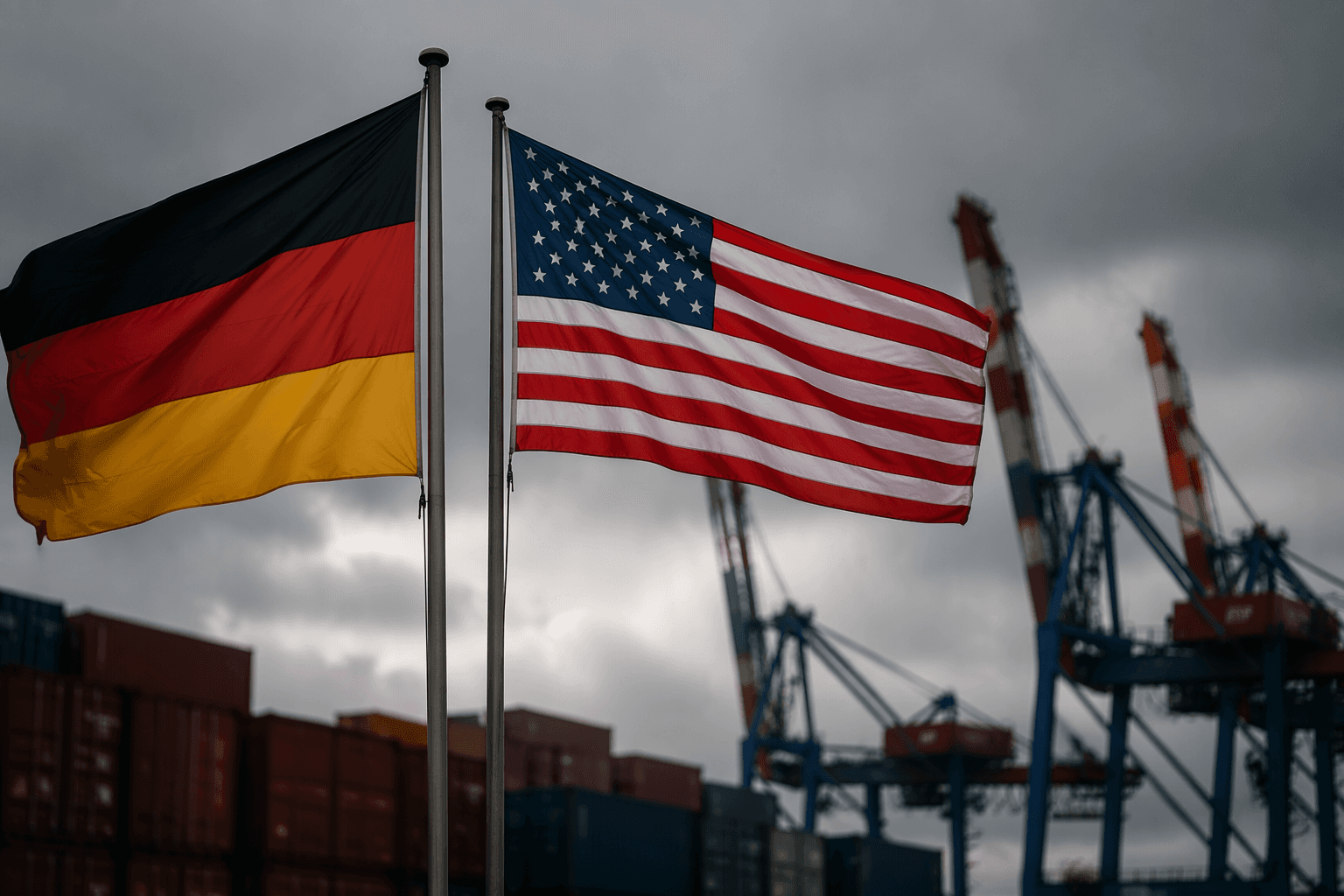
The investigation follows months of discussions with German officials and draws directly on President Trump’s May 12, 2025 directive telling USTR to act against foreign countries that force American patients to shoulder too much of the global cost of pharmaceutical research and development. USTR also pointed to the April 2, 2026 pharmaceutical pricing arrangement with the United Kingdom as a benchmark and said Germany should pursue similar negotiations. Comments in the case open June 25, 2026, and the Interagency Section 301 Committee will hold a public hearing in September, giving the dispute a long runway before any remedy is decided.
Germany’s own health-policy pressures explain why the issue has become so politically sensitive in Berlin. The government has been trying to close a funding gap of about 20 billion euros in its statutory health system, and the Federal Ministry of Health says broader reforms are under way to stabilize coverage while preserving universal access. Reuters said the ministry had previously proposed a wide-ranging package that included variable discounts on drugs, but that plan is now being replaced after opposition from the pharmaceutical industry. The ministry has also said reforms are aimed to take effect as early as 2027, while the Hospital Transformation Fund carries up to 50 billion euros in spending over ten years, including 29 billion euros from the federal government.
Drugmakers welcomed the U.S. move. Stephen J. Ubl, the chief executive of the Pharmaceutical Research and Manufacturers of America, said the group appreciates the administration’s commitment to challenging unfair practices abroad and argued that Germany, Japan, France, Canada and other high-income countries should pay their “fair share.” PhRMA said its member companies have invested more than $850 billion in new treatments and cures over the past decade and support nearly five million U.S. jobs, underscoring how the industry is tying foreign pricing rules to American innovation and employment.
The broader signal is clear: Washington is not only using trade tools against tariffs and border measures, but also against domestic regulatory decisions overseas. If the Germany probe advances, it could reset the bargaining power of governments trying to squeeze health spending and force a wider debate over why Americans still pay more for medicines than patients in peer economies.
This article was produced by Prism’s automated news system from verified source data, official records, and press releases, then run through automated quality and moderation checks before publishing. The system is built and supervised by the people who set the standards it runs under. Read our full AI policy.
Know something we missed? Have a correction or additional information?
Submit a Tip