U.S.-Iran peace talks postponed as Israeli strikes escalate in Lebanon
Israeli strikes in southern Lebanon killed at least 18 people as U.S.-Iran peace talks in Switzerland were postponed after JD Vance canceled his trip.
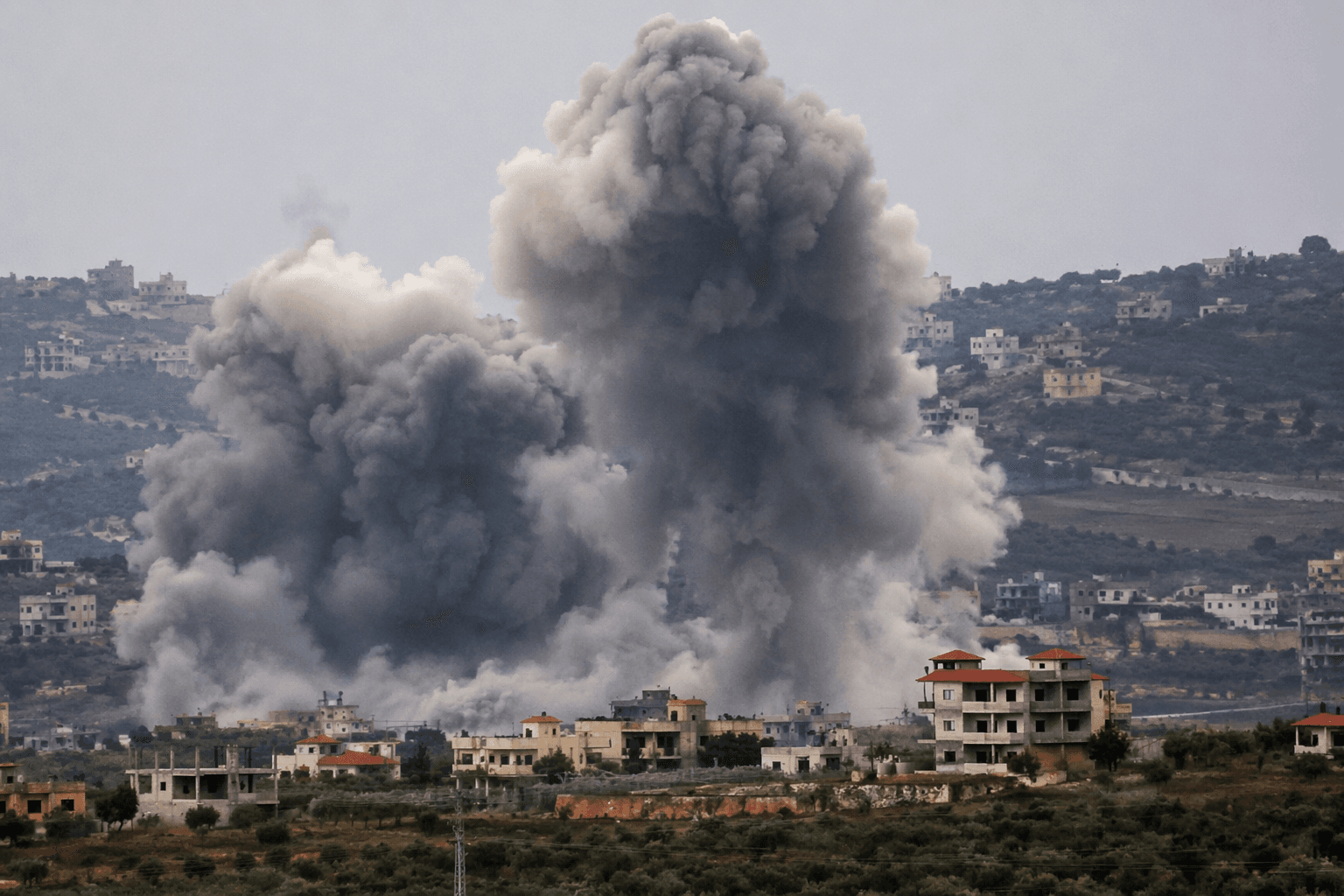
A fragile U.S.-Iran diplomatic track was knocked off course Friday when planned talks in Switzerland were postponed after Vice President JD Vance canceled his trip, just as Israeli strikes in southern Lebanon killed at least 18 people and widened the battlefield around a deal meant to end more than three months of war.
The meeting had been set for Friday, June 19, 2026, as the first round of follow-up negotiations on a memorandum aimed at turning the conflict into a more permanent peace deal. Swiss officials confirmed the talks would not take place as scheduled, and mediators were still trying to resolve the impasse.
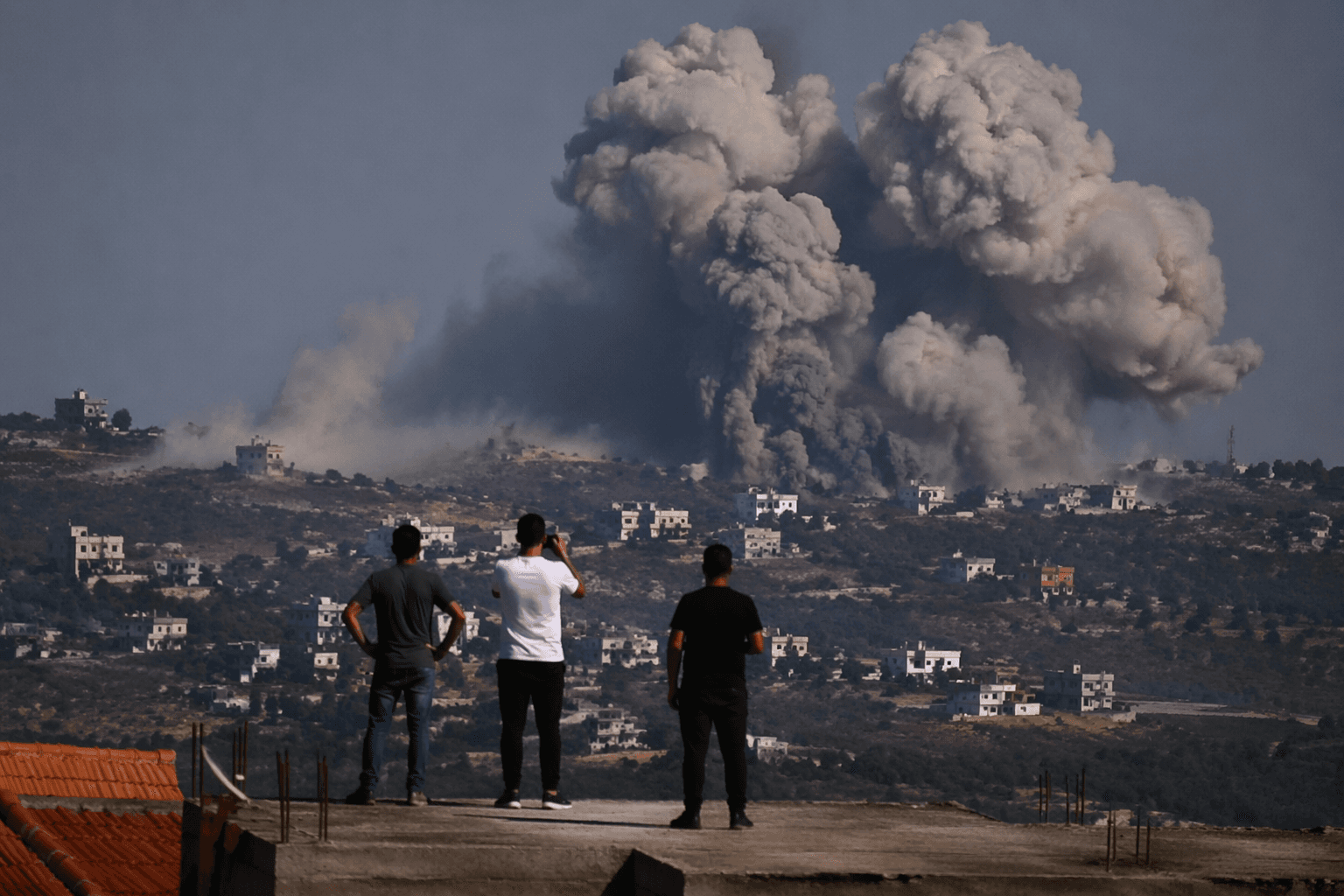
The delay underscored how quickly battlefield developments can complicate diplomacy. In southern Lebanon, Lebanese state media reported at least 18 deaths from Israeli strikes, while the Israeli military said four of its soldiers were killed, its first losses since the U.S.-Iran interim deal. The Israel Defense Forces said it hit about 80 targets linked to Hezbollah and killed dozens of Hezbollah operatives.
The fighting added pressure to a negotiating process that was already political and precarious. Iran’s chief negotiator, Mohammad Bagher Ghalibaf, said talks with the United States would remain bound by Tehran’s “red lines,” signaling that any agreement would still face hard limits from Tehran even if the parties return to the table.
For Washington, the postponement raises fresh uncertainty around a broader understanding that depends on calming the war in Lebanon and addressing Iran’s nuclear program. The talks were meant to build on a memorandum after more than three months of war, but the combination of U.S. travel disruption, Israeli escalation and Iranian conditions showed how easily the path to a larger deal can be squeezed by events on the ground.
This article was produced by Prism’s automated news system from verified source data, official records, and press releases, then run through automated quality and moderation checks before publishing. The system is built and supervised by the people who set the standards it runs under. Read our full AI policy.
Know something we missed? Have a correction or additional information?
Submit a Tip