US-Iran war drives casualties, oil shocks and soaring costs
Thousands were killed, the Pentagon pegged costs at $25 billion, and Washington then sought more than $200 billion as Hormuz reopened.

The war that began with joint U.S.-Israeli strikes on Iran on Feb. 28 quickly became an audit of ambition against cost. The Institute for the Study of War said Donald Trump announced combat operations and called on Iranians to rise up against their regime, while the strike campaign was described as aimed at toppling the Islamic Republic and carrying out decapitation strikes against Iranian leaders.
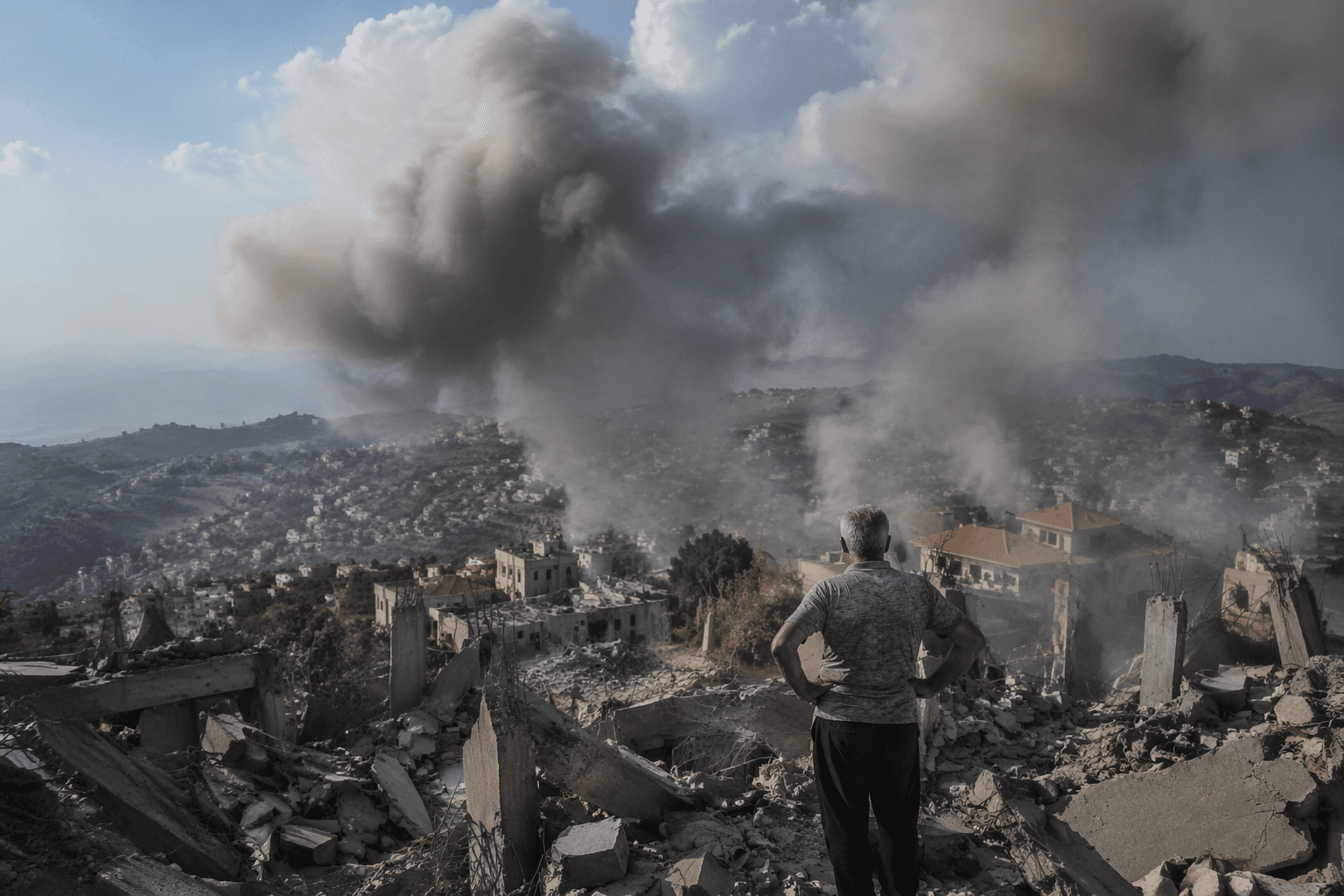
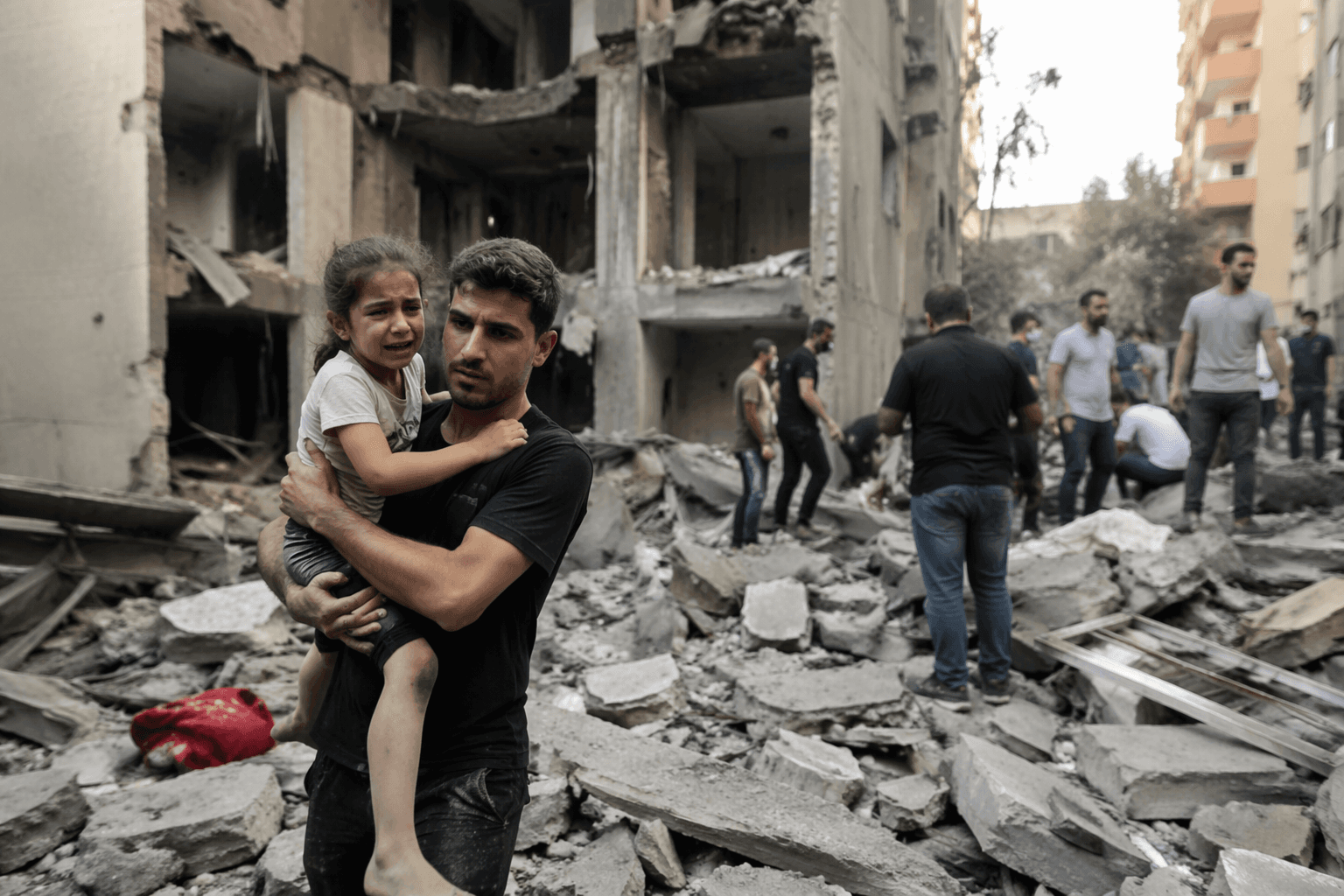
By June, the human toll had climbed into the thousands across Iran, Lebanon, Israel and other Gulf flashpoints, according to conflict trackers and later reporting. The fighting also shook energy markets, with oil prices swinging sharply as the Strait of Hormuz, the narrow waterway that carries about one-fifth of the world’s oil trade, became the central pressure point in the conflict.

The financial bill rose almost as fast. In April, a Pentagon official told Reuters the war had cost around $25 billion, the first official estimate of the campaign’s direct expense. The Pentagon later asked the White House and Congress for more than $200 billion to fund the Iran war and related bills, a request that drew criticism from lawmakers in both parties and exposed the widening gap between the war’s stated aims and its budgetary footprint.
That gap widened further as the conflict spilled across the region. Independent trackers and media reports described major equipment losses and damage to U.S. air-defense and surveillance systems, alongside casualties in Iran, Lebanon and elsewhere in the Gulf. Qatar and Pakistan pushed for diplomacy as the costs mounted, reflecting growing concern that the war was destabilizing not only the battlefield but the wider regional order.
The clearest measurable gain came only at the end of the escalation. In June, U.S. and Iranian officials said they had reached a preliminary agreement to end the war and reopen the Strait of Hormuz, a breakthrough that immediately helped ease market pressure. Reuters said the United Arab Emirates also agreed to unlock billions of dollars for Iran after weeks of Iranian attacks, signaling how deeply the war had strained Gulf states before the first political off-ramp emerged.
Taken together, the record shows a campaign that inflicted thousands of deaths, drove a $25 billion starting cost toward a possible $200 billion-plus bill, and disrupted a vital oil chokepoint before producing a limited diplomatic reset. The stated objective of forcing strategic change in Tehran did not translate into a clear, durable victory proportionate to the losses.
This article was produced by Prism’s automated news system from verified source data, official records, and press releases, then run through automated quality and moderation checks before publishing. The system is built and supervised by the people who set the standards it runs under. Read our full AI policy.
Know something we missed? Have a correction or additional information?
Submit a Tip