Bird flu kills more than 13,000 seal pups on remote islands
Bird flu swept a remote Australian territory, killing an estimated 13,359 seal pups on Heard Island and exposing how fast H5N1 reached the sub-Antarctic.
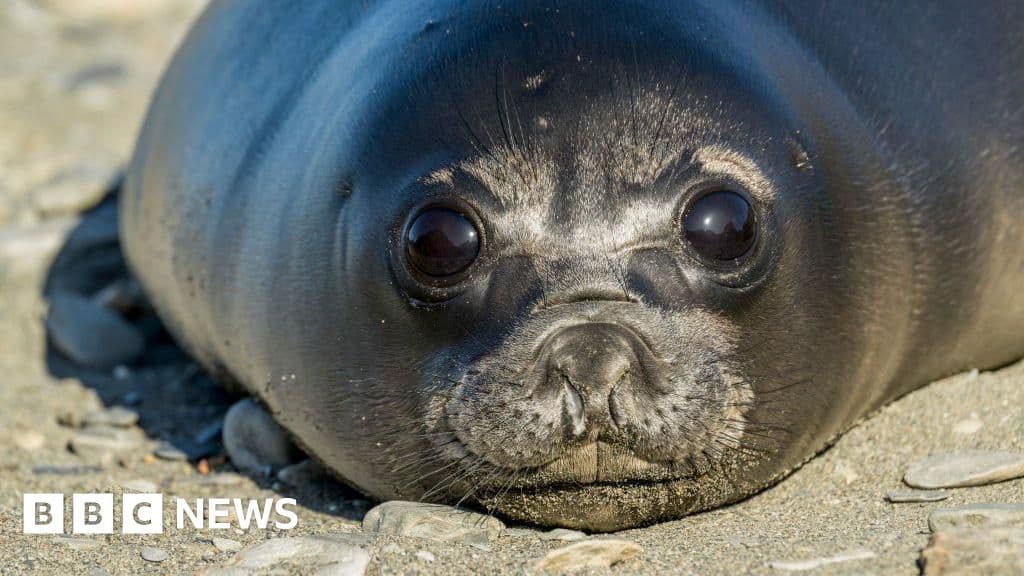
Bird flu has ripped through one of the most isolated wildlife refuges on Earth, killing an estimated 13,359 southern elephant seal pups on Heard Island and showing that remoteness offered no shield against H5N1. The outbreak hit Heard Island and McDonald Island, about 4,000 kilometres southwest of mainland Australia, and scientists say it is the first detection of H5 avian influenza in an Australian external territory.
Researchers now believe the virus reached the islands in August 2025, before it was first detected on Heard Island in October. By January 2026, surveys showed widespread elephant seal pup mortality in every breeding area checked, with an average death rate of 76% and losses as high as 97% in one area. The seal population on Heard Island was estimated at 17,364 pups, making the scale of the die-off stark even by the standards of sub-Antarctic wildlife outbreaks.
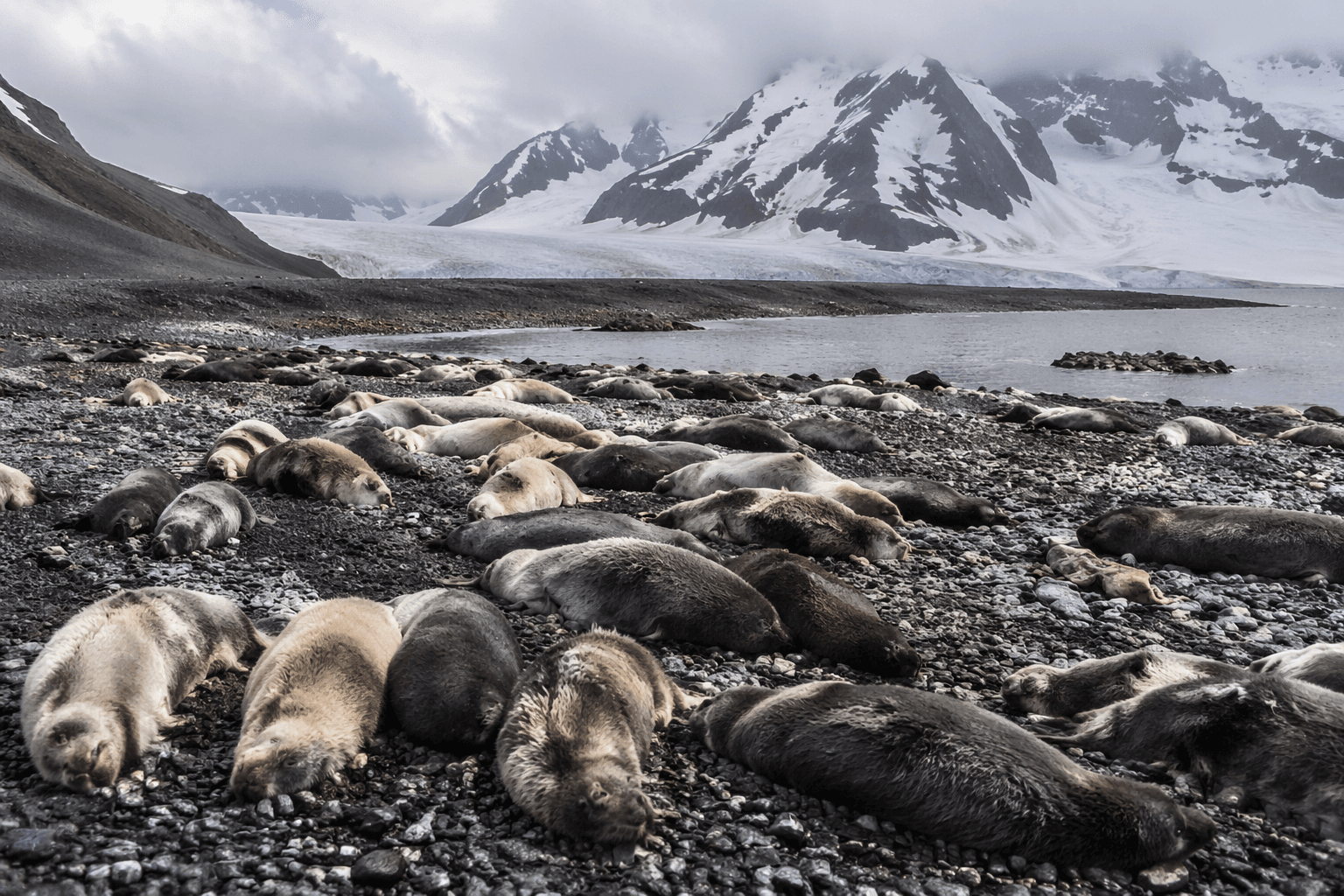
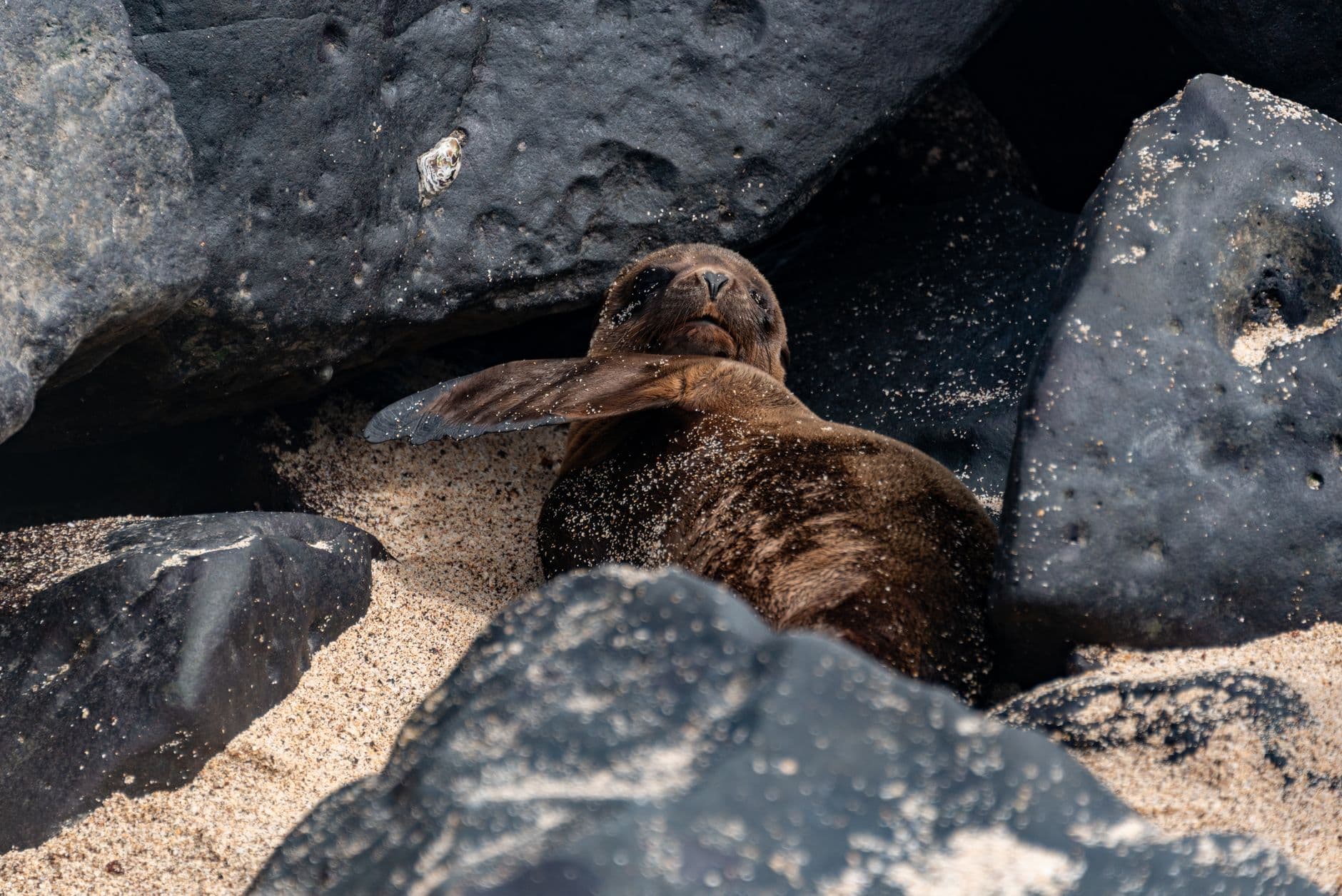
The Australian Antarctic Program said samples from nine vertebrate species were tested at CSIRO’s Australian Centre for Disease Preparedness, and six came back positive for Influenza A H5N1 clade 2.3.4.4b. Those positives included southern elephant seals, king penguins, gentoo penguins, Antarctic fur seals and South Georgia diving petrels. Researchers also reported several hundred dead adult king penguins and elevated mortality in both king and gentoo penguins. By contrast, they found no unusual mortality among albatross or the two endemic species, Heard Island shag and black-faced sheathbill.
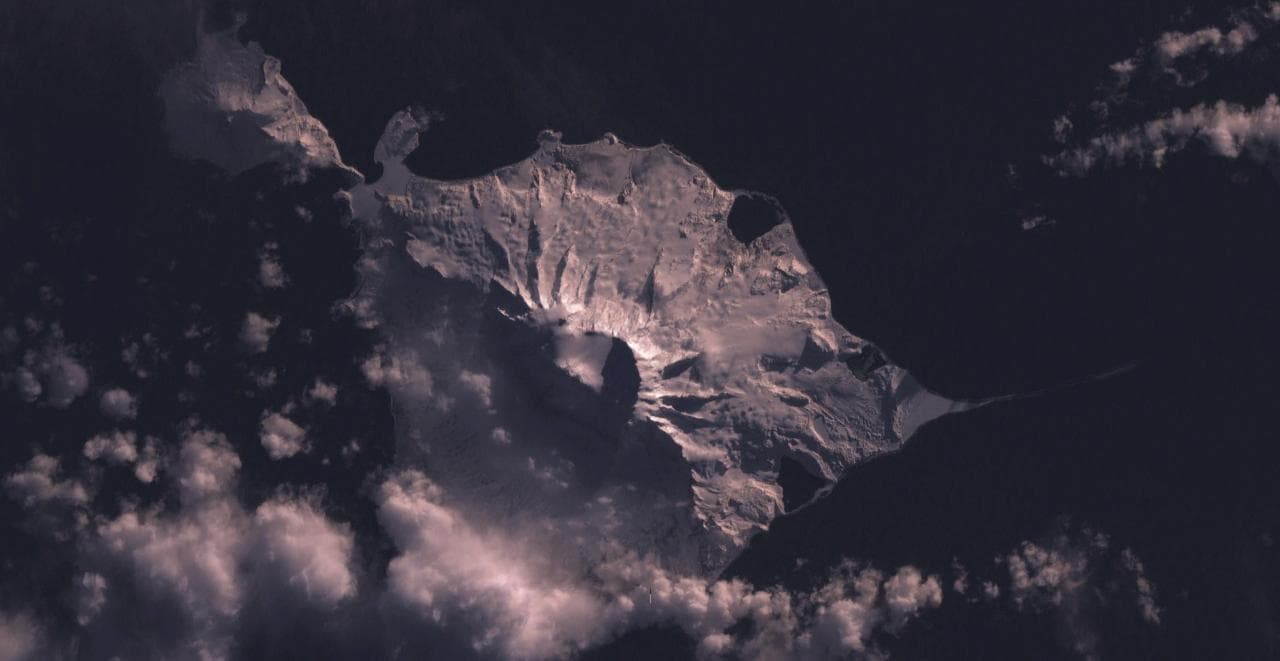
The same surveys also picked up signs of trouble on McDonald Island through drone imagery, where widespread mortality was visible by January 2026. No on-the-ground sampling was done there, so laboratory confirmation was not possible, but the pattern matched the damage seen on Heard Island. Scientists said the outbreak resembled other sub-Antarctic events, including South Georgia, where elephant seals have borne the brunt of H5 bird flu.
The findings were submitted to a scientific journal and also posted to bioRxiv, meaning they had not yet been peer reviewed. Even so, the implications are clear: Australia remains the only continent free of the highly contagious H5N1 strain, but the virus has already moved deep into fragile ecosystems that shelter more than one million breeding seabirds and seals. That matters most for southern elephant seals, now listed as vulnerable to extinction on the IUCN Red List, because disease pressure is arriving on top of an already stressed marine population.
This article was produced by Prism’s automated news system from verified source data, official records, and press releases, then run through automated quality and moderation checks before publishing. The system is built and supervised by the people who set the standards it runs under. Read our full AI policy.
Know something we missed? Have a correction or additional information?
Submit a Tip