Lebanon clashes kill 22 as U.S.-Iran talks in Switzerland stall
Lebanon’s truce frayed as 18 people were killed in southern Lebanon while Washington postponed U.S.-Iran talks in Switzerland, dimming hopes of a quick ceasefire.
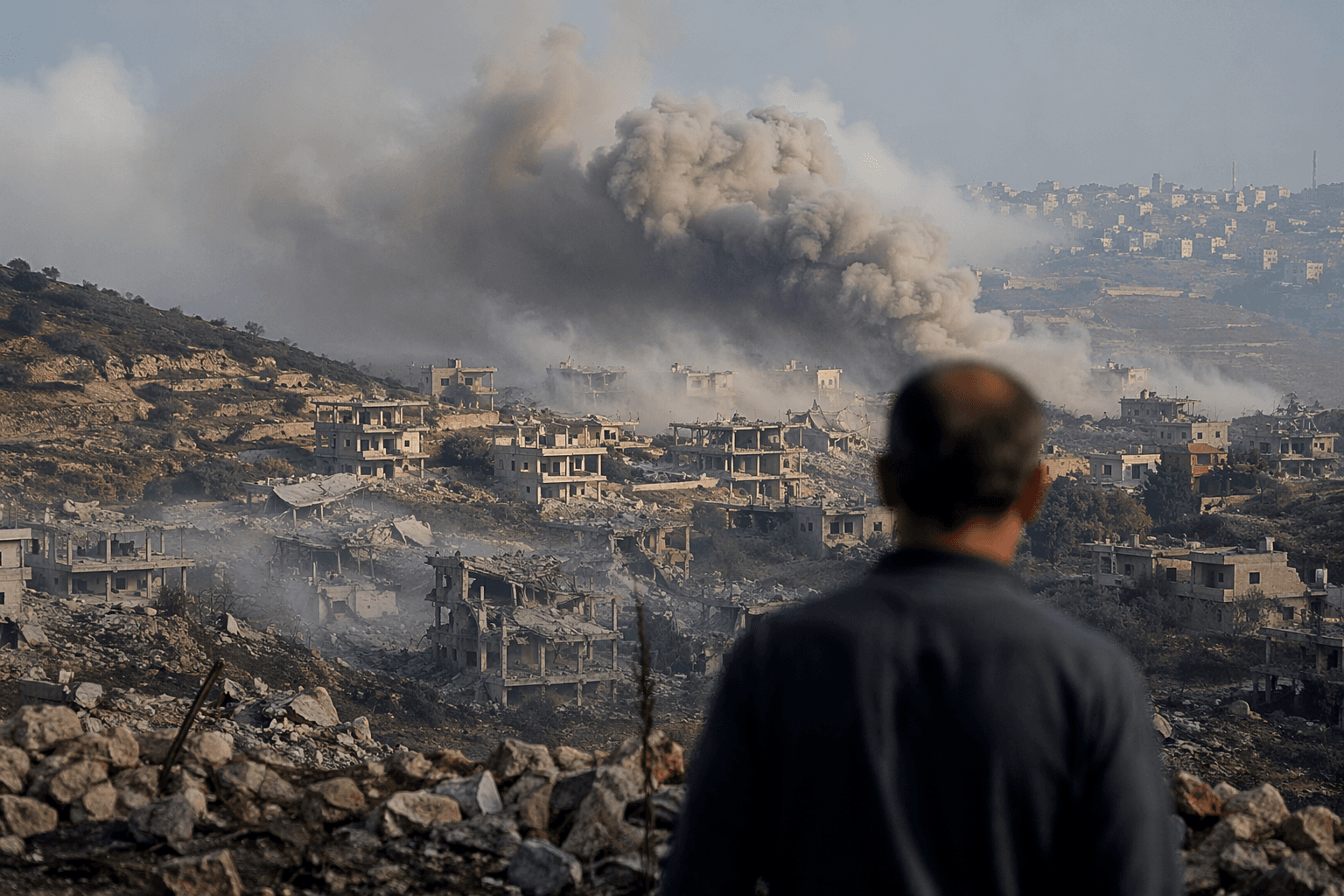
Airstrikes and ground fighting in southern Lebanon killed at least 18 people and wounded 33 more as a fragile diplomatic track between the United States and Iran slid into delay. Four Israeli soldiers were also killed in one of the deadliest single incidents since the latest escalation began, underscoring how quickly the battlefield moved ahead of the talks meant to slow it.
The White House said Vice President JD Vance was delaying a trip to Switzerland for a new round of negotiations with Iran, and Swiss officials later said the talks at the Bürgenstock resort would not proceed as planned. Officials cited logistics, but the postponement immediately raised the stakes for a process that was supposed to follow an initial U.S.-Iran agreement announced earlier in the week. Switzerland said it remained ready to facilitate the talks and that preparatory work at Bürgenstock was continuing.
The timing mattered because the negotiations were meant to work out next steps, not just restate broad principles. That makes the delay look tactical, at least for now: the machinery of diplomacy was still in place, yet the moment for turning an outline into a workable ceasefire slipped further away. In practice, that left open the possibility that the pause was only about logistics. It also signaled that Washington was not treating the meeting as urgent enough to override the complications of convening it.
The violence in Lebanon showed how little room remained for drift. The Lebanese health ministry said intensive airstrikes since midnight hampered rescue and evacuation efforts in the south, and officials warned the toll could rise. The Israeli military said four soldiers were killed in southern Lebanon, one of the deadliest single episodes since the latest escalation began. Earlier attacks in June had already killed at least 12 people across several sites, and another strike on June 19 killed at least 15 more in southern Lebanon, deepening doubts that any truce was holding.
The diplomatic dispute over Lebanon only sharpened the uncertainty. The U.S.-Iran deal was reported to include a ceasefire reference that would affect Lebanon as well, but Iran insisted Lebanon had to be included in any arrangement while Israel rejected that linkage, arguing its conflict with Hezbollah was separate from its war with Iran. Donald Trump said on Truth Social that he expected a ceasefire to take effect on “all fronts,” including the fighting between Israel and Hezbollah.
That gap between the language of diplomacy and the pace of escalation now defines the crisis. If the postponed talks resume quickly, the delay may prove temporary. If they slip further, the odds of containing the conflict will fall just as the violence keeps spreading.
This article was produced by Prism’s automated news system from verified source data, official records, and press releases, then run through automated quality and moderation checks before publishing. The system is built and supervised by the people who set the standards it runs under. Read our full AI policy.
Know something we missed? Have a correction or additional information?
Submit a Tip