Fresno Police Warn of Top Five Scams Targeting Elderly, Provide Reporting Instructions
Fresno Police posted a warning listing the top five scams targeting elderly residents — learn the red flags, local examples, and exactly how to report suspicious calls to Fresno PD and the county sheriff.
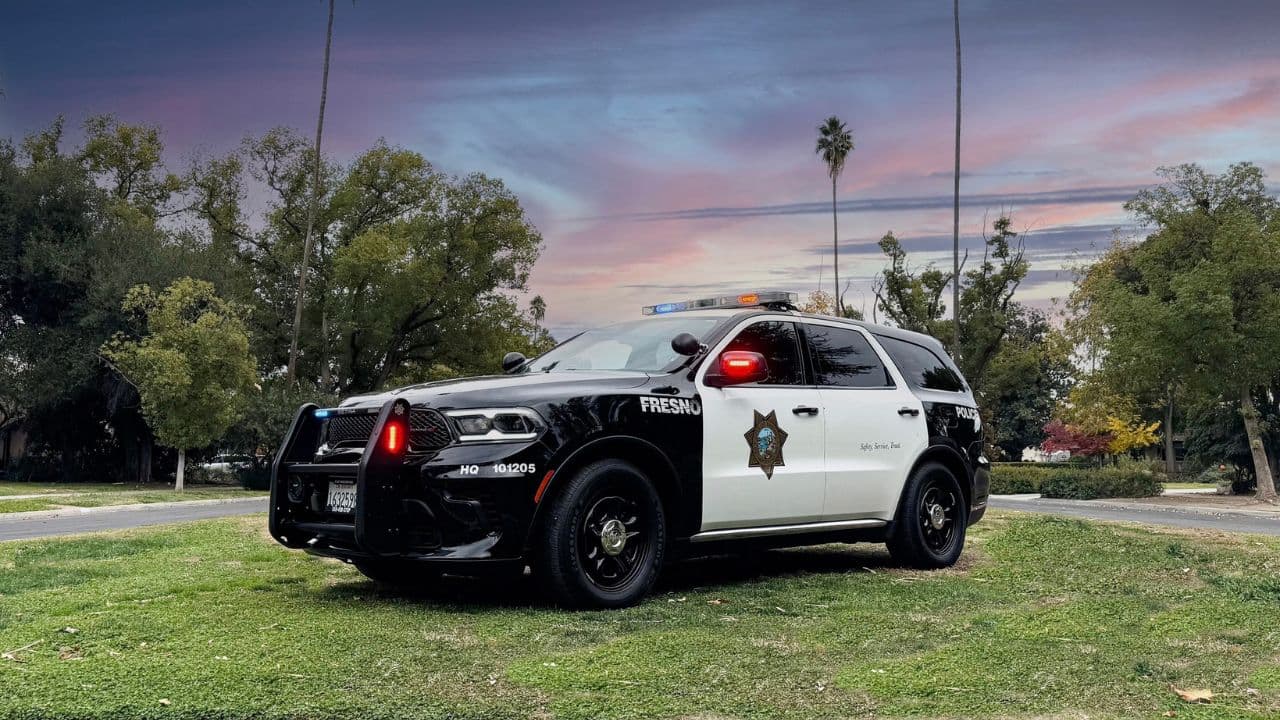
Fresno Police Department posted “TOP 5 SCAMS TARGETING OUR ELDERLY COMMUNITY” on Facebook and urged families to “Protect Yourself. Protect Your Loved Ones. 🛡️” The advisory lists five specific schemes, the red flags to watch for, and local reporting contacts including the Fresno PD Financial Crimes Unit and the Fresno County Sheriff’s online reporting portal.
1. Imposter / Government Agency Scams
Scammers pose as law enforcement, IRS, Social Security or court officials and claim you owe money or missed jury duty; Fresno PD warns, “No government agency will ever demand payment by phone, gift card, or wire transfer.” These calls often use scare tactics and sometimes spoof legitimate numbers to appear credible; the Fresno County Sheriff’s Office has separately warned that callers may claim to work for the department and even promise to release an incarcerated loved one if relatives pay bail directly. The sheriff’s office bluntly advises: “If you've ever gotten this call, hang up immediately.” Document any caller name or number and report the call to local law enforcement.
2. Bank & Financial Account Scams
Victims receive calls or texts saying their bank accounts are locked or compromised, and scammers direct targets to fake websites or request verification codes; Fresno PD stresses, “Banks never ask for PINs, passwords, or codes over the phone. Banks do not send couriers to pick up debit cards.” Scammers will try to obtain one‑time codes or remote confirmation that lets them take control of accounts; if someone asks for a code or urges you to move money or hand over a card, treat it as a red flag and confirm the contact through your bank’s official number before taking any action.
3. Tech Support Scams
A caller or pop‑up will claim your computer has a virus and demand remote access or payment; Fresno PD warns that “Legitimate companies do not cold call offering tech support.” These scams frequently start with a sudden pop‑up or an unsolicited call and escalate to requests for payment, gift cards, or remote access software that hands control to criminals. Never grant remote access or install software at a caller’s request; instead, contact the company directly using a number from their official website or consult a trusted tech support provider.
4. Grandparent / Emergency Scams
Scammers impersonate a grandchild or other relative in urgent need of money and press for immediate payment — often via gift card or wire transfer; Fresno PD cautions, “Scammers rely on panic—always verify with another family member.” The feature of urgency is intentional: it short‑circuits verification and leverages emotional response. Before sending any funds, call the relative on a known number or contact another family member; if you can’t verify, refuse requests and contact law enforcement.
5. Prize, Lottery, or Sweepstakes Scams
Targets are told they’ve won a large prize but must pay fees or taxes to claim it; Fresno PD’s clear warning: “You never have to pay to claim a legitimate prize.” These schemes ask for payment via gift cards, wire transfers, or bank information and often follow up with more demands once initial fees are paid. Treat any unexpected “you’ve won” notice that asks for payment as fraudulent and do not provide bank or personal information to claim a prize.

- Hang up on unsolicited calls📵 — do not continue the conversation.
- Never share personal or financial information🔒 over the phone or by text.
- Never purchase gift cards for payment or withdraw large sums of cash at the request of a caller💳.
- Do not click on unknown links🔗 or follow instructions from pop‑ups.
- Verify suspicious claims with a trusted family member or your bank👪.
How to stay safe (practical steps Fresno PD included)
- Fresno Police Department — Non‑Emergency: (559) 621-7000; Emergency: 9-1-1; Financial Crimes Unit email: Financialcrimes@fresno.gov (as provided in the Fresno PD Facebook advisory).
- Fresno County Sheriff — file online at the sheriff’s website: go to the homepage, click “Report a Crime” at the top of the page and select “Harassing Phone Call” to submit a report. The sheriff’s office specifically advises documenting caller names and phone numbers when reporting.
- You may also file a complaint with the Federal Trade Commission; law enforcement and consumer advocates encourage filing to help national tracking of scam trends.
How to report in Fresno County
Local context and regional pattern Fresno’s warning arrives amid a broader wave of county alerts across California: other sheriff’s offices and police departments from Placer to Kern, Modesto to San Diego, have issued similar advisories. San Diego County’s sheriff has even warned about scammers using AI to clone voices and mimic faces, underlining how technology is changing tactics. Locally, KMPH reporting by James Mora highlighted calls targeting families of incarcerated people claiming to work for the sheriff’s office and asking for fraudulent bail payments — a variation that uses number‑spoofing to appear legitimate. These regional examples underscore that scams move in waves and adapt quickly.
Community guidance from local watchdogs As the advisory on Goldrushcam notes, “These scams are scare tactics that tend to come in waves and often target our most vulnerable populations. It’s important for everyone to stay aware of this trend and have a discussion with family and friends to educate and identify these fraudulent attempts.” The same guidance urges residents to document any information, such as the caller’s name or phone number, and to report to the law enforcement agency overseeing your jurisdiction — using Fresno PD contacts or the Fresno County Sheriff’s online reporting system when relevant.
Final note Fresno Police Department’s clear red‑flag language — from “No government agency will ever demand payment by phone, gift card, or wire transfer” to “Banks never ask for PINs, passwords, or codes over the phone” — gives caregivers and seniors concrete rules to apply the next time a suspicious call arrives. Keep these rules at hand, document caller details, and report every incident to the contacts above so investigators can track trends and pursue perpetrators. Law enforcement and consumer agencies say vigilance and rapid reporting are the best immediate defenses.
Know something we missed? Have a correction or additional information?
Submit a Tip