Frigid blast forces U.S. grids to emergency steps as prices surge
Cold snap prompted grid operators to enact emergency precautions and pushed PJM spot prices to near $3,000 per megawatt-hour, stressing supplies and markets.
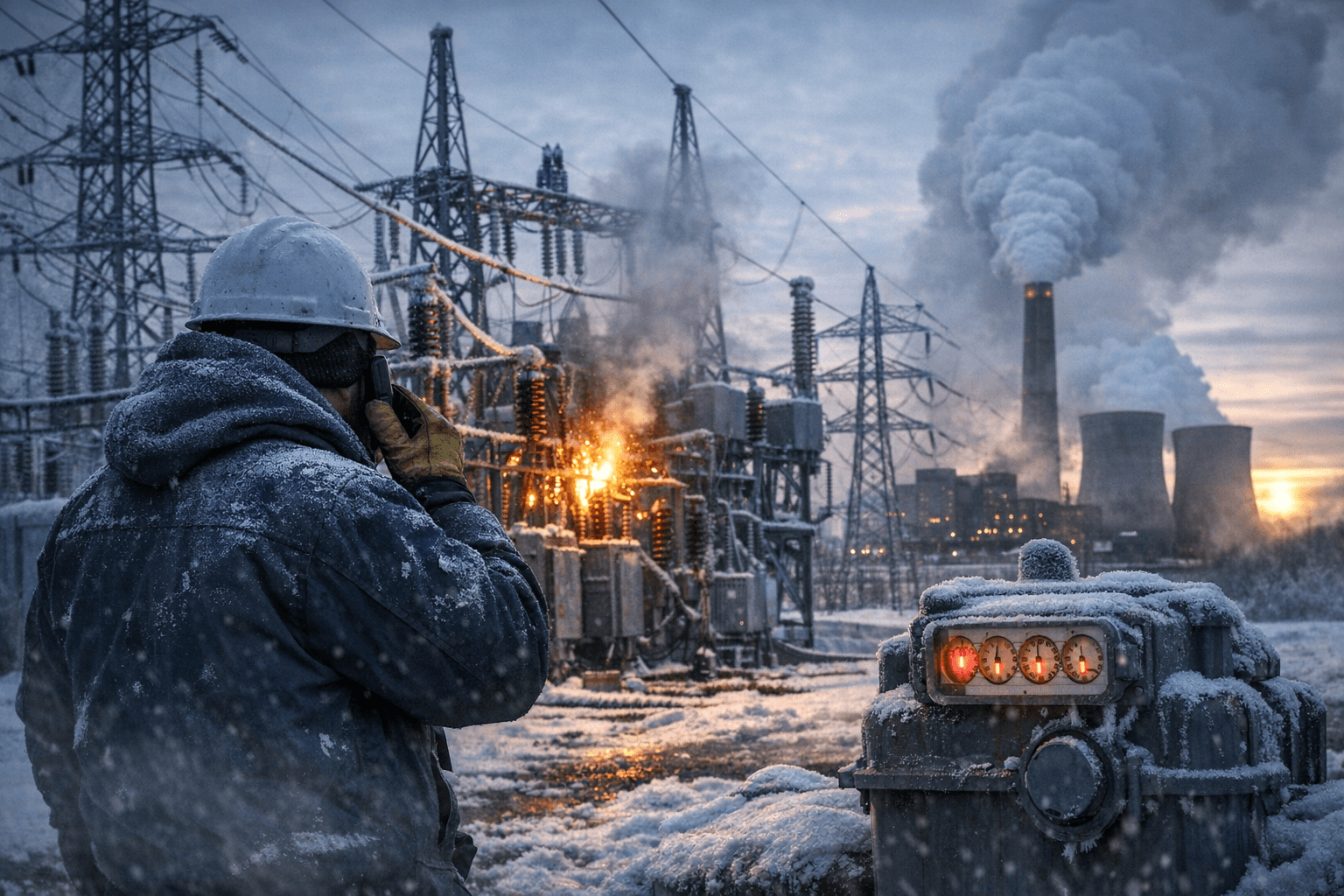
Regional U.S. grid operators moved into emergency modes as an intense arctic blast drove heating demand sharply higher on Jan. 24, 2026, straining fuel supplies and sending spot wholesale electricity prices in PJM Interconnection to near $3,000 per megawatt-hour. The surge forced operators to call on emergency procedures intended to preserve reliability as thermal generation and fuel delivery struggled to keep pace with a spike in winter load.
PJM, which serves much of the East and Mid-Atlantic, reported the temporary price spike as system operators balanced tighter-than-normal reserves against a steep demand curve. Grid operators elsewhere in the Northeast and Midwest also implemented emergency precautions, signaling a regional stress event rather than an isolated market blip. The combination of record-low temperatures and constrained fuel availability created classic scarcity conditions in organized wholesale markets, where scarcity pricing can rise dramatically when reserve margins shrink.
The market reaction was immediate and acute. Spot prices approaching $3,000 per megawatt-hour are orders of magnitude above typical winter wholesale levels and reflect emergency scarcity rather than persistent market trends. For electricity retailers and market participants that did not hedge exposure, such intraday volatility can produce outsized settlement liabilities; for consumers the spike can translate into higher short-term bills and heightened wholesale costs passed through in some retail contracts. Power generators running during the event faced elevated revenues for dispatched energy, while fuel suppliers and pipeline operators came under scrutiny for their ability to deliver under stress.
Fuel dynamics were central to the strain. Natural gas supplies, which historically shoulder a large share of winter electric generation, are vulnerable to delivery constraints and high demand for residential heating during severe cold. When pipeline capacity tightens, gas-fired generators can face curtailed fuel or steep price escalation, forcing system operators to rely on oil-fired units, demand-response, and emergency imports of energy where available. That substitution raises costs and can exacerbate emissions tradeoffs.
The episode underscores policy fault lines that have emerged as the power system evolves. Regulators and market designers must weigh whether existing capacity and fuel-assurance mechanisms are adequate for an electrified economy that increasingly depends on electricity for heating and transportation. The situation highlights the limits of energy-only markets in extreme weather and bolsters arguments for stronger winterization standards, targeted capacity payments for fuel-secure resources, and investments in flexible assets such as long-duration storage and demand-side management.
Longer-term trends suggest these stress events may become more frequent. Accelerating electrification raises winter peak demand, while more variable renewable output increases the need for dispatchable backup. Climate-driven extremes create a paradox: decarbonization reduces long-run exposure to fossil-fuel price swings but increases near-term reliance on system flexibility and robust fuel logistics.
Federal and state regulators are likely to review the event for lessons on market design, fuel assurance, and infrastructure resilience. For now, the emergency precautions on Jan. 24 illustrated both the grid’s ability to avert blackouts under stress and the economic fragility of a system still adapting to rapidly changing demand patterns and weather volatility.
This article was produced by Prism’s automated news system from verified source data, official records, and press releases, then run through automated quality and moderation checks before publishing. The system is built and supervised by the people who set the standards it runs under. Read our full AI policy.
Did this article answer your question?

