FTC Orders Boeing to Divest Spirit Assets, Clears Path for Deal
The Federal Trade Commission required Boeing to divest significant Spirit AeroSystems assets to resolve competition concerns tied to Boeing’s planned acquisition of Spirit. The consent order aims to preserve supply options for rival airframers, a decision that could shape aircraft production costs and industry competition going forward.
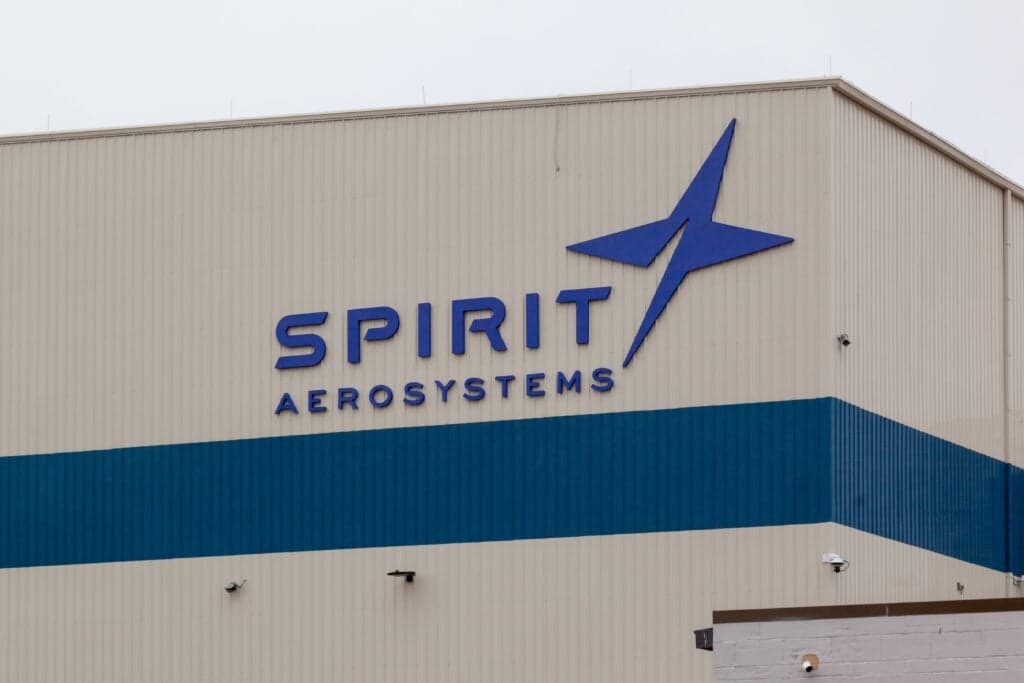
The Federal Trade Commission on Wednesday said Boeing must divest substantial Spirit AeroSystems businesses that supply aerostructures to Airbus as a condition for approving Boeing’s acquisition of Spirit. The consent order, announced December 3, 2025, includes additional regulatory oversight and the appointment of monitors to ensure compliance, reflecting the agency’s concerns that the transaction could give Boeing undue control over inputs used by rival airframers.
Regulators framed the remedy as necessary to prevent the merged company from constraining access to fuselages, wing sections and other aerostructures that are critical to the production schedules of other manufacturers. The action sought to address the potential for vertical integration to reduce competition in the market for aerostructure supply, which the FTC said could harm aircraft makers and ultimately airlines and passengers through higher prices or disrupted deliveries.
Boeing publicly welcomed the FTC’s path to approval and said it expects to complete the transaction by year end, subject to the required divestments. The company has indicated it will work with regulators to identify assets for sale and to implement the monitoring regime mandated by the consent order.
The decision underscores how antitrust authorities are scrutinizing deals that combine major manufacturers with key suppliers. Boeing and Airbus together account for roughly 90 percent of the global market for large commercial jets, and regulators said the proposed tie up threatened to concentrate power over components that both companies rely on. By forcing divestitures of Spirit operations that serve Airbus, the FTC sought to maintain multiple independent suppliers in a market where a small number of parts producers can exert disproportionate influence on aircraft production and pricing.
Economists and industry analysts said the consent order is likely to preserve more stable supplier competition, reducing the risk that Boeing could favor its own production needs at the expense of rivals. Preserving third party supply options helps insulate airlines from single source disruptions that have in recent years contributed to volatile delivery schedules and spare parts shortages.
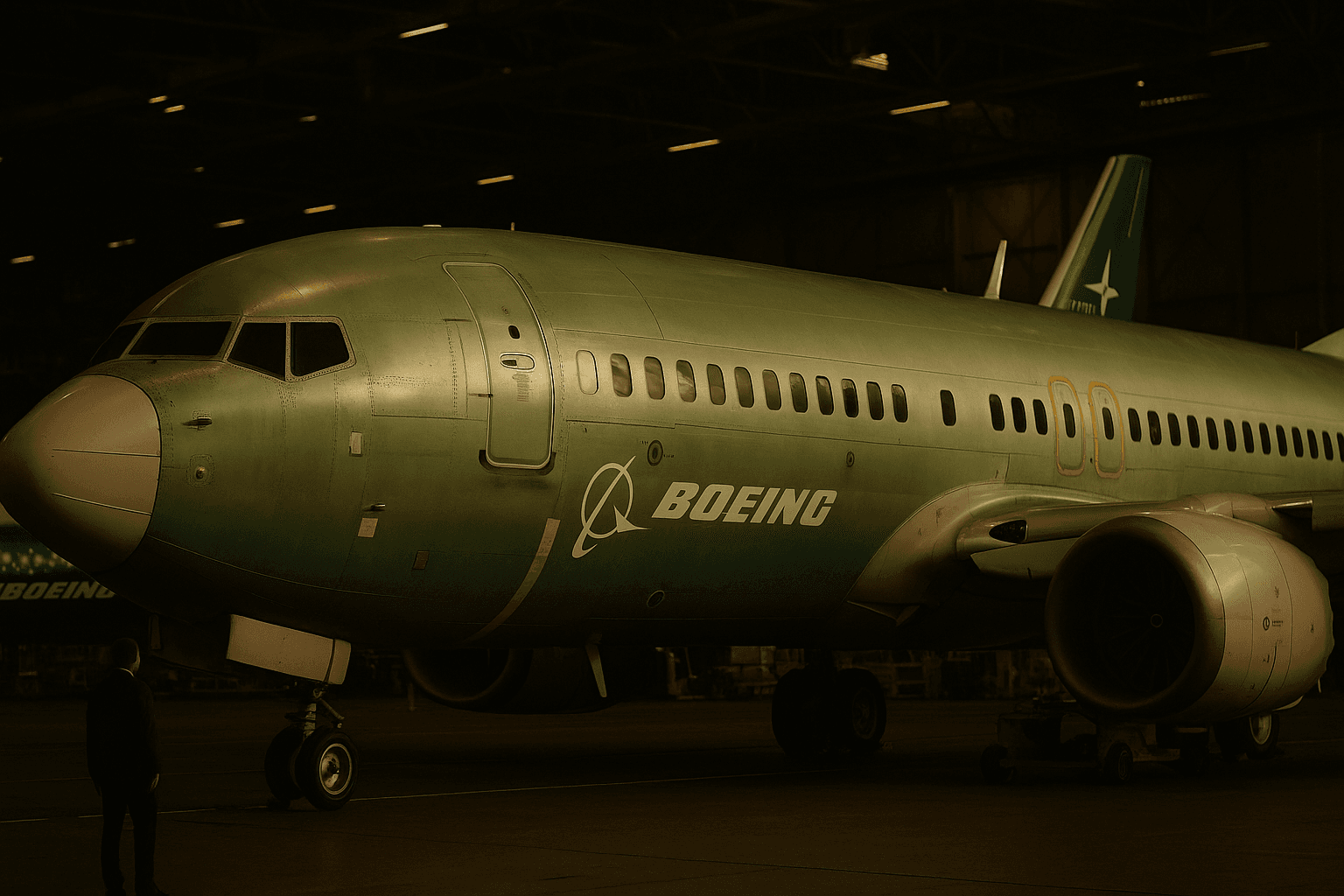
Investors will watch how quickly Boeing can identify buyers for the divested units and whether divestiture terms lead to meaningful changes in Spirit’s footprint. The deal originally promised to consolidate a major airframe supplier into Boeing’s portfolio, a move proponents said could yield efficiency gains through closer coordination. The FTC’s remedy reflects a different priority, placing competition in input markets ahead of potential integration benefits.
The regulatory intervention also signals a broader shift in merger review, with authorities more willing to require structural separations to protect rival manufacturers. As consolidation and supply chain stress persist across aerospace, the outcome of Boeing’s divestitures could become a template for how regulators balance vertical integration against competitive harms.
With the consent order in place, the timeline for closing hinges on executing the prescribed divestitures and satisfying monitor requirements, steps Boeing says it intends to complete before the end of the year. Regulators will remain involved as buyers are vetted and the divested businesses move into new ownership.
This article was produced by Prism’s automated news system from verified source data, official records, and press releases, then run through automated quality and moderation checks before publishing. The system is built and supervised by the people who set the standards it runs under. Read our full AI policy.
Did this article answer your question?

