FTC Unveils 2026-2030 Strategic Plan Prioritizing Consumer Protection and Competition
Chairman Ferguson's FTC called children's online safety "one of the most important consumer protection issues of our time" in a plan that also limits its own regulatory reach.

Chairman Andrew N. Ferguson's Federal Trade Commission laid out a five-year enforcement blueprint on April 3 that elevates children's online safety to a named agency priority while restoring language that explicitly limits regulatory ambition, a combination that tells regulated industries both where scrutiny will intensify and where the agency intends to pull back.
The Fiscal Years 2026-2030 Strategic Plan is organized around three strategic goals: protecting consumers from unfair or deceptive acts and practices; enforcing competition law and promoting competitive markets; and maximizing mission outcomes through operational excellence. Beneath those goals sit dozens of performance metrics spanning complaint intake, merger review transparency, digital market economic analysis and interagency coordination with state attorneys general and the Department of Justice.
Ferguson's introductory message returned a phrase absent from recent FTC strategic frameworks: the agency will pursue its mission "without unduly burdening legitimate business activity." In explaining the inclusion, Ferguson said it reflects "our commitment to end overregulation of American businesses that compete fairly and deal honestly with consumers." Business groups welcomed the language as a signal toward calibrated enforcement; child-safety advocates pressed for aggressive action and faster rulemaking, wary that softer framing could slow cases already in the pipeline.
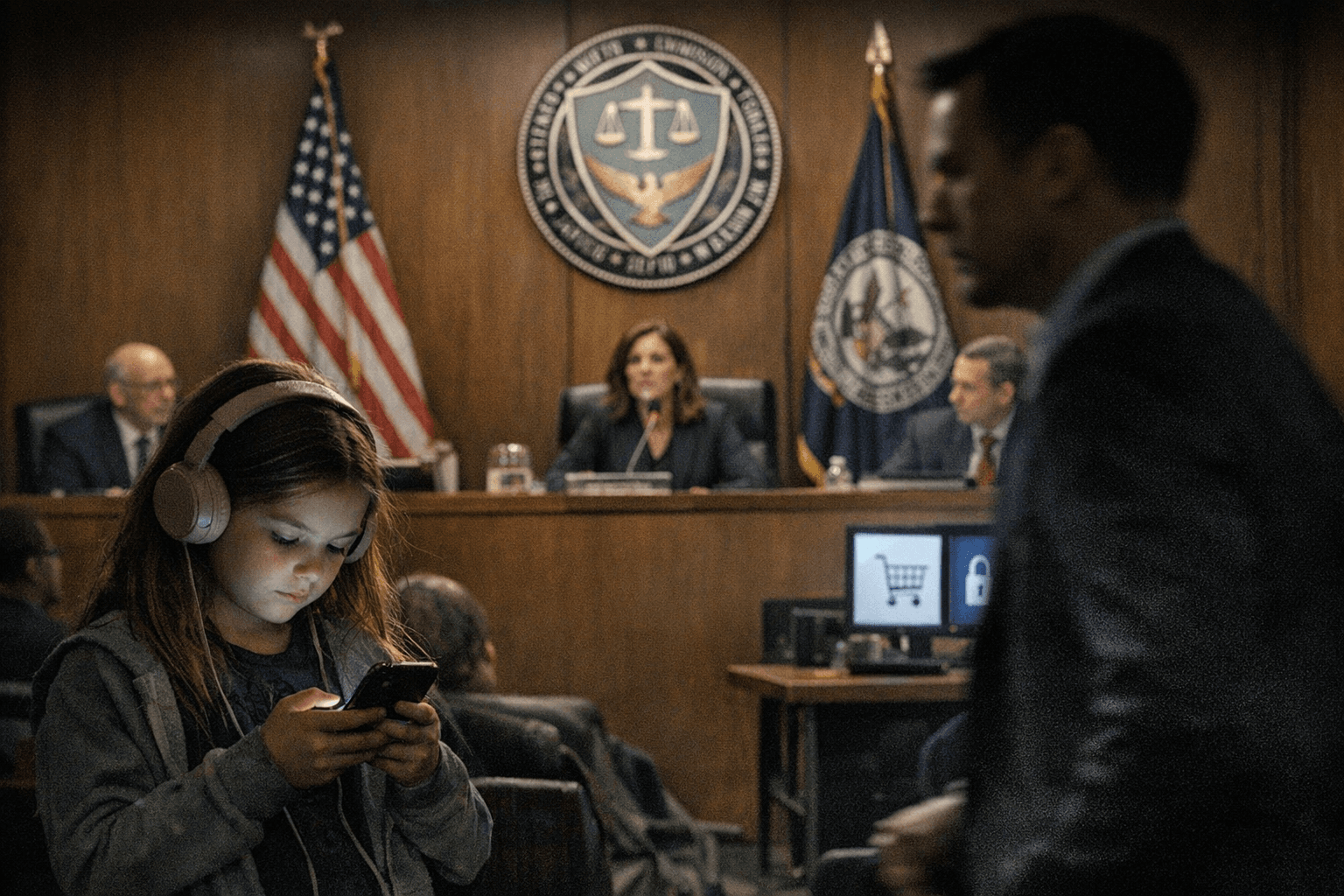
Ferguson was unambiguous on one front, however. He called protecting children online "one of the most important consumer protection issues of our time," and the plan backs that language with a concrete commitment to COPPA, the Children's Online Privacy Protection Act, which the agency described as among its most valuable ongoing enforcement work. Social platforms, gaming companies and educational technology providers now face the clearest signal yet that FTC investigators will scrutinize their data collection practices, advertising targeting and app design.
The plan also doubles down on unlawful robocalls and Do Not Call Registry enforcement, and names new statutory authority under the Take It Down Act as an additional enforcement tool. Merger review gets updated transparency requirements, with the agency signaling it will more quickly clear deals posing no competitive concerns while building documented records for those that do.
What the plan does not include is sweeping prescriptive rulemaking of the kind that defined the Biden-era FTC under Chair Lina Khan. Ferguson's case-by-case, evidence-driven posture points toward targeted litigation and investigations over broad industry-wide rules, reducing regulatory uncertainty for business even as it concentrates pressure on specific actors and sectors.
The first test cases will almost certainly come from children's data. COPPA compliance across ad-supported apps, school-facing platforms and social networks has been uneven for years; the plan's explicit focus points enforcement staff directly toward that gap, and the five-year horizon gives investigators the runway to pursue it methodically.
This article was produced by Prism’s automated news system from verified source data, official records, and press releases, then run through automated quality and moderation checks before publishing. The system is built and supervised by the people who set the standards it runs under. Read our full AI policy.
Did this article answer your question?