Fuel Costs Rise at Fastest Monthly Rate, RAC Warns Drivers
Petrol jumped 20p per litre in March, adding £11 to a full tank, while diesel surged 40p, pushing a 55-litre fill above £100 for the first time since late 2022.

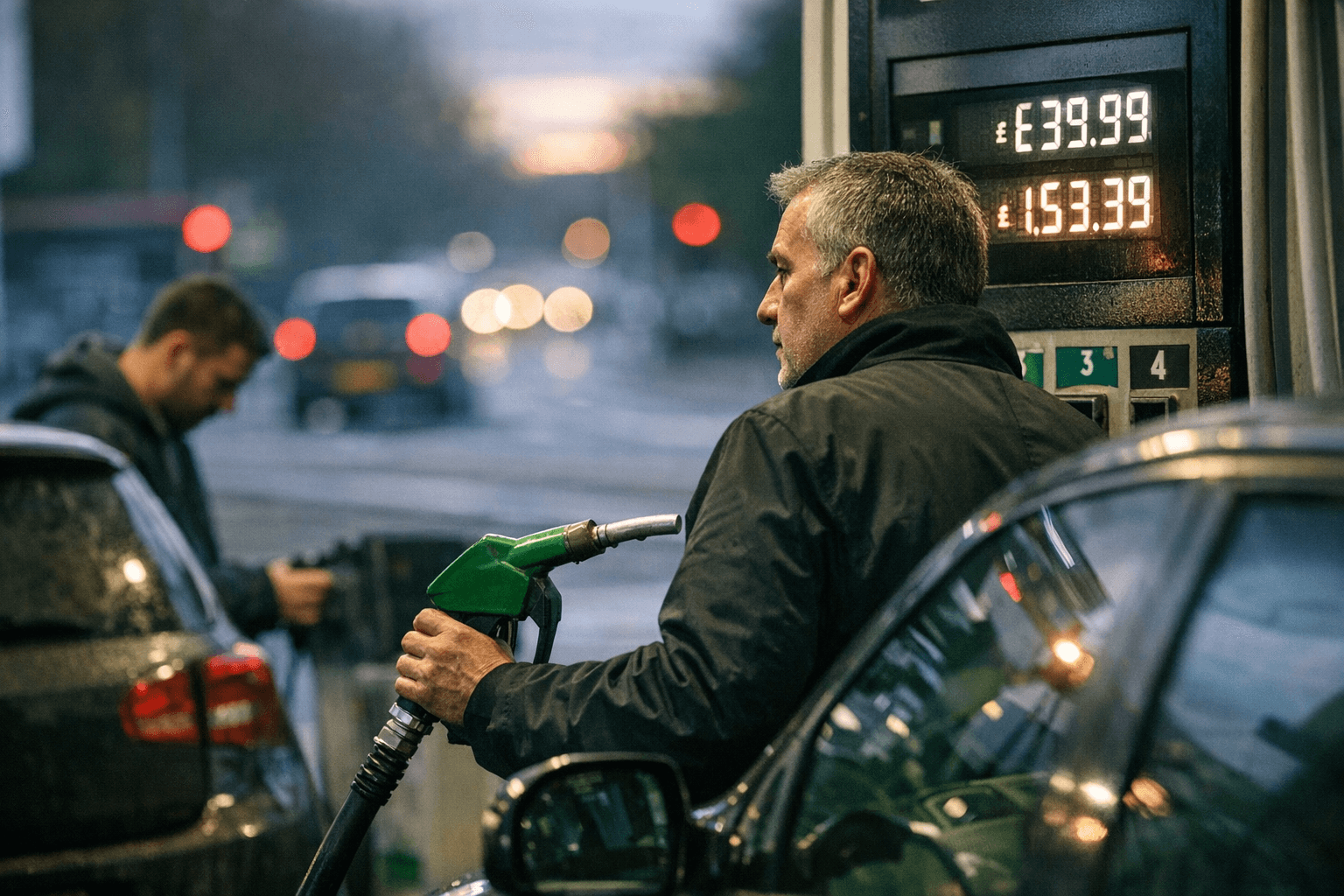
Filling a family car has never cost more relative to where prices stood just a month ago. A 55-litre petrol tank now sets drivers back £84, while diesel owners are paying £100.52 at the pumps, a level not seen since December 2022. Those figures represent an £11 and £22 increase respectively since the conflict in Iran began on February 28, making March the most expensive single month on record for fuel rises in Britain.
RAC Fuel Watch data confirmed that a litre of unleaded climbed 20p during March, from 132.83p on the first of the month to 152.83p by month's end. Diesel's ascent was even steeper, rising 40p from 142.38p to 182.77p. Both movements shatter previous records. The biggest prior monthly jump for petrol was 16.6p, recorded in June 2022 in the wake of Russia's invasion of Ukraine. Diesel's previous high-water mark was a 22p rise in March 2022. Last month's diesel surge nearly doubled that figure.
Simon Williams, the RAC's head of policy, said the scale of the increases had no modern parallel: "March has been truly unprecedented. Fuel prices have never risen this fast in a single month. The increases drivers have had to endure in March 2026 far exceed those seen in the early days of the war in Ukraine. While the monthly rise in a litre of petrol is bad enough, the jump in the cost of diesel is even harder to swallow at 40p a litre."
The root cause is the disruption to oil flows through the Strait of Hormuz since early March, which sent Brent crude surging from roughly $70 a barrel before the conflict to briefly approaching $120. It has since settled at around $107. With crude accounting for a significant proportion of pump prices, the move fed directly through to forecourts. Fuel duty of 52.95p per litre on both petrol and diesel, on which VAT is then charged, amplifies any underlying crude movement at the pump. That duty rate is scheduled to rise by a further 1p per litre from September 2026.
RAC Foundation director Steve Gooding pointed to the wider economic damage: "Whether you are running a household or a company, fuel prices make up a significant part of the budget. Even those who don't drive will be impacted by higher transport costs as firms pass on their additional costs to their customers. All of which is adding to the cost-of-living crisis."
Long-term RAC research shows eight in ten people are dependent on their vehicles, limiting the ability of most drivers to simply absorb the extra cost or change behaviour. Gooding warned that even a rapid end to the conflict would not immediately relieve pressure at the pumps, given the lag between crude oil price movements and retail price changes.
Despite the record monthly rises, prices have not yet reached the extremes of summer 2022, when petrol peaked at an average of 191.5p per litre on July 3 and diesel touched 199p. Williams said that if oil stabilises around $100 a barrel, prices should start to level off, though wholesale data at end of March pointed to petrol edging towards 152p and diesel potentially reaching 185p or higher before any sustained relief arrives.
This article was produced by Prism’s automated news system from verified source data, official records, and press releases, then run through automated quality and moderation checks before publishing. The system is built and supervised by the people who set the standards it runs under. Read our full AI policy.
Did this article answer your question?

