Fuel price hike triggers transport strike, paralyzes Comoros capital for second day
A sharp fuel-price hike shut down buses, emptied classrooms and closed shops in Moroni, exposing how fast transport can unravel in Comoros.
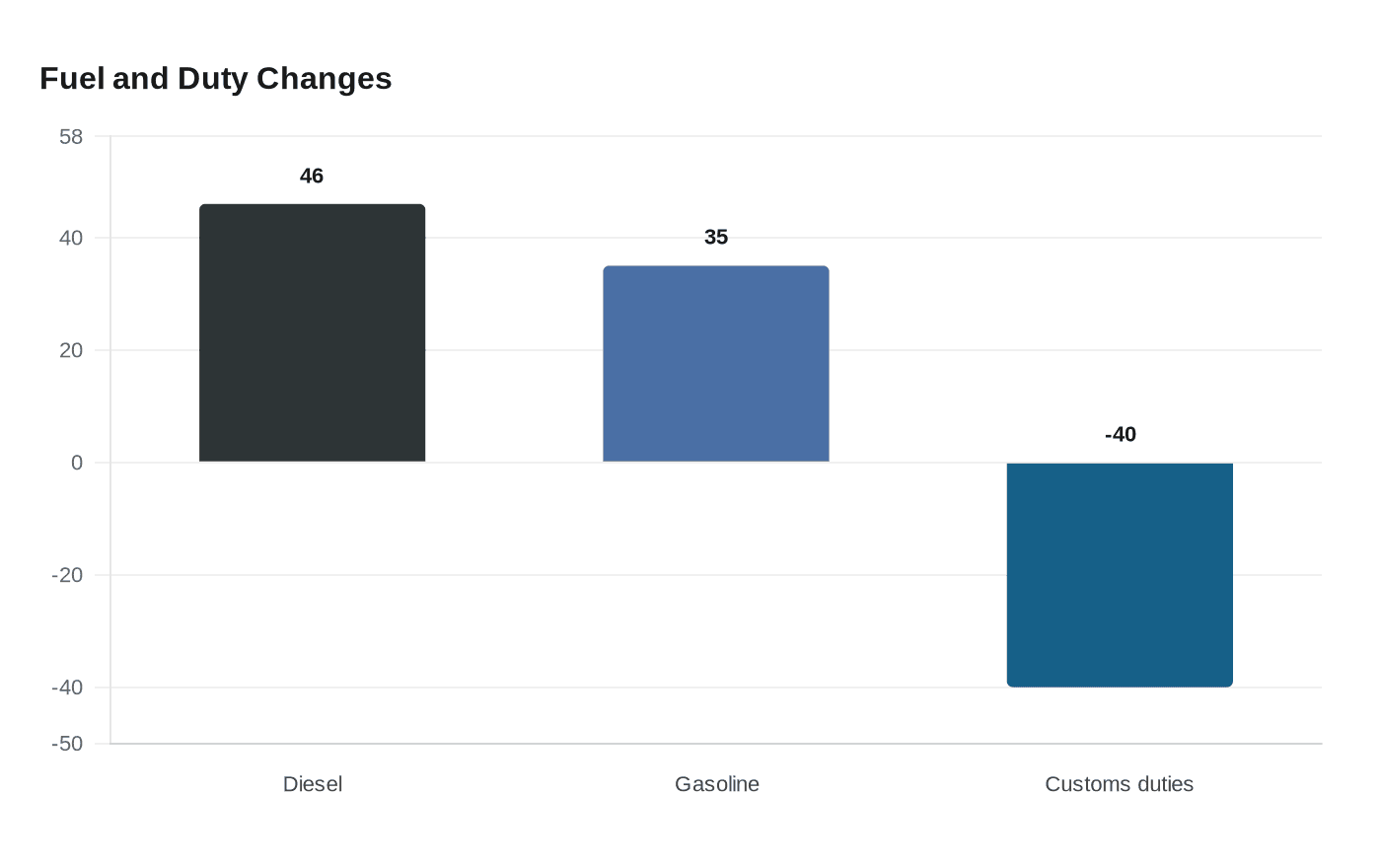
A 46% jump in diesel prices and a 35% rise in gasoline prices stalled transport in Moroni and its outskirts for a second day on Tuesday, turning a policy decision into an immediate disruption of work, school and basic commerce in Comoros’ capital.
The strike began after the government issued a decree on Saturday, May 9, through Energy Minister Aboubacar Said Anli, citing the Middle East conflict as the reason for the higher fuel costs. In a country spread across Indian Ocean islands and heavily dependent on public transport, the increase hit commuters and drivers at once, leaving the capital’s roads quieter and daily routines upended.
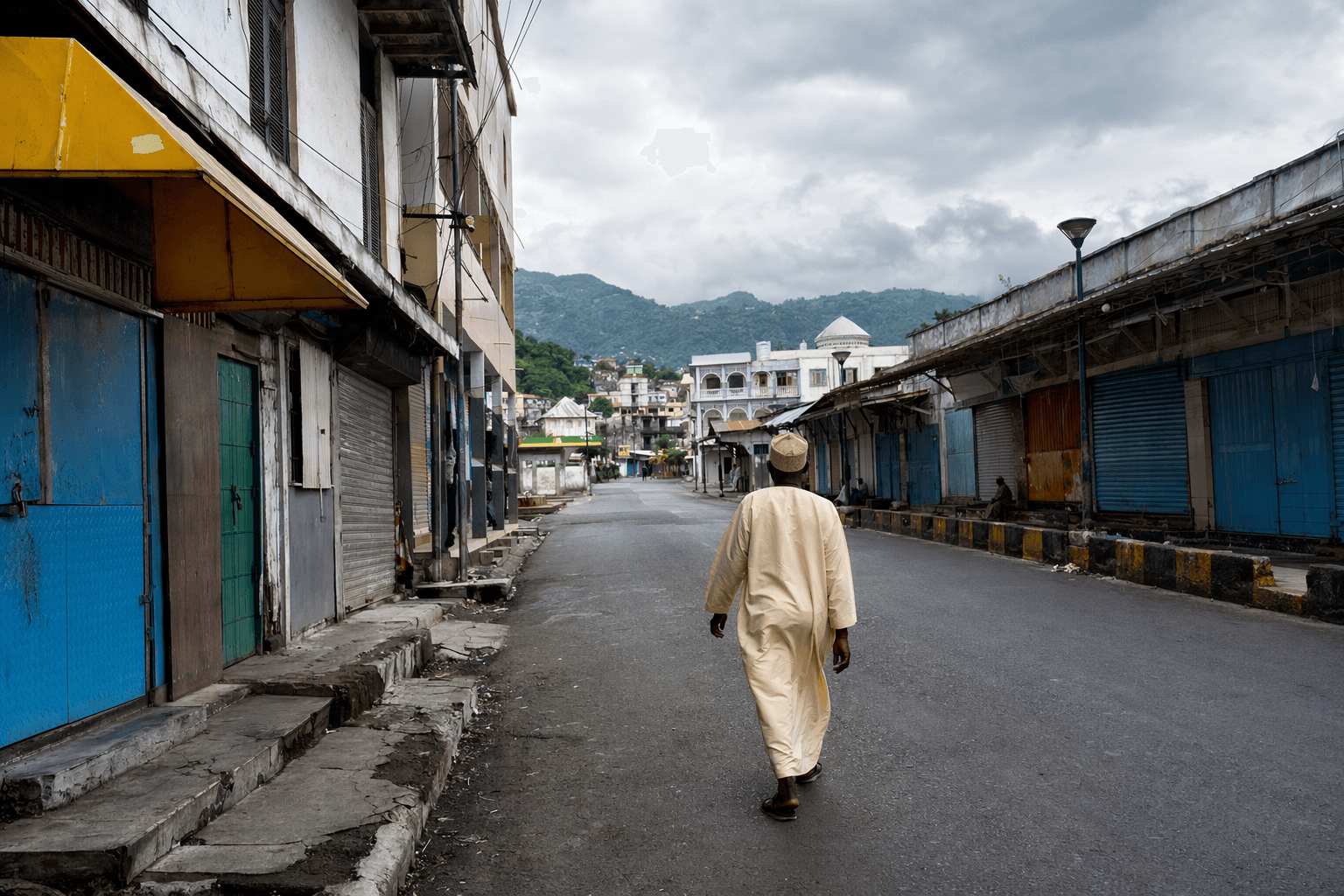
The disruption spread quickly beyond transport. Schools, shops and public services in Moroni and nearby areas were affected, and some traders closed in support of the strike. At the largest high school in Moroni, head supervisor Toihiri Moindjié said, “The students come, but the classrooms are empty from 9 a.m. onwards,” a sign of how quickly the fuel shock reached education.
Abdou Boina, president of the Comorian traders’ union, said shopkeepers would join the action because there was little point opening if transport services had stopped. He urged the government to review the new prices, reflecting the pressure on small businesses that depend on buses and shared transport to bring in goods, workers and customers.
The labor dispute also escalated after union officials said seven members were arrested following summonses from the national gendarmerie. Elarif Djoumoi, secretary general of one regional branch of the national transport union, said, “We were taken to the gendarmerie, myself and two other leaders, including the union president.” The reasons for the detentions were not immediately clear. The government communications department did not immediately respond to questions.
As the strike dragged into its second day, the government also announced cuts to official travel and a 40% reduction in customs duties in an effort to limit increases in basic goods prices. The measures showed how quickly a fuel-price decision can spread beyond the pump in a small, import-dependent economy, where transport is the link between wages, schools and markets. In Moroni, that link was already under strain.
This article was produced by Prism’s automated news system from verified source data, official records, and press releases, then run through automated quality and moderation checks before publishing. The system is built and supervised by the people who set the standards it runs under. Read our full AI policy.
Did this article answer your question?