Fujifilm’s Instax Wide 400 taps nostalgia, expands instant film’s reach
Fujifilm’s new Instax Wide 400 leans into big-group snapshots and slower, shared image-making. The wider format arrives as Instax sales topped 100 million units worldwide.

In a culture saturated with screens, filters and AI-made images, Fujifilm is betting that people still want something they can hold. The Instax Wide 400 keeps instant photography’s appeal rooted in tactility and scarcity, with a larger print that makes room for group shots, landscapes and the background details that smartphone crops often erase.
Fujifilm announced the camera on June 17, 2024, and said it would go on sale in Japan on July 19, 2024. The Wide 400 succeeded the Instax Wide 300, which launched in 2014, and continued a line Fujifilm said is still the only wide-format instant camera series on the market. It uses Instax Wide film sized 3.4 by 4.25 inches, a format designed to capture more of a scene than smaller instant prints.

The camera’s additions are modest but purposeful. Fujifilm equipped it with a lever-operated self-timer that runs in two-second increments up to 10 seconds, automatic exposure, automatic flash control, two focus modes and a camera-angle adjustment accessory. The company also introduced a matching case, reinforcing the way Instax has been sold not just as hardware, but as part of a social ritual built around sharing prints at parties, school events and family gatherings.
That ritual has proven durable enough to become a global business. Fujifilm said in April 2025 that cumulative Instax unit sales had surpassed 100 million, more than a quarter-century after the first-generation camera debuted in 1998. The company said Instax generated around 150 billion yen in sales for the fiscal year through March 2024, with more than 90% of revenue coming from overseas markets. The numbers suggest that instant film is not surviving as a novelty on the margins, but as a steady consumer category with international demand.
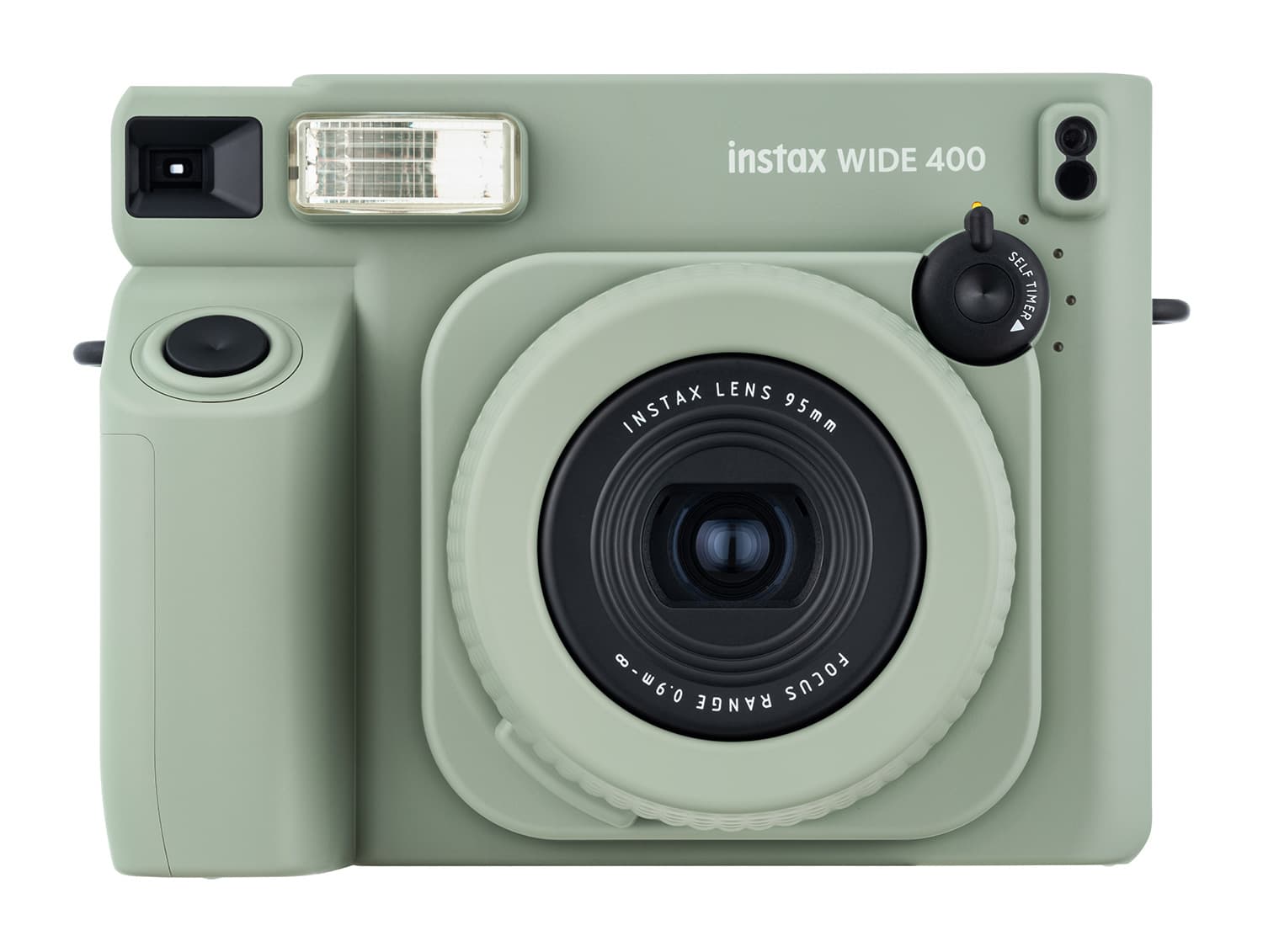
The Wide 400 also fits into a broader Instax ecosystem that now stretches from analog cameras to hybrid models, smartphone printers and palm-sized digital cameras. That expansion points to Fujifilm’s larger strategy: preserving the unpredictable charm of film while making it easier to fit into modern routines. In an era of infinite digital copies, the appeal of one print at a time still has economic and cultural force.
This article was produced by Prism’s automated news system from verified source data, official records, and press releases, then run through automated quality and moderation checks before publishing. The system is built and supervised by the people who set the standards it runs under. Read our full AI policy.
Did this article answer your question?