AI Note Takers Raise Privilege Risks in Legal Meetings
AI meeting bots can save time, but they can also turn confidential legal discussions into records that may be discoverable, shared, or misused.

Hidden risk behind the convenience
AI note takers have turned a routine office habit into a legal minefield. The same tools that capture jokes, action items, and offhand remarks can also record privileged strategy talks, client admissions, and settlement discussions, creating a permanent record where lawyers once relied on memory and controlled notes.
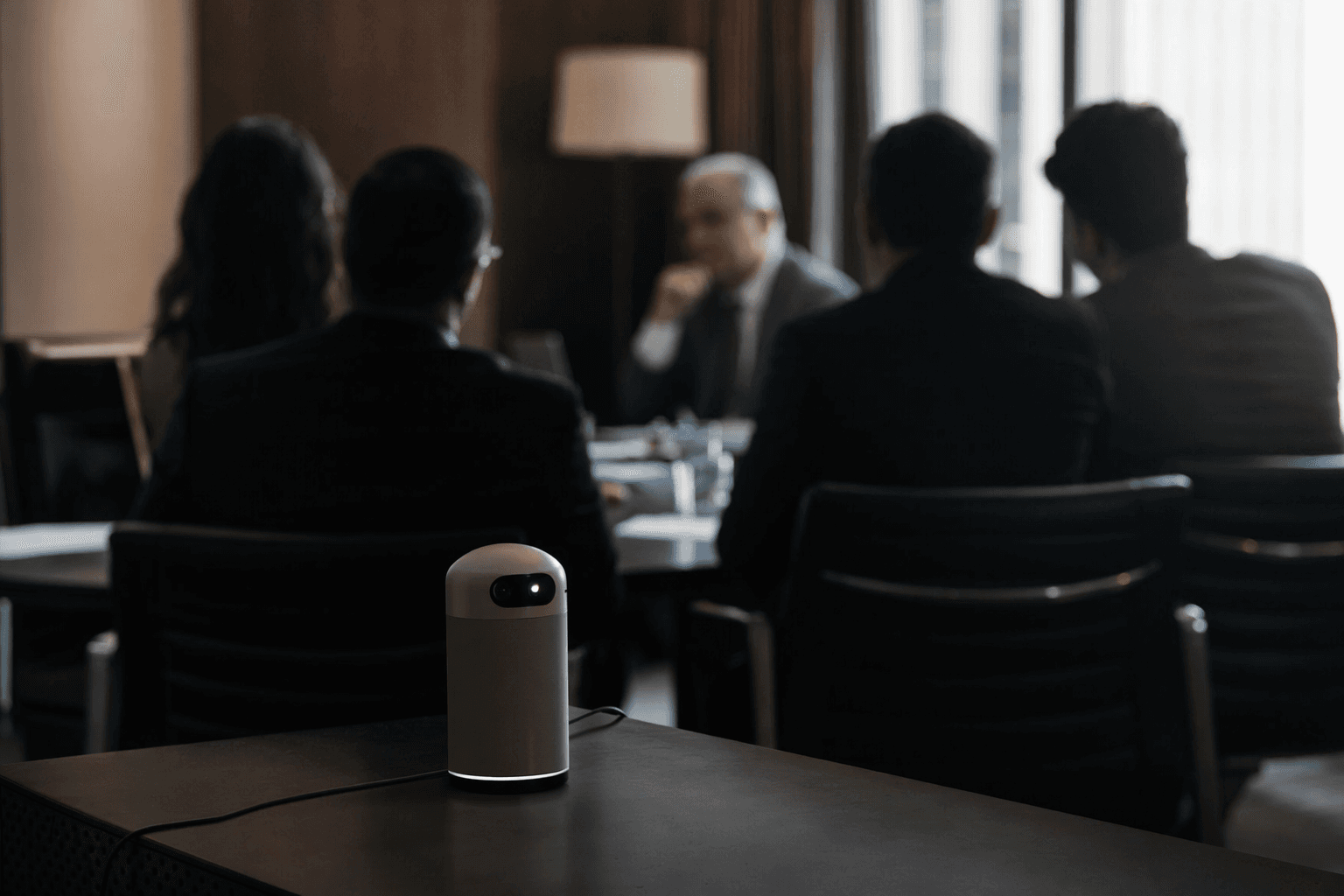
That shift matters because the problem is no longer just productivity. In legal meetings, an automated transcript can become evidence, a vendor can become a confidentiality risk, and a default setting can become a compliance failure. Courts and bar regulators are increasingly treating AI as an ethics and privilege issue, not merely a convenience feature.
Why the ABA opinion changed the conversation
The American Bar Association’s Standing Committee on Ethics and Professional Responsibility made that shift explicit in Formal Opinion 512, released on July 29, 2024. It was the ABA’s first formal opinion addressing generative artificial intelligence in legal practice, and it tied AI use to existing professional obligations rather than treating it as a separate category.
The opinion said the core Model Rules on competency, informed consent, confidentiality, and fees still apply when lawyers use generative AI tools. That framing is important because it moves the question away from whether AI is allowed and toward how it is used, who can see the data, and what disclosures are required before a lawyer relies on it.
The New York City Bar added another layer
In 2025, the New York City Bar Association issued Formal Opinion 2025-6 on AI tools used to record, transcribe, and summarize conversations with clients. The opinion says attorneys are free to choose not to use AI for client conversations, but if they do, important ethical obligations follow.
One of the sharpest warnings in that opinion is practical: if a lawyer knows a client is recording a call with an AI tool, the lawyer should advise the client of the disadvantages. That guidance reflects a broader concern that clients may not understand how a note taker changes the legal status of what they are saying, or how widely that information may later circulate.
Where privilege can break down
The biggest exposure comes when AI transcription tools move sensitive material beyond the room, or beyond the firm. Recent legal analysis warns that these tools can expose privileged communications to third-party vendors depending on the service’s terms and privacy policy. If the vendor can access, retain, or reuse the data, the lawyer’s confidentiality assumptions may not hold.
A separate risk appears inside videoconferencing software itself. Legal commentary warns that AI transcription features may be enabled by default, which means a meeting can be recorded or summarized without a deliberate decision to turn the tool on. That is especially dangerous in legal settings, where one unnoticed feature can convert a privileged conversation into a stored transcript.
Duane Morris LLP has also warned that AI transcription tools that join meetings or record conversations without the affirmative consent of all participants may expose law firms, employers, and individuals to violations of federal and state law. In other words, the issue is not only whether a transcript exists, but whether everyone in the meeting agreed to create it.
The four risk areas legal teams keep running into
Across the profession, the same four concerns keep resurfacing: consent, security, confidentiality and privilege, and client file retention. Those risks overlap, but they are not identical, and a policy that addresses one may leave the others untouched.
- Consent is the threshold question. If an AI tool records or transcribes a meeting, everyone involved needs to understand that it is happening and agree to it when the law requires that agreement.
- Security is the infrastructure question. A vendor’s privacy policy, data retention settings, and access controls can determine whether notes stay internal or become accessible elsewhere.
- Confidentiality and privilege are the legal questions. A meeting transcript can contain strategic advice, admissions, and settlement discussions that were never meant to leave the attorney-client relationship.
- Client file retention is the records question. Once a transcript exists, firms must decide whether it is part of the file, how long it is kept, who can edit it, and when it must be deleted.
Why this goes beyond law firms
The debate now extends well past law firms. Clients, opposing counsel, experts, and anyone else participating in sensitive meetings can create the same risks if they rely on AI note takers. A client who records a strategy call may create complications for privilege. An expert who uses a transcription tool may generate a version of the discussion that can be requested later. Even opposing counsel may find that a casual use of AI changes the evidentiary landscape of a routine conference.
That is why the American Bar Association’s guidance and the New York City Bar’s opinion both frame AI transcription as a competence and confidentiality issue. The convenience may feel minor, but the legal consequences can be major.
What careful meeting rules now look like
The Boston Bar Association has described AI notetakers and videoconference transcribers as increasingly common and accurate tools for lawyers, but it also stresses that lawyers must first ensure compliance with cybersecurity, privacy, ethics, and other requirements. That is the real pivot: the tool is no longer the story, the policy around the tool is.
Firms that want to use these systems are rewriting meeting rules in practical ways. They are checking whether transcription is on by default, reviewing whether vendors can access content, setting consent procedures before meetings begin, and deciding which conversations are never appropriate for automated capture. They are also reconsidering what should live in the client file, because a transcript is not just a note, it is a record that may later be sought, scrutinized, or challenged.
The broader lesson is straightforward. AI note takers are not just changing how meetings are documented, they are changing what counts as a protected conversation. In legal practice, that shift forces a harder discipline: use the convenience only after the privilege risk, consent burden, and retention consequences have been mapped in advance.
This article was produced by Prism’s automated news system from verified source data, official records, and press releases, then run through automated quality and moderation checks before publishing. The system is built and supervised by the people who set the standards it runs under. Read our full AI policy.
Did this article answer your question?