At Display Week, Nanosys pits super quantum dots against RGB mini-LED TVs
Nanosys put a super quantum-dot TV next to an RGB mini-LED set in Los Angeles, turning Display Week into a contest over which claims matter in a real living room.
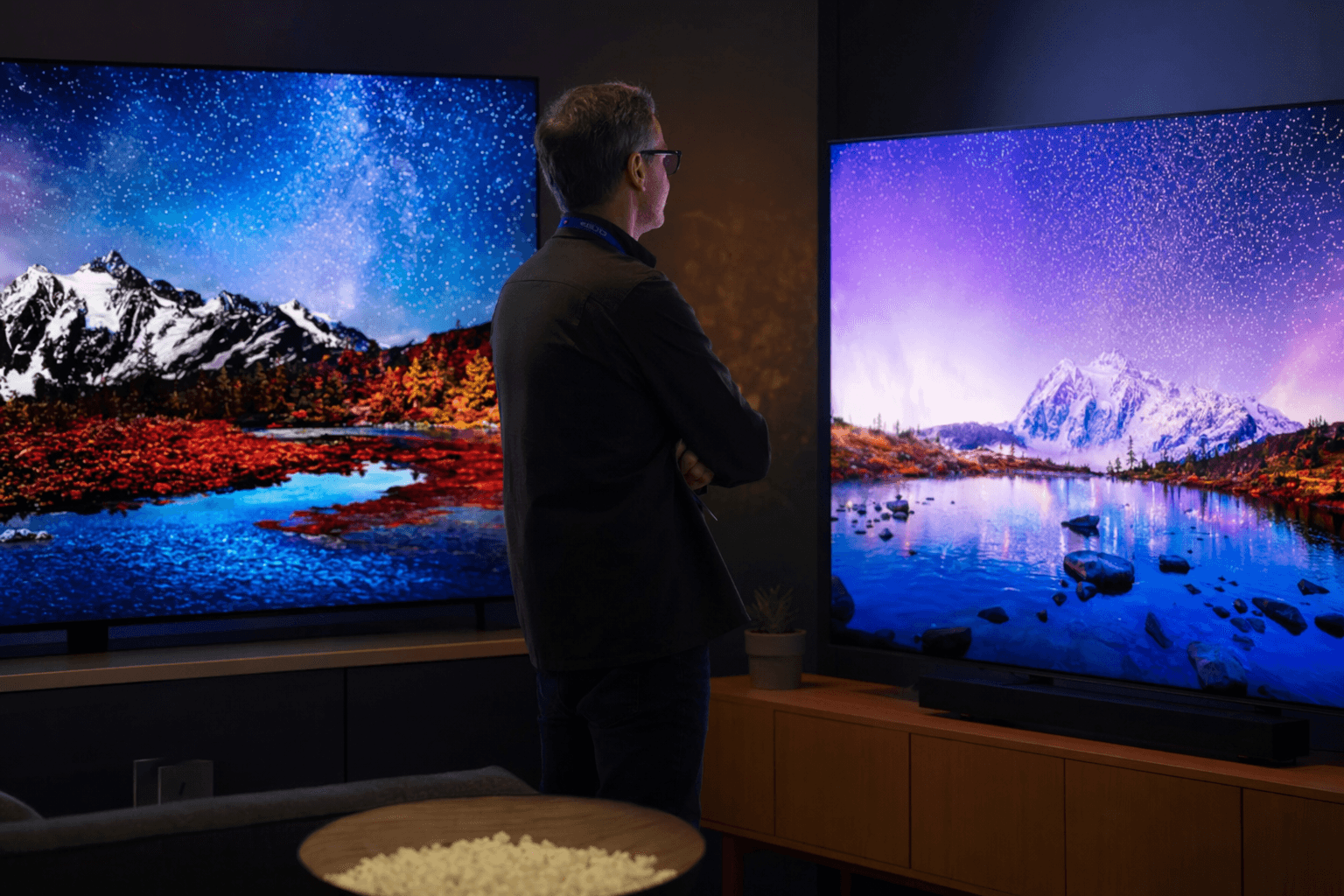
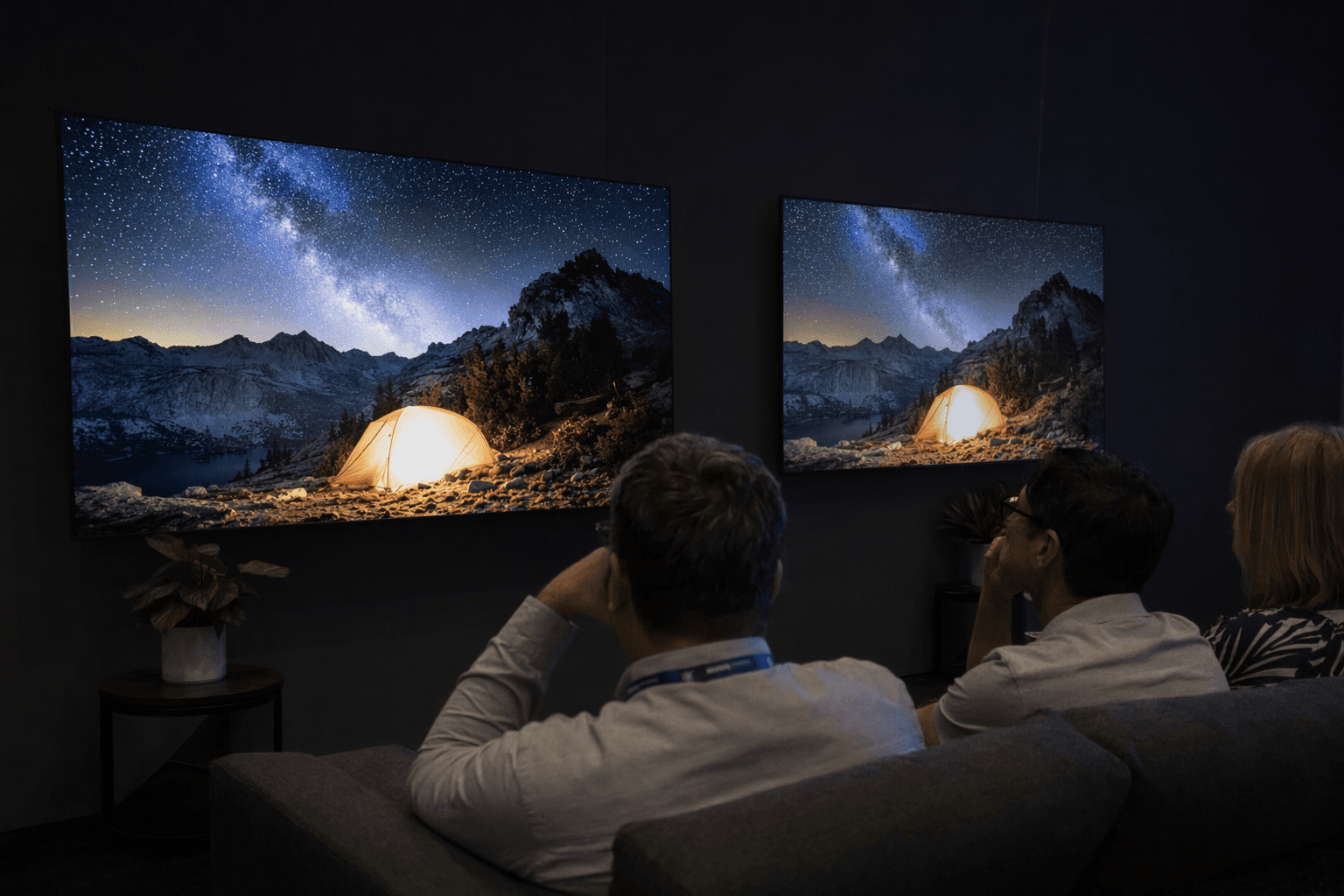
At the Los Angeles Convention Center, Nanosys turned a side-by-side TV demo into a credibility test. Two 85-inch sets sat in its meeting room at Display Week 2026: one using mini-LED with super quantum dots, the other an RGB LED set, the technology the company described as this year’s hottest TV trend. The sharper question for buyers was not which screen looked louder under convention lights, but whether any of the promised gains in brightness, color, or efficiency would survive an actual living room.
Display Week ran May 3 through May 8 in Los Angeles, with exhibits held May 5 through May 7. Nanosys used the show to make a broader pitch around quantum dots, pointing to a dedicated QD symposium track, a BT.2020 color panel, eye-health sessions, and a mini-LED backlight session on Friday. The company has said the display industry’s quantum-dot ecosystem is now large enough to justify a major presence at the show, and it has also been working to sharpen definitions around what qualifies as a true quantum-dot display.
That effort now runs alongside a commercial race. TCL has publicly described its 2026 X11L flagship as using Super Quantum Dot Mini-LED technology rather than RGB mini-LED. The company says the largest 98-inch model reaches 20,736 local dimming zones and up to 10,000 nits of peak brightness, claims meant to position its set as more than a showroom stunt. TCL has also said its enhanced Super Quantum Dot approach can deliver crisper, more accurately separated color, more brightness, and more localized backlight control than RGB mini-LED.
But independent measurement remains the buyer’s real checkpoint. RTINGS has said RGB mini-LED is the focus of 2026 TV lineups and that many manufacturers are leaning on carefully chosen demo content to make the technology look especially strong in controlled settings. That warning matters because the industry is fighting over terms as much as hardware. Nanosys and TÜV Rheinland have introduced a white paper aimed at defining and verifying quantum-dot claims, a signal that the marketing language around display tech has become valuable enough to require outside policing.
The corporate backdrop is equally important. Shoei Chemical completed its acquisition of Nanosys’ quantum-dot business in September 2023, yet Nanosys has continued under its own brand and used Display Week to defend the relevance of quantum dots in a market now crowded with RGB mini-LED promises. For shoppers, the issue is simple: the winning display is not the one that dazzles on the convention floor, but the one whose numbers still matter when the lights go on at home.
This article was produced by Prism’s automated news system from verified source data, official records, and press releases, then run through automated quality and moderation checks before publishing. The system is built and supervised by the people who set the standards it runs under. Read our full AI policy.
Did this article answer your question?