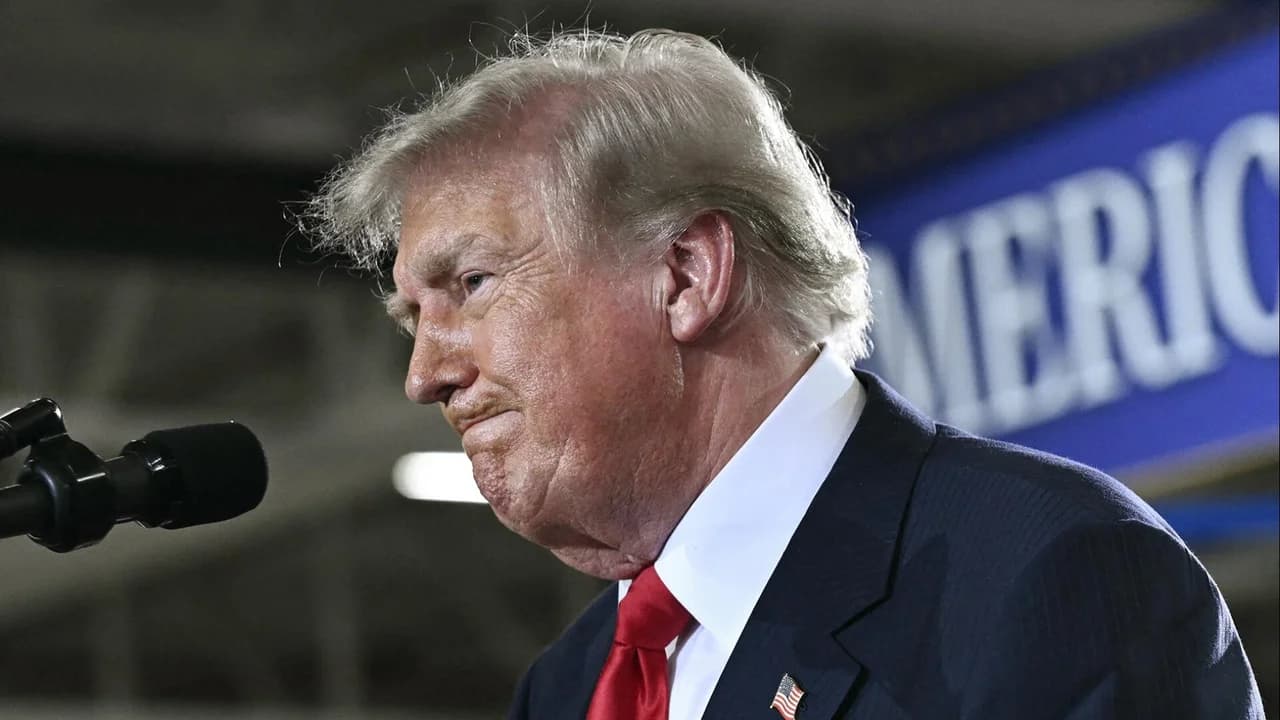
Fujimori allies win Peru Senate presidency before inauguration
Keiko Fujimori’s bloc won Peru’s Senate presidency with 30 of 60 votes, giving it leverage over the incoming government before her inauguration.
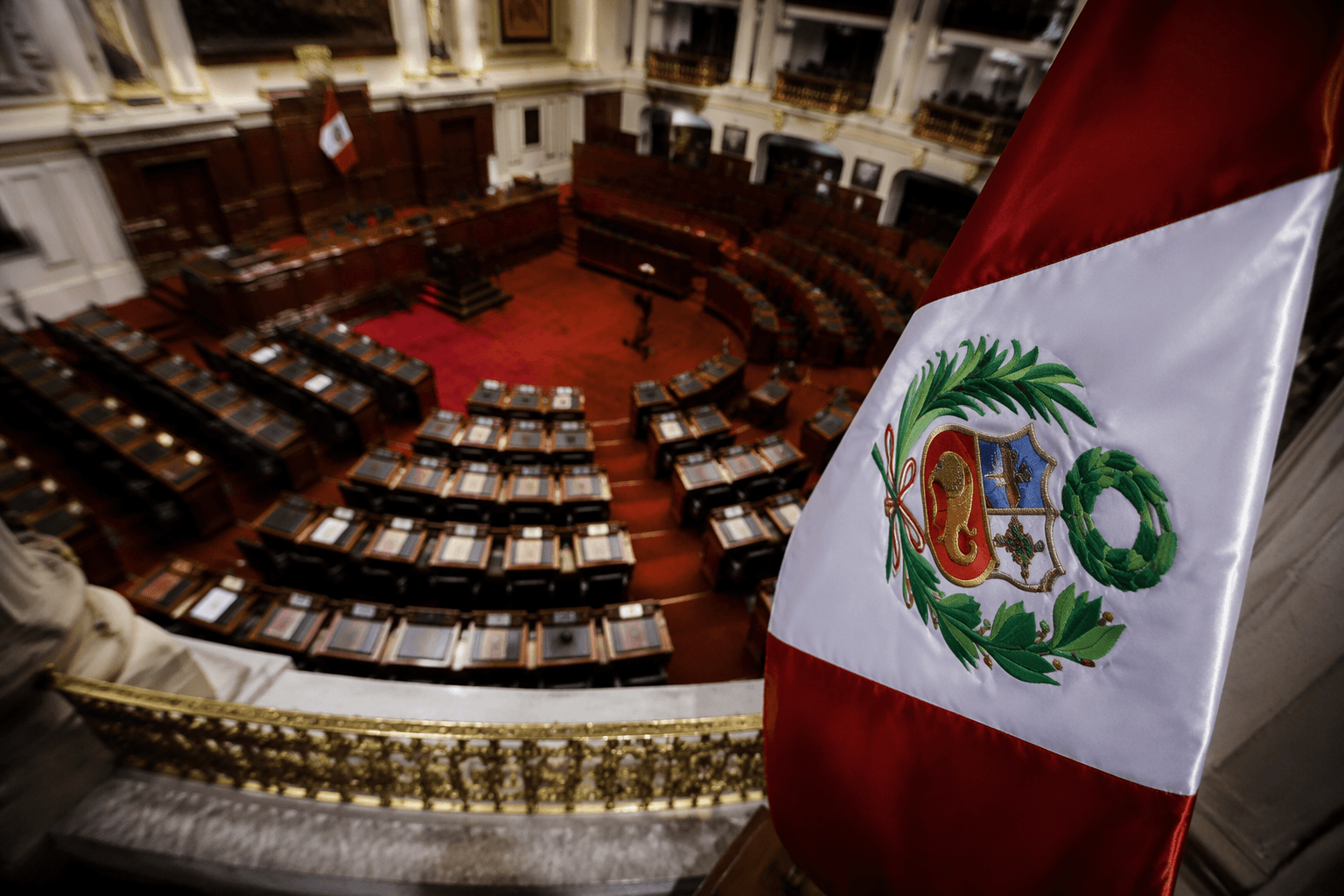
Keiko Fujimori’s allies captured Peru’s Senate presidency, giving Popular Force a new lever inside Congress just as the next administration prepares to take office. Miguel Torres won the chamber’s top post for the 2026-2027 legislative term with 30 of 60 votes at the Congress of the Republic of Peru in Lima, a narrow margin that places Fujimori’s camp at the center of the new bicameral system.
The timing matters because the Senate is being installed after years in which Peru’s politics were defined by short-lived governments and constant confrontation between the executive branch and Congress. The country has cycled through ten presidents in just over a decade, and the return of a second chamber makes control of its leadership more than a ceremonial prize. With the Senate presidency, Fujimori’s allies can help shape committee assignments, decide which measures move first and influence the pace of reforms before the presidential inauguration even takes place.
The alliance behind Torres also sharpened the political map. Popular Force secured the Senate presidency with help from another conservative party, Popular Renewal, which gave the bloc the votes it needed to take the chamber’s top posts. That gives the incoming government a clear message: legislative negotiations will run through a disciplined conservative caucus with enough cohesion to make or break key priorities on economic policy, anti-corruption measures, public security and the handling of protests.
Fujimori’s return to the center of power is especially striking because her movement has endured corruption allegations, internal splits and deep public frustration with Peru’s political class. In the April 13 general election, Peru chose a president, two vice presidents, 130 deputies, 60 senators and Andean Parliament representatives; Fujimori led with 16.96 percent of the vote when 54.32 percent of ballots had been counted at that stage, before going on to defeat Roberto Sánchez in the June 7 runoff. She became the first woman elected by popular vote to lead Peru.
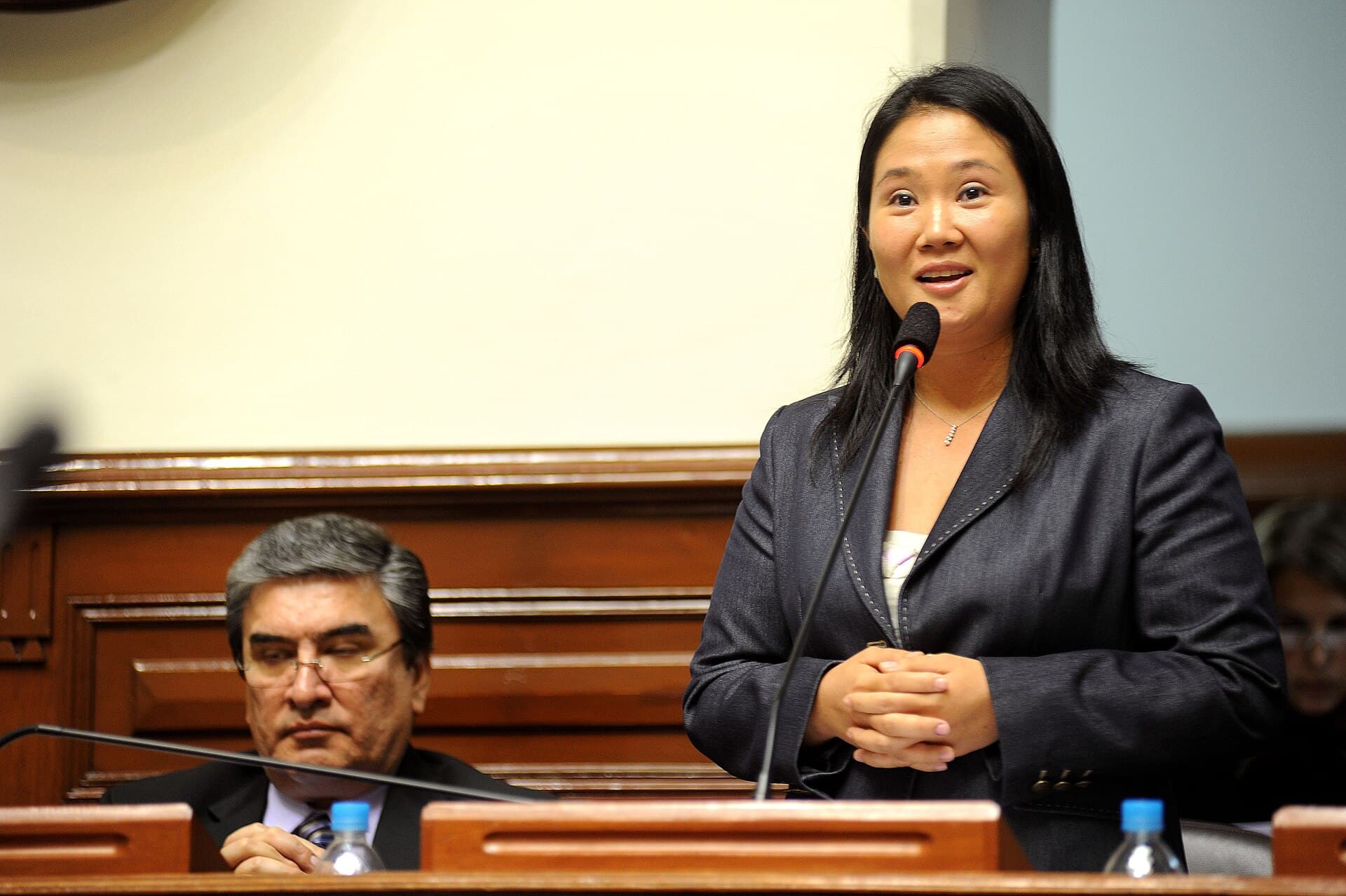
For Washington and other outside observers, the key question is not only who holds the presidency, but whether Fujimori’s bloc uses its new institutional foothold to build governability or to raise the cost of governing. The Senate presidency gives Popular Force a practical role in the legislature’s daily machinery, and Peru’s next political phase will be shaped by how that power is used.
This article was produced by Prism’s automated news system from verified source data, official records, and press releases, then run through automated quality and moderation checks before publishing. The system is built and supervised by the people who set the standards it runs under. Read our full AI policy.
Did this article answer your question?