Fujitsu, Japanese robotics firms plan Nvidia-powered physical AI push
Fujitsu, Fanuc, Yaskawa Electric and Kawasaki Heavy Industries moved to tie Nvidia into physical AI, betting on robots that can work in messy real-world settings.
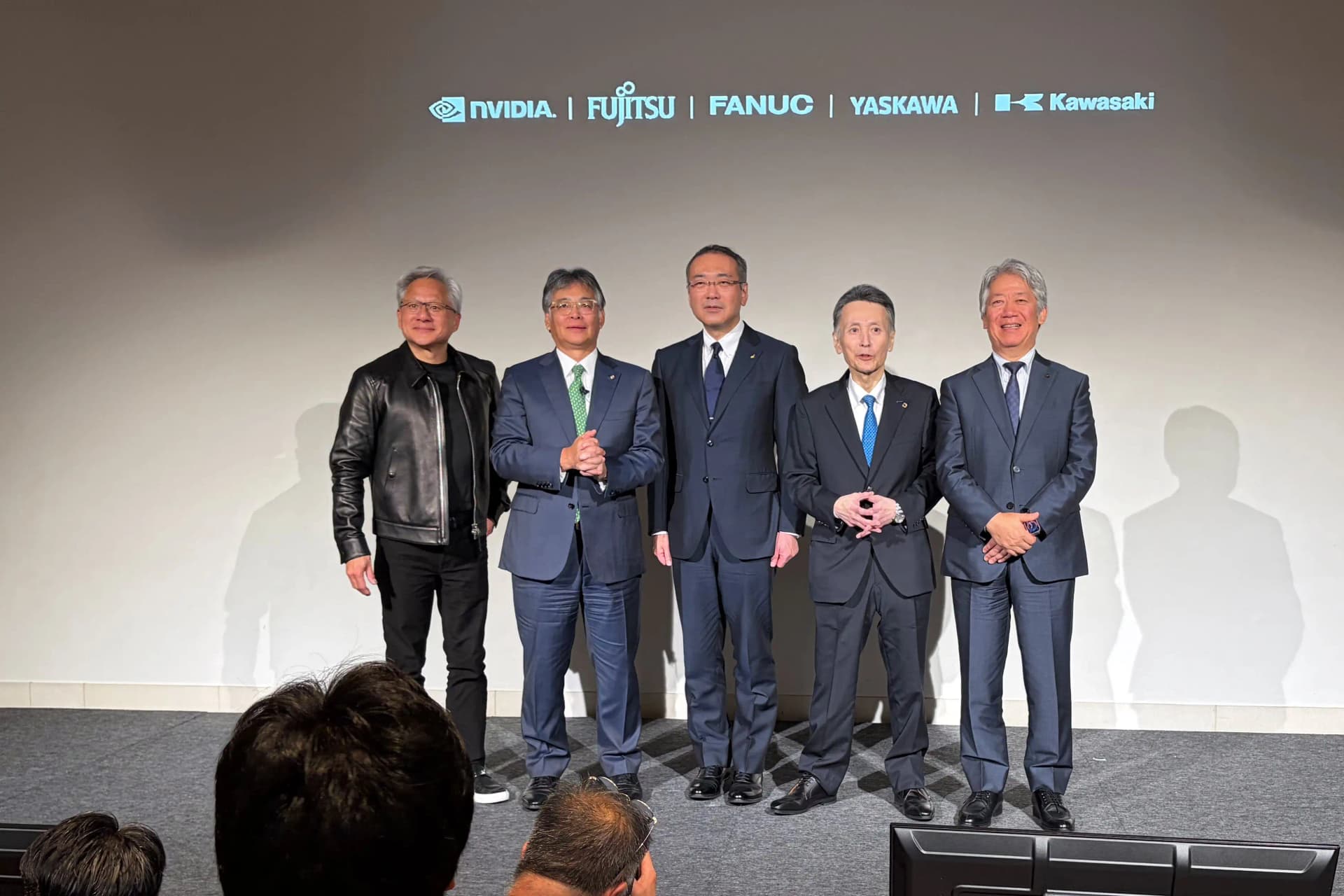
Fujitsu joined Nvidia and three of Japan’s biggest robotics and industrial companies in Tokyo on July 16 to push into physical AI, the next phase of the AI race moving from software into machines. Jensen Huang stood alongside Fujitsu chief executive Takahito Tokita, with Fanuc’s Kenji Yamaguchi, Yaskawa Electric’s Masahiro Ogawa and Kawasaki Heavy Industries’ Yasuhiko Hashimoto also part of the announcement.
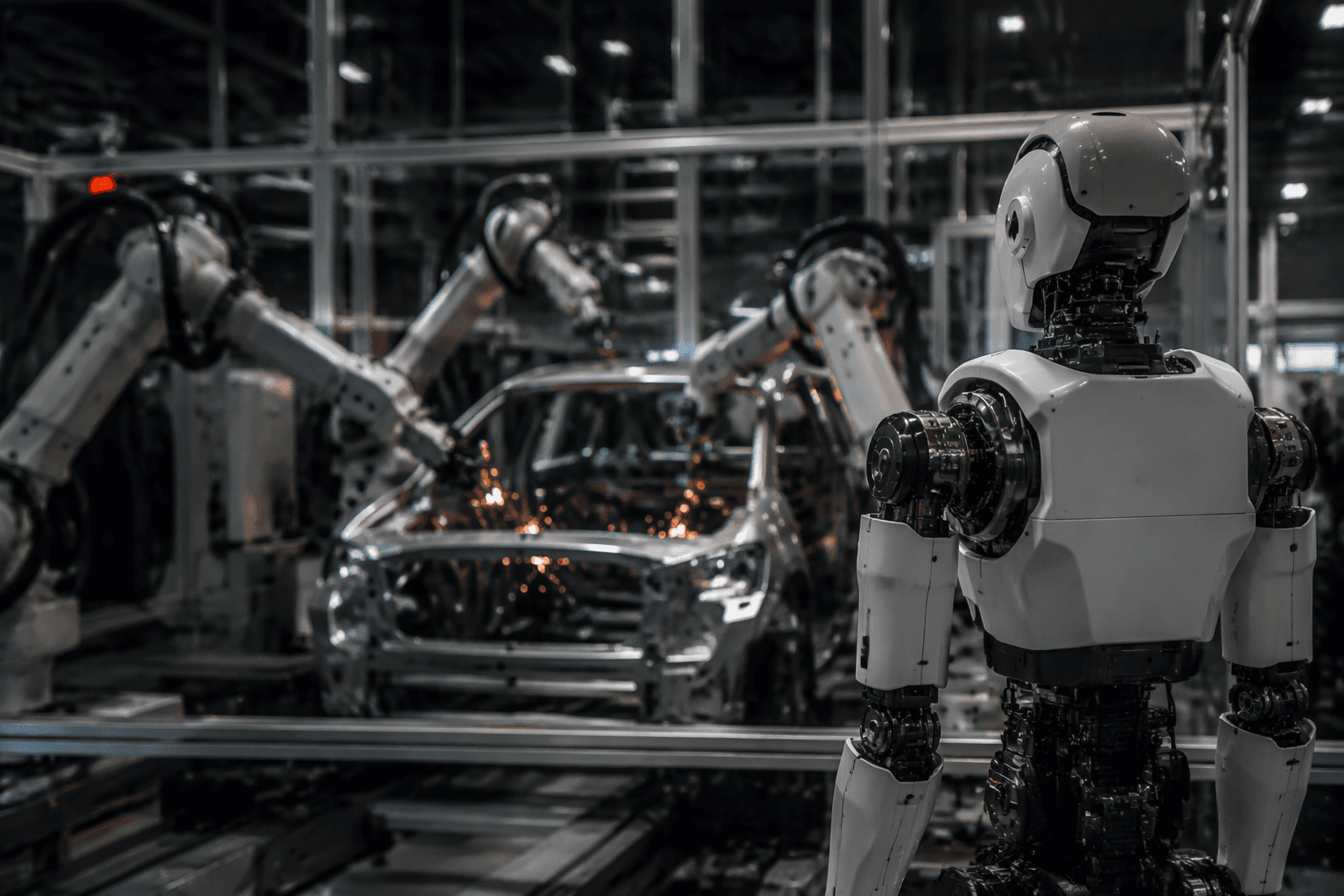
The companies are using the term physical AI for systems that do more than generate text or answer prompts. The goal is robots and machines that can perceive their surroundings, make decisions and act safely in real-world environments, whether on a factory line, in a warehouse, on an inspection route or in other industrial settings where conditions change quickly and mistakes can be costly. Fujitsu posted an on-demand video of the media briefing the same day, and said the effort covers physical AI development and implementation across industries.
The timing reflects pressure inside Japan’s economy. Reuters said the collaboration is aimed at strengthening Japan’s industrial competitiveness, while Morningstar noted that Japanese industrial sectors, especially manufacturing, have faced growing challenges as the country’s birthrate falls and its population ages. That demographic squeeze has made automation more urgent, particularly for manufacturers trying to maintain output with fewer workers available.
The move also shows how central Nvidia has become to the AI build-out beyond chatbots and office software. Fujitsu and Nvidia had already expanded their strategic collaboration on October 3, 2025, to deliver full-stack AI infrastructure, and the latest push builds on that foundation rather than starting from scratch. For Japanese manufacturers, the attraction is clear: Nvidia brings the chips, software and AI systems that can underpin robots meant to learn and adapt in physical spaces.
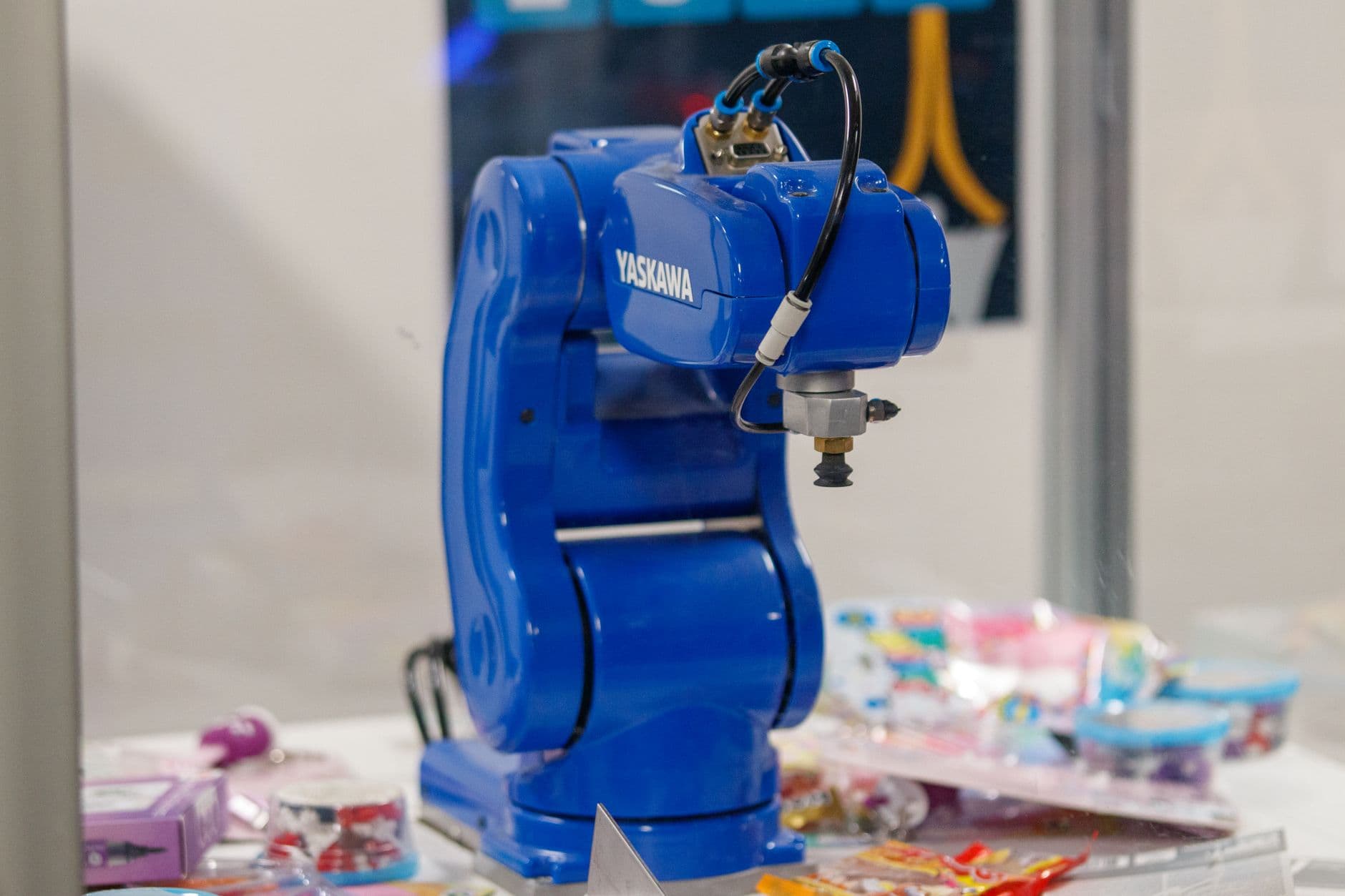
For the United States, the deal is another sign that the AI contest is moving into industrial hardware and labor markets as much as it is into cloud software. If Nvidia becomes the infrastructure layer for global robotics, U.S. industry will be competing not just on how many machines it installs, but on who controls the computing stack inside them.
This article was produced by Prism’s automated news system from verified source data, official records, and press releases, then run through automated quality and moderation checks before publishing. The system is built and supervised by the people who set the standards it runs under. Read our full AI policy.
Did this article answer your question?